Press release: 5 Years On Emergency Becomes the Norm in the Baltic
Better appliance of science, fair fisheries and a Cod Recovery Plan for the Baltic are urgently needed, concludes well-attended event by Low Impact Fishers of Europe (LIFE)
Brussels, 26 June 2024 – An event organized in Brussels by the Low Impact Fishers of Europe (LIFE) marked 5 years since emergency measures effectively closing the cod fishery were introduced by the European Commission to save the ailing Eastern Baltic cod stock from impending collapse. The initiative brought together decision-makers, European Commission and Member States officials, politicians, scientists, sector stakeholders and representatives from small-scale fishing communities. Their shared concern was how to address the ongoing critical state of Baltic cod stocks, the lack of herring and sprat prey, increased predation from seals and cormorants, the socioeconomic impacts of the extended fishery closures, and the worsening environmental conditions in the Baltic. Despite the emergency cod closure in July 2019, there has been no sign of recovery of cod stocks, and future prospects for the fishing sector look bleak.
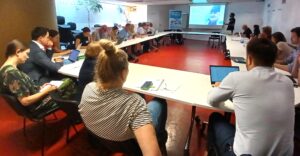
The workshop provided an in-depth overview of the Baltic cod stock status, highlighting the shortcomings of the 2016 Baltic Multiannual Management Plan (MAP). Fishers’ representatives Bengt Larsson (SYEF, Sweden) and David Lange (FSK, Denmark) shared firsthand experiences of the devastating effects on small-scale fisheries and their communities. Scientific insights were provided by Rainer Froese (GEOMAR Institute), who discussed the failures of current fisheries science and management practices, emphasising the need for revised management strategies and precautionary measures. “It came clear today that the failure of fisheries management is rooted in two main issues: first is the failure to seize on the potential of Article 17, so quotas still go to high-impact fishing and benefit the fishmeal industry; and secondly the process through which science provides management advice, by not using BMSY, leads to reduced fish populations, resulting in a dysfunctional ecosystem. Small-scale fishers, who constitute the backbone of the EU Baltic fishing fleet and workforce, deserve immediate and decisive action to remedy this situation and rescue their livelihoods from destruction,” stated Marta Cavallé, Executive Secretary of the Low Impact Fishers of Europe (LIFE).
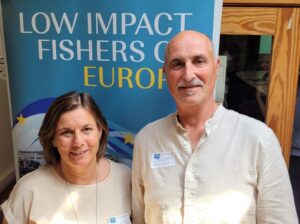
A dynamic panel discussion featured policymakers, experts and fishers including representatives from DG Mare, the European Parliament, Permanent Representations of the Region’s Member States and NGOs. They highlighted the need to ensure the effective implementation of existing management plans and for robust actions to be taken to improve the conditions of the Baltic marine environment. The socioeconomic consequences of the current management debacle are severe, particularly for small-scale fishers who comprise over 90% of the EU’s Baltic fishing fleet. LIFE urges ICES to rectify scientific advice by using BMSY and prioritising stock growth. The European Commission and Member States to support small-scale fishing communities through a revision of the Baltic MAP, including cod targeted recovery efforts, lower fishing pressure on cod prey and for Article 17 to be used to re-assign quotas in ways that encourage low impact fishing.
∗ ∗ ∗
For more information and background reading on the Baltic Emergency, please refer to the presentations of the panellists and to the analysis and proposals provided by the Low Impact Fishers of Europe.
PRESENTATIONS
Christian Tsangarides, LIFE BANS coordinator
Bengt Larsson, Sveriges Yrkesfiskares Ekonomiska Förening (Sweden)
Kurt Buchmann, University of Copenhagen
Rainer Froese, GEOMAR institute
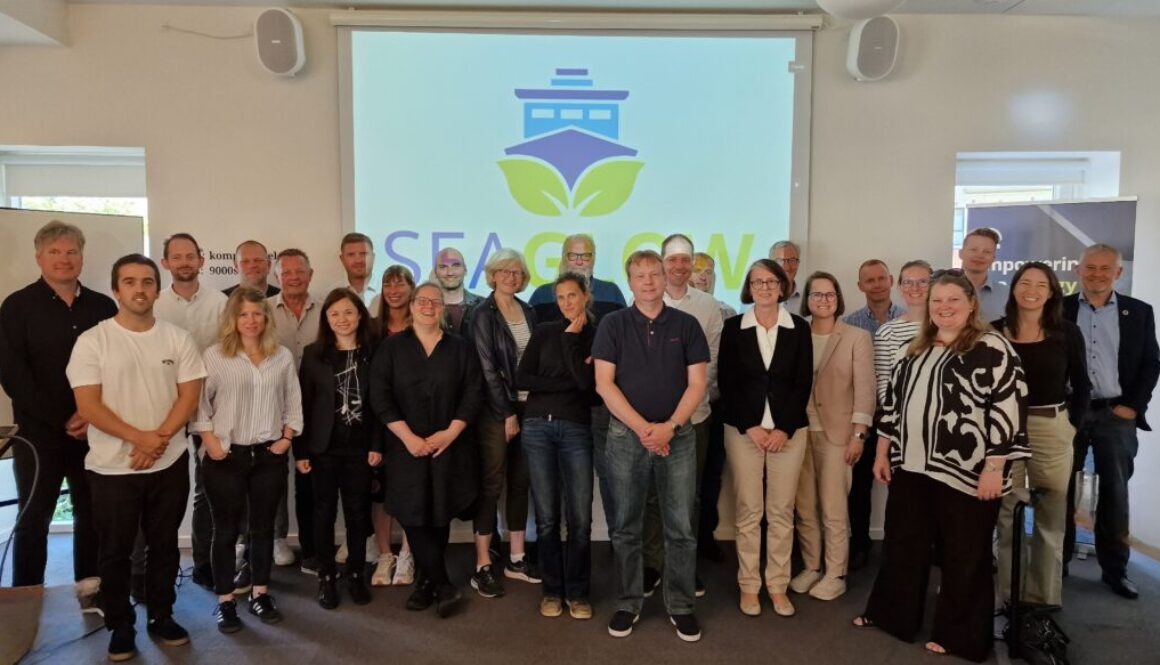
 Aalborg, 4 June 2024 – LIFE is enthusiastic to be part of a consortium of 16 partners from across the European Union, Norway and Thailand who joined in Aalborg, Denmark, to officially launch the Seaglow Project and accelerate the transition of the fishing sector towards renewable and low-carbon energy sources. The initiative, led by NorthDenmark EU-Office, aims to demonstrate that when using the right combination of technologies, small-scale fisheries can reduce their dependency on fossil fuels and positively contribute to restoring marine ecosystems and improving fishing communities’ well-being.
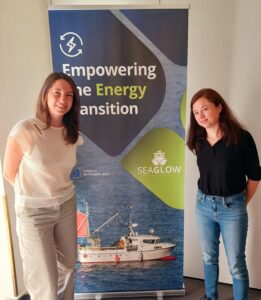 The SEAGLOW consortium will design, construct, and operate five technology pilots, including the replacement of conventional diesel engines, on four vessels in Denmark, Estonia, Norway, and Sweden. Researchers and fishers will then conduct tests in real-life conditions during operations covering at least two fishing seasons, which is rarely done due to the complexity of the task. “We are very excited to kick off this ambitious project”, – states Hanne Bregendahl Pihl, Head of Unit of NorthDenmark EU-Office – “it is a unique opportunity to test and demonstrate some of the available green transition solutions on the market and showcase the impact of these on real, active fishing boats across the Baltic and North Sea. Seaglow has received very high evaluations from the European Commission and encompasses a consortium with a high political reach, which provides optimum conditions for providing feedback on what works in practice, what are the challenges the fishermen are experiencing when engaging in the green transition and what needs to be changed or adapted in future regulations, funding programs and setups.”
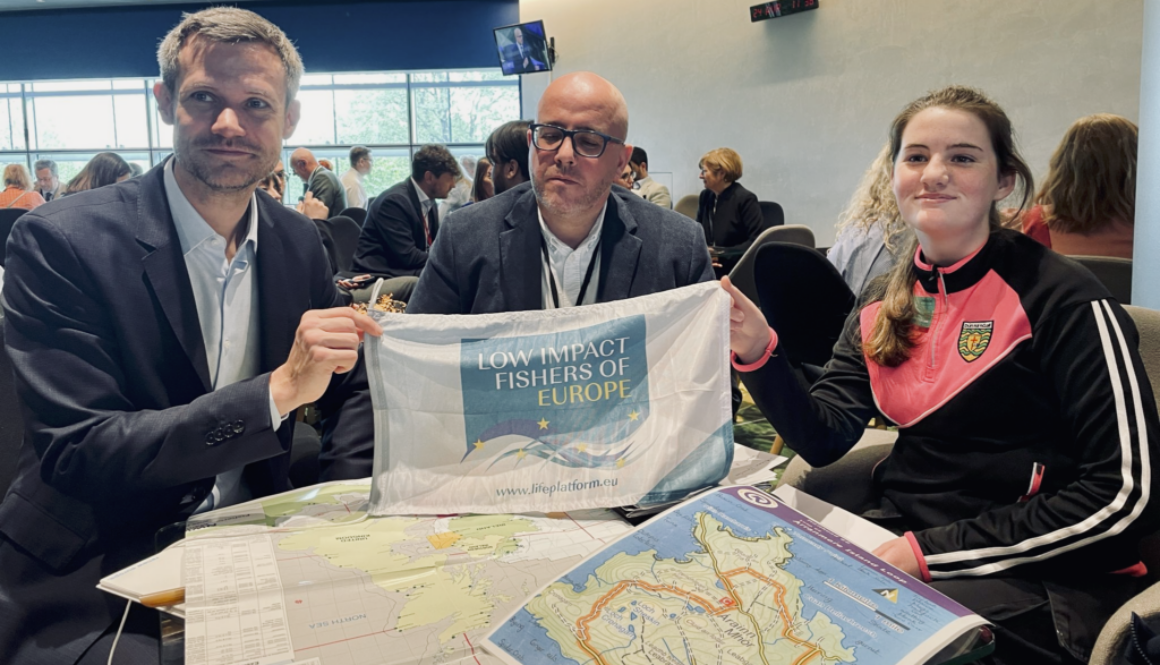
 Welcome to LIFE! We are very happy to have you as members of our platform. Could you tell us a bit more about your organisation, its origin, where you are, and where you work?
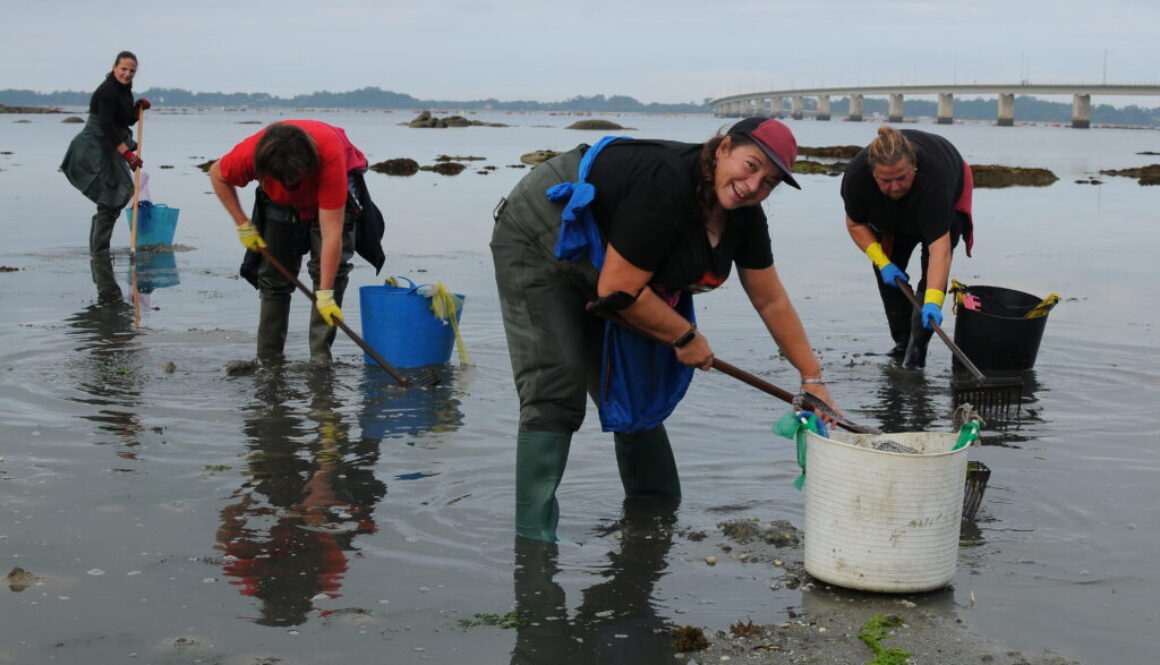
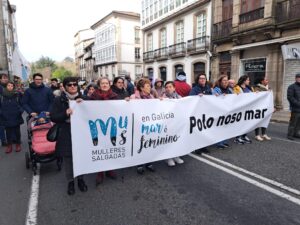
 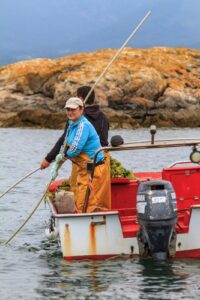 Right now, the main concern is the mortality of shellfish on the beaches and the decline in shellfish resources. We are at a time when many of Galicia’s shellfish gatherers’ groups are ceasing activity or collecting very small quotas, which means a lack of income. Not all shellfish gatherers are entitled to receive the cessation benefit; furthermore, the procedures take a long time. There are still shellfish gatherers who have not received anything and have not worked since January. It is urgent to rethink the management of shellfishing as well as the requirements for obtaining the permits and the conditions to benefit from the cessation of activity.