Fishing Opportunities in the Baltic for 2025
Flawed science, perverse decisions on fishing limits
LIFE calls for an immediate revision of the EC’s proposal and for fishing limits to be reset in line with a more precautionary MSY.
Brussels 24 September 2024. Incomprehensible and not fit for purpose is how LIFE describes the EC’s proposal on Baltic Sea fishing opportunities for 2025. The annual round of setting fishing limits for the Baltic Sea reached a new low, as scientists provided advice for 2025 based on averaging data for the last three years – instead of using a much longer time series. In the case of the Gulf of Bothnia herring, this was used by the Commission to propose a 21% quota increase resulting in catches over 66.000 tonnes.
Coming as it does at a time when this stock of herring is at record low levels and with quota in recent years not having been fully utilised, there is a strong indication that scientists are once again overestimating stock biomass levels. This scientific error was highlighted by Dr. Rainer Froese from the GEOMAR Institute at LIFE’s June event on the emergency situation in the Baltic Sea, who pointed out that year on year, ICES scientists had estimated stock biomass too high, resulting in fishing limits being set too high.
In particular, the proposed herring quota caused shock and consternation amongst LIFE’s Baltic members and many other small-scale fishers in the region. Swedish MEPs in the PECH Committee meeting in Brussels yesterday had a similar reaction. Sofie Eriksson, S&D said that it led people “to question what is behind all this? I am really worried that there is an economic interest behind all this”. Isabella Lovin, Green MEP and former Swedish Environment Minister questioned: “When the scientists have revised their advice so many times and to such a degree, can the Commission really say that these proposals (for fishing opportunities for 2025) are in line with the CFP objectives (Article 2.2) for a precautionary approach… to rebuild stocks and preserve them above levels that can produce Maximum Sustainable Yield (MSY)?”
The International Council for the Exploration of the Sea (ICES) has the monopoly on providing scientific advice for fisheries management – supposedly the “best available scientific advice”. But what if this is the “only available scientific advice”? Is that how the science gets flawed? What is needed is better use of science and better decision making processes as called for by LIFE in its Manifesto for the Xth Legislature
MSY is a theoretical target, based on many assumptions, and so requires data that is as reliable as possible. It is therefore vital that the biological reference points used for calculating MSY are as accurate as possible – based on high quality data gathered over as many years as possible so as to ensure its robustness. The most recent data is the most uncertain and over time these data are revised as we learn more about the stock. Using only the most recent three years of data means these results are highly uncertain. Scientists use biological reference points to measure how healthy fish stocks are. It is the job of ICES scientists to calculate these reference points, to indicate the status of a fish stock and how much fish can be caught each year without impairing future reproduction and stock growth.
“Take the example of the herring in the Gulf of Bothnia. The current estimated virgin biomass (B0), calculated using only the last 3 years of data, is lower than the estimates of the spawning stock biomass (SSB) for the early 1990s when catches were under 50.000 tonnes”, says Christian Tsangarides, LIFE’s Coordinator for the Baltic and North Sea. “Since then, catches have exceeded this figure and SSB has been in constant decline for the subsequent 30 years. Given that recruitment has largely been stable, with no observed sudden shift in recent years, the virgin biomass (B0) could and should have been determined using a much longer time series. This in turn would have produced significantly different MSY reference points. The decision to use an extremely truncated three-year average, coinciding with the historical low for the stock, is neither sufficiently explained nor justified and is likely the main reason for the perverse outcome of the proposal, which is the outcome of shifting baselines,” he noted.
Had the ICES scientists used the entire time series with 60 years of data they would have based their recommendation on a fishing mortality value of 0.068, resulting in a quota of around 28.000 tonnes. However, they dismissed this result from the model as “implausibly low and not in line with the history of the stock”. According to Tsangarides, “No evidence or explanation was provided for this dismissal and it is our opinion that the Fmsy estimate value of 0.068, which is based on the whole data series, is more reliable than the value proposed in the advice (0.218).”
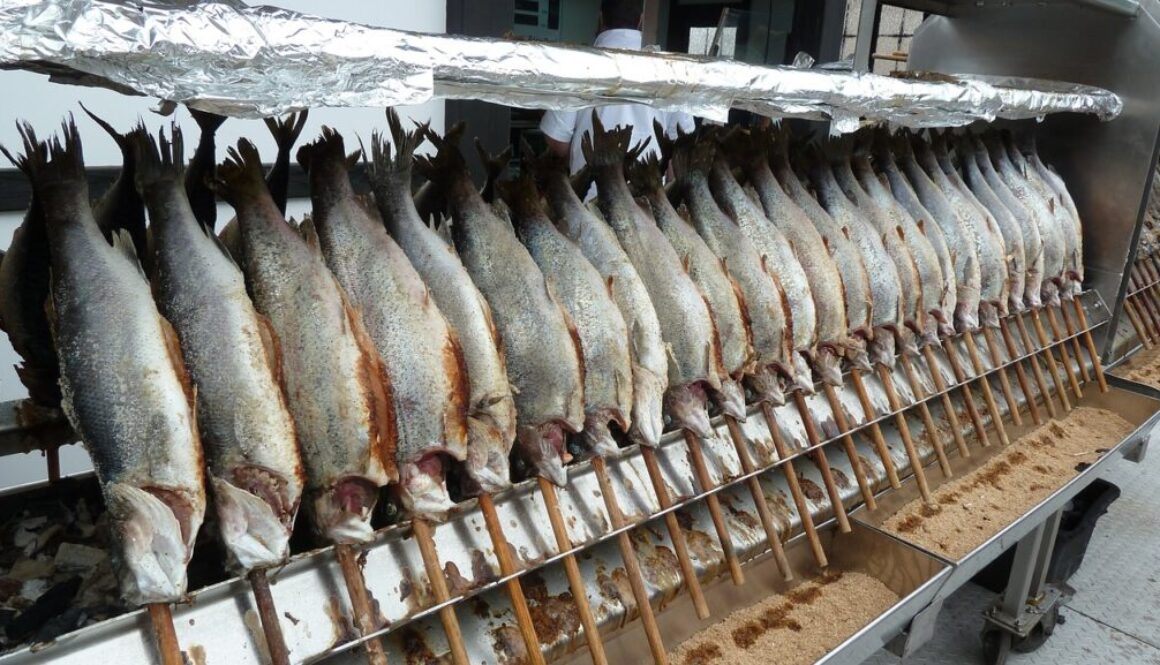
In LIFE’s view, this proposal undermines the achievement of the MSY objective as outlined in the Common Fisheries Policy Article 2.2. Further, the proposal inhibits biomass growth in the Bothnian herring stock and will hasten the collapse of the Swedish surströmming industry.
What is more, neither salmon nor seals are mentioned at all in either the working group report or the advice sheet for Bothnian herring. These three species are clearly interconnected and for there to be no mention at all of this is an oversight which needs to be corrected by adopting a multispecies approach. This proposal will, by allowing increased fishing on their prey species, have the effect of limiting the food supply available for salmon populations and further inhibiting their recovery.
We therefore call for an immediate revision of this proposal and for fishing limits to be reset in line with a more precautionary MSY, allowing the stock to stabilise in the long-term at a spawning stock biomass of significantly more than 1.000.000 tonnes, in line with the history of the stock.


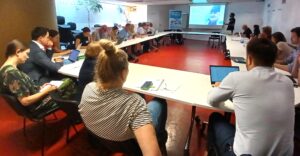
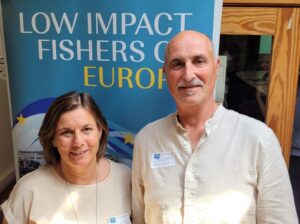
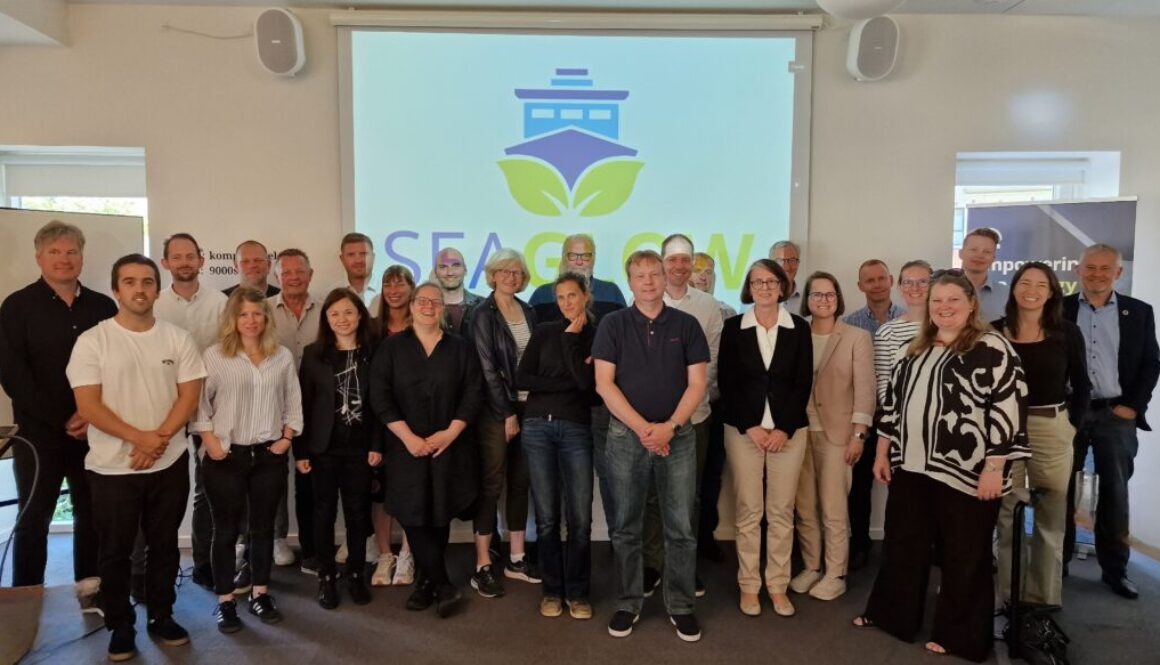
 Aalborg, 4 June 2024 – LIFE is enthusiastic to be part of a consortium of 16 partners from across the European Union, Norway and Thailand who joined in Aalborg, Denmark, to officially launch the Seaglow Project and accelerate the transition of the fishing sector towards renewable and low-carbon energy sources. The initiative, led by NorthDenmark EU-Office, aims to demonstrate that when using the right combination of technologies, small-scale fisheries can reduce their dependency on fossil fuels and positively contribute to restoring marine ecosystems and improving fishing communities’ well-being.
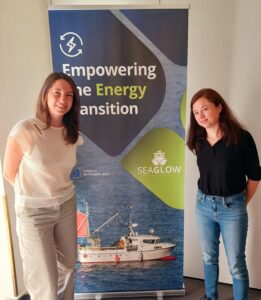 The SEAGLOW consortium will design, construct, and operate five technology pilots, including the replacement of conventional diesel engines, on four vessels in Denmark, Estonia, Norway, and Sweden. Researchers and fishers will then conduct tests in real-life conditions during operations covering at least two fishing seasons, which is rarely done due to the complexity of the task. “We are very excited to kick off this ambitious project”, – states Hanne Bregendahl Pihl, Head of Unit of NorthDenmark EU-Office – “it is a unique opportunity to test and demonstrate some of the available green transition solutions on the market and showcase the impact of these on real, active fishing boats across the Baltic and North Sea. Seaglow has received very high evaluations from the European Commission and encompasses a consortium with a high political reach, which provides optimum conditions for providing feedback on what works in practice, what are the challenges the fishermen are experiencing when engaging in the green transition and what needs to be changed or adapted in future regulations, funding programs and setups.”
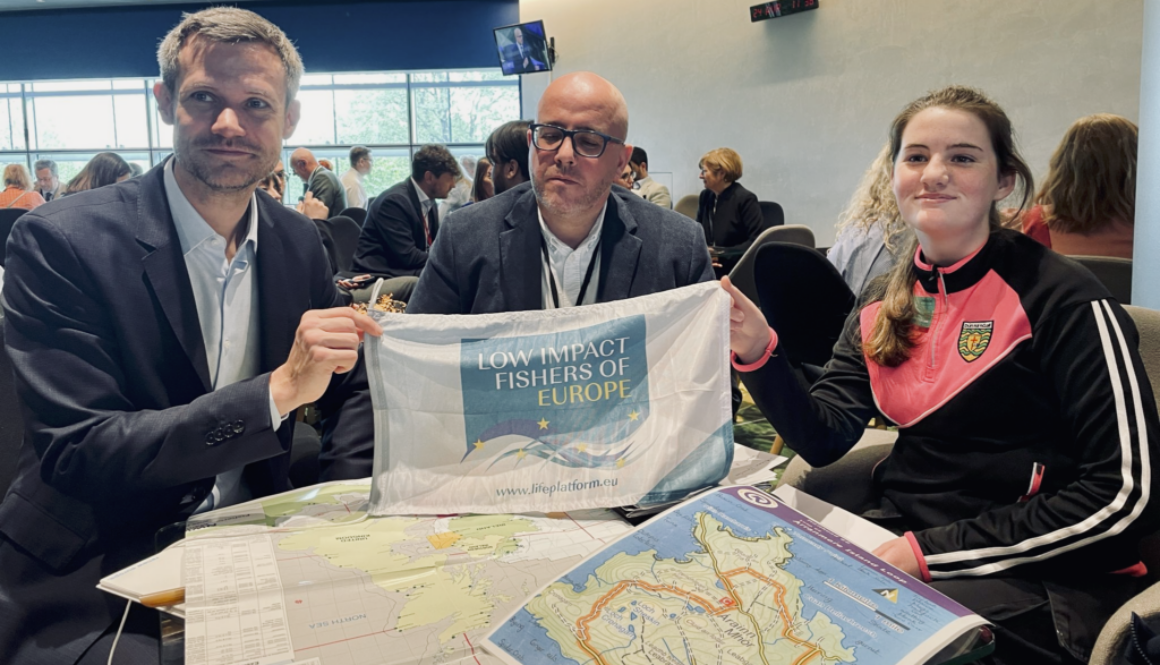
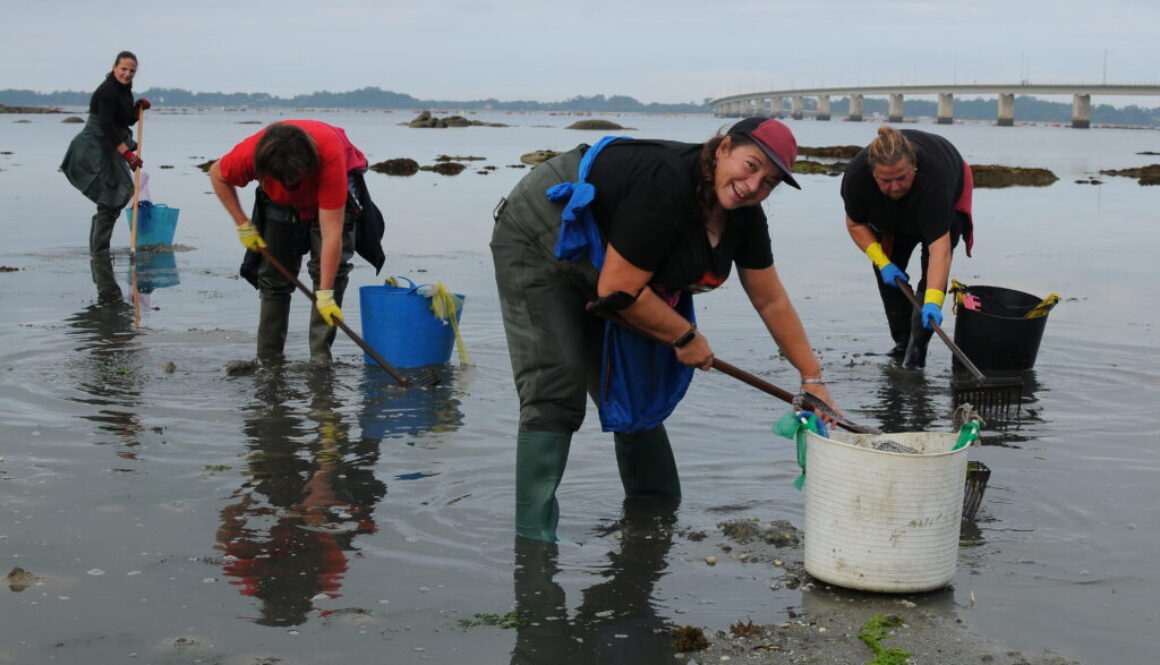
 Welcome to LIFE! We are very happy to have you as members of our platform. Could you tell us a bit more about your organisation, its origin, where you are, and where you work?
  Right now, the main concern is the mortality of shellfish on the beaches and the decline in shellfish resources. We are at a time when many of Galicia’s shellfish gatherers’ groups are ceasing activity or collecting very small quotas, which means a lack of income. Not all shellfish gatherers are entitled to receive the cessation benefit; furthermore, the procedures take a long time. There are still shellfish gatherers who have not received anything and have not worked since January. It is urgent to rethink the management of shellfishing as well as the requirements for obtaining the permits and the conditions to benefit from the cessation of activity.