Το Ευρωπαϊκό Κοινοβούλιο ζητά μια χωρίς αποκλεισμούς και δίκαιη προσέγγιση στον θαλάσσιο χωροταξικό σχεδιασμό – αίτημα που επαναλαμβάνουν οι παράκτιοι ψαράδες στην Ευρωπαϊκή Ημέρα Θάλασσας
Χθες στο Στρασβούργο, σε Ολομέλεια, το Ευρωπαϊκό Κοινοβούλιο ενέκρινε ψήφισμα σχετικά με “τον αντίκτυπο της εφαρμογής της οδηγίας 2014/89/ΕΕ για τον θαλάσσιο χωροταξικό σχεδιασμό στην αλιεία σε επιλεγμένες αλιευτικές περιοχές και θαλάσσιες λεκάνες”, το οποίο αντικατοπτρίζει πολλές από τις προτεραιότητες που προβάλλουν επί του παρόντος οι παράκτιοι αλιείς μικρής κλίμακας κατά την Ευρωπαϊκή Ημέρα Θάλασσας στην Κύπρο.
Το Πανευρωπαϊκό Δίκτυο Αλιέων Χαμηλής Περιβαλλοντικής Επίδρασης (LIFE) χαιρετίζει η υιοθέτηση της πρότασης ψηφίσματος του Ευρωπαϊκού Κοινοβουλίου σχετικά με τον Θαλάσσιο Χωροταξικό Σχεδιασμό (ΘΧΣ). Το Ψήφισμα ανοίγει τον δρόμο για την ανάπτυξη του Νόμου για τους Ωκεανούς (Ocean Act), μιας νέας νομοθεσίας-πλαισίου που αποσκοπεί στην ενίσχυση της διακυβέρνησης των ωκεανών στην ΕΕ, λειτουργώντας ως ενιαίο σημείο αναφοράς για όλους τους οικονομικούς, κλιματικούς, περιβαλλοντικούς και κοινωνικούς στόχους για την προστασία και τη βιώisιμη χρήση των πόρων των ωκεανών. Προορίζεται να υιοθετηθεί το 2026.
Συντάχθηκε από τη Γαλλίδα ευρωβουλευτή κα Stéphanie Yon-Courtin, αντιπρόεδρο της Επιτροπής PECH για την ομάδα Renew, και από τη γαλλική θαλάσσια περιοχή της Κάτω Νορμανδίας, η έγκριση αυτού του ψηφίσματος την παραμονή της Ευρωπαϊκής Ημέρας Θάλασσας (EMD) έχει ιδιαίτερη σημασία. Η EMD φέρνει σε επαφή φορείς και υπεύθυνους λήψης αποφάσεων από όλους τους τομείς της Γαλάζιας Οικονομίας.
Το Ψήφισμα είναι επίσης επίκαιρο υπό την έννοια ότι τα παράκτια ύδατα κυριαρχούνται όλο και περισσότερο από μεγάλους, οικονομικά ισχυρούς και πολιτικά επιδραστικούς παράγοντες, οι οποίοι ενθαρρύνονται από την άνοδο της Γαλάζιας Οικονομίας και την πράσινη μετάβαση προς την υπεράκτια ανανεώσιμη ενέργεια. Έχει στρωθεί κόκκινο χαλί γι' αυτούς, και η αλιεία ουσιαστικά περιθωριοποιείται σε μια εξαιρετικά άδικη, αδόμητη και καταστροφική διαδικασία.
Στην τρέχουσα μορφή της, “η οδηγία για τον ΘΠΧ τείνει να ευνοεί την επέκταση κεφαλαιοεντατικών και χωρικά αποκλειστικών οικονομικών δραστηριοτήτων, οι οποίες θα μπορούσαν να περιθωριοποιήσουν παραδοσιακές, κινητές και συλλογικές χρήσεις της θάλασσας, ιδίως την αλιεία”, σημειώνουν οι νομοθέτες. “Η αλιεία και η υδατοκαλλιέργεια είναι στρατηγικοί τομείς για την ασφάλεια και την κυριαρχία της ΕΕ, ιδίως όσον αφορά την επισιτιστική ασφάλεια και τη να就已经 κυριαρχία, και συμβάλλουν στην ανταγωνιστικότητα και την ανθεκτικότητα των παράκτιων κοινοτήτων”, και “η στρατηγική αξία αυτών των τομέων θα πρέπει επομένως να αναγνωρίζεται δεόντως στον ΘΠΧ”, επισημαίνουν, σημειώνοντας ότι: “η διασφάλιση επαρκούς, ισerροπημένης και προβλέψιμης πρόσβασης στον θαλάσσιο χώρο είναι επομένως απαραίτητη για την ανάπτυξη ανταγωνιστικής αλιείας στην ΕΕ, όπως αναγνωρίζεται από το Ευρωπαϊκό Σύμφωνο για τους Ωκεανούς”.
Το Ψήφισμα θρηνεί το γεγονός ότι “το ισχύον νομικό πλαίσιο για τον ΘΠΧ δεν έχει αποδώσει ικανοποιητικά τα αναμενόμενα οφέλη για την αλιεία”. Για να συμβεί αυτό, “ο ΘΠΧ πρέπει να είναι συμπεριληπτικός, διασφαλίζοντας την έγκαιρη, συνεχή και αποτελεσματική συμμετοχή όλων των σχετικών ενδιαφερόμενων φορέων, συμπεριλαμβανομένων των αλιέων και των συλλεκτών οστρακοειδών και των αντιπροσωπευτικών οργανώσεών τους, καθώς και των κοινοτήτων στις εξόχως απόκεντρες περιοχές, μέσω μιας προσέγγισης από κάτω προς τα πάνω και σε ολόκληρη τη διαδικασία λήψης αποφάσεων, διασφαλίζοντας ότι η συμμετοχή αυτή είναι κατάλληλη, ουσιαστική και δεν περιορίζεται σε έναν απλώς συμβουλευτικό ρόλο”.
Το Ψήφισμα υπογραμμίζει “τον ουσιαστικό ρόλο της αλιείας μικρής κλίμακας” και ζητεί “ο ΘΧΣ να λαμβάνει υπόψη του πλήρως αυτό το τμήμα, ιδίως όσον αφορά την πρόσβαση σε χώρο, την εγγύτητα στους αλιευτικούς τόπους και την ασφάλεια των δραστηριοτήτων”. Ζητεί “ μια διαφοροποιημένη προσέγγιση στη διαχείριση της παράκτιας αλιείας μικρής κλίμακας που περιλαμβάνει προνομιακή πρόσβαση στη ζώνη των 12 ναυτικών μιλίων για αλιεία μικρής κλίμακας, δραστηριότητες χαμηλής περιβαλλοντικής όχλησης και έργα διατήρησης".
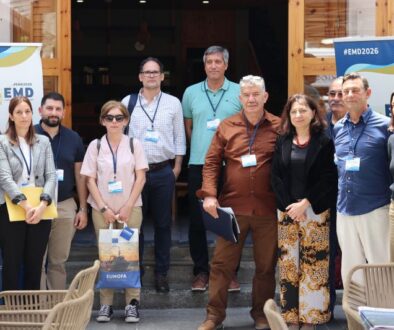
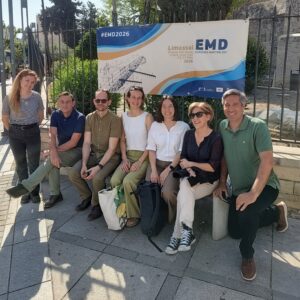 Αυτές οι συστάσεις ευθυγραμμίζονται στενά με το LIFE και το Blue Ventures “Make Fishing Fair Οδικός χάρτης”, το οποίο ζητά ένα “Σχέδιο Δράσης για την Παράκτια Αλιεία στην Ευρώπη έως το 2026” και παρουσιάζεται επί του παρόντος από αντιπροσωπεία αλιέων στην Ευρωπαϊκή Ημέρα Θάλασσας στην Κύπρο. Επαναλαμβάνουν επίσης την Κοινή Έκκληση για Δράση για το Μέλλον της Παράκτιας Αλιείας, η οποία απευθύνθηκε από την Ένωση Παράκτιων Αλιέων Κύπρου κατά τη διάρκεια του ίδιου φόρουμ, αντικατοπτρίζοντας την αυξανόμενη δυναμική σε ολόκληρη την Ευρώπη για δικαιότερες, πιο συμπεριληπτικές και πιο ανθεκτικές πολιτικές για την παράκτια αλιεία.
Οι Ευρωβουλευτές ζητούν την εφαρμογή μιας εκ των κάτω προς τα άνω, ισορροπημένης προσέγγισης πολλαπλών χρήσεων για τον θαλάσσιο χωροταξικό σχεδιασμό (ΘΧΣ), η οποία θα αποσκοπεί στην αποφυγή αρνητικών επιπτώσεων στους θαλάσσιους πόρους και τη βιοποικιλότητα, και επομένως στην αλιεία και την υδατοκαλλιέργεια, και θα διασφαλίζει ότι οι δραστηριότητες αυτές δεν αποκλείονται από τον θαλάσσιο χώρο. Το ψήφισμά τους υπογραμμίζει ότι “η συν-εγκατάσταση δραστηριοτήτων, όπως σταθερές ή πλωτές υπεράκτιες αιολικές υποδομές, μπορεί επίσης να χρησιμοποιηθεί για την ανάπτυξη της υδατοκαλλιέργειας, της οστρακοκαλλιέργειας και της μυκιoκαλλιέργειας και για την προστασία των οικοτόπων της θαλάσσιας πανίδας και χλωρίδας ή αναγεννητικών δραστηριοτήτων και για αλιευτικές δραστηριότητες όπως η παθητική αλιεία χαμηλών επιπτώσεων”.
Τέσσερις από τις συστάσεις του είναι ιδιαίτερα σημαντικές για τη μικρή παράκτια αλιεία, συγκεκριμένα την πρόσκληση για:
- μια αύξηση των προστατευμένων περιοχών που αφιερώνονται στη μικρής κλίμακας, χαμηλών περιβαλλοντικών επιπτώσεων παράκτια αλιεία εντός της ζώνης των 12 ναυτικών μιλίων και υποστηρίζονται από καθεστώτα συνδιαχείρισης
- την Επιτροπή και τα κράτη μέλη να αναγνωρίσουν την αλιεία ως στρατηγικό και προτεραιότητας χρήστη του θαλάσσιου χώρου, η οποία είναι ζωτικής σημασίας για την επισιτιστική κυριαρχία και την επισιτιστική ασφάλεια της ΕΕ, την απασχόληση στις παράκτιες περιοχές και τη στρατηγική αυτονομία, και να αποτυπώσουν ρητά αυτό το καθεστώς στα σχέδια θαλάσσιου χωροταξικού σχεδιασμού και στην επερχόμενη αναθεώρηση της οδηγίας για τον ΘΧΣ·;
- μια διαφοροποιημένη προσέγγιση στη διαχείριση της παράκτιας αλιείας μικρής κλίμακας που περιλαμβάνει προνομιακή πρόσβαση εντός της ζώνης των 12 ναυτικών μιλίων για την αλιεία μικρής κλίμακας, δραστηριότητες χαμηλών περιβαλλοντικών επιπτώσεων και έργα διατήρησης· και
- Η συνδιαχείριση να αποτελέσει το μοντέλο διακυβέρνησης και λήψης αποφάσεων στον ΘΧΣ, με τα πλεονεκτήματα της άμεσης συμμετοχής των ενδιαφερόμενων φορέων, της καλύτερης διαχείρισης των αλιευτικών πόρων, της ανταλλαγής βέλτιστων πρακτικών και μιας προσέγγισης προσαρμοσμένης στις τοπικές πραγματικότητες, ιδίως όταν βασίζεται σε υφιστάμενες και δοκιμασμένες δομές και στην πρακτική γνώση των τοπικών αλιευτικών κοινοτήτων και άλλων δομών, όπως οι ΠΟΑ. Υπογραμμίζει ότι η συνδιαχείριση μπορεί επίσης να συμβάλει στην προώθηση της ανανέωσης των γενεών στον τομέα και στην ενίσχυση της οικονομικής ανθεκτικότητας των στόλων μικρής κλίμακας και παράκτιης αλιείας.
Παρόλο που η LIFE εκφράζει τη λύπη της διότι το Ψήφισμα υστερεί στο να ζητήσει ένα Σχέδιο Δράσης για την Αλιεία Μικρής Κλίμακας στην Ευρώπη, ωστόσο ανοίγει τον δρόμο ώστε ένα τέτοιο Σχέδιο Δράσης να συμπεριληφθεί στον Ευρωπαϊκό Νόμο για τους Ωκεανούς (Ocean Act) στο μέλλον. Ένα τέτοιο σχέδιο θα πρέπει να βασίζεται στις αρχές των Εθελοντικών Κατευθυντήριων Γραμμών του FAO για την Αλιεία Μικρής Κλίμακας (Κατευθυντήριες Γραμμές SSF) και να θεσπίσει μια διαφοροποιημένη πολιτική και προσέγγιση διαχείρισης για την αλιεία μικρής κλίμακας και την αλιεία ευρύτερης κλίμακας.
Αυτό το σχέδιο θα πρέπει να περιλαμβάνει συγκεκριμένα μέτρα με δεσμευτικό χρονοδιάγραμμα που θα ακολουθήσουν τα Ευρωπαϊκά Θεσμικά Όργανα και τα Kράτη Μέλη, με τους ακόλουθους κύριους στόχους:
- Αποκαταστήστε τα ιχθυαποθέματα χρησιμοποιώντας καλύτερη επιστήμη και παραδοσιακή γνώση για την ανοικοδόμηση της υγείας των οικοσυστημάτων
- Προστατέψτε την Αλιεία Μικρής Κλίμακας από ανταγωνιστικούς, επιδραστικούς τομείς της γαλάζιας οικονομίας, διασφαλίζοντας προνομιακή πρόσβαση και καθεστώς κατοχής στα χωricά ύδατα, επεκτεινόμενοι έως τη ζώνη των 6 μ. και 12 ναυτικών μιλίων όπου κρίνεται σκόπιμο.
- Εφαρμογή προσαρμοστικών συστημάτων συν-διαχείρισης σε όλες τις παράκτιες περιοχές
- Διασφάλιση της δίκαιης κατανομής των αλιευτικών ευκαιριών με βάση κοινωνικά, οικονομικά και περιβαλλοντικά κριτήρια
- Προώθηση της ανανέωσης των γενεών μέσω της άρσης των εμποδίων και της παροχής κινήτρων, προσφέροντας κατάρτιση, καθοδήγηση και αξιοπρεπή μέσα διαβίωσης στους νέους αλιείς.
- Χτίστε ανθεκτικές κοινότητες ικανές να προσαρμοστούν στην κλιματική αλλαγή
- Εγγύηση δίκαιης πρόσβασης σε κλαδική στήριξη και αγορές
- Προωθήστε την ισότητα των φύλων αναγνωρίζοντας τις συνεισφορές των γυναικών και διασφαλίζοντας ίση συμμετοχή και ευκαιρίες.
Καθώς η Ευρώπη κινείται προς έναν νέο Νόμο για τους Ωκεανούς, το μήνυμα τόσο από τους υπεύθυνους χάραξης πολιτικής όσο και από τις κοινότητες αλιείας γίνεται όλο και πιο σαφές: η θαλάσσια διαgovernance δεν μπορεί πλέον να διαμορφώνεται αποκλειστικά γύρω από τη βιομηχανική επέκταση και τα ανταγωνιστικά συμφέροντα της γαλάζιας οικονομίας. Η μικρής κλίμακας αλιεία πρέπει να αναγνωριστεί ως στρατηγικός παράγοντας για τη διασφάλιση της βιωσιμότητας των παράκτιων μέσων διαβίωσης, τη διατήρηση της πολιτιστικής κληρονομιάς και τη διαχείριση των θαλάσσιων οικοσυστημάτων.
Το Ψήφισμα του Ευρωπαϊκού Κοινοβουλίου σηματοδοτεί ένα σημαντικό πολιτικό βήμα προς μια πιο ισορροπημένη, δημοκρατική και κοινωνικά δίκαιη προσέγγιση για τον Θαλάσσιο Χωροταξικό Σχεδιασμό. Η πρόκληση τώρα θα είναι η μετεξέλιξη αυτών των αρχών σε δεσμευτικά μέτρα, αποτελεσματικά συστήματα συνδιαχείρισης και συγκεκριμένες προστασίες για τους παράκτιους αλιείς στη θάλασσα. Για το LIFE και τους εταίρους του, ο επερχόμενος Ευρωπαϊκός Νόμος για τους Ωκεανούς αποτελεί μια κρίσιμη ευκαιρία για να τεθούν η δικαιοσύνη και η συμπερίληψη στο επίκεντρο του θαλάσσιου μέλλοντος της Ευρώπης.