Following last week’s European Parliament hearing on small-scale fisheries, LIFE has addressed an open letter to MEPs urging them to protect the sector in upcoming policy votes. Ahead of the crucial 10 November vote on Procedure 2025/0235(COD), we strongly oppose proposals to alter the definition of small-scale coastal fishing. Adopting a flexible “3 out of 5 criteria” model risks distorting EU fisheries policy and diluting targeted support for genuine small-scale fishers.
Nyheder om bæredygtigt fiskeri, sunde have og levende fiskersamfund
3-5/9 LIFE delegation takes the stage at 3rd SSF Summit
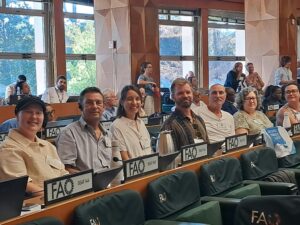
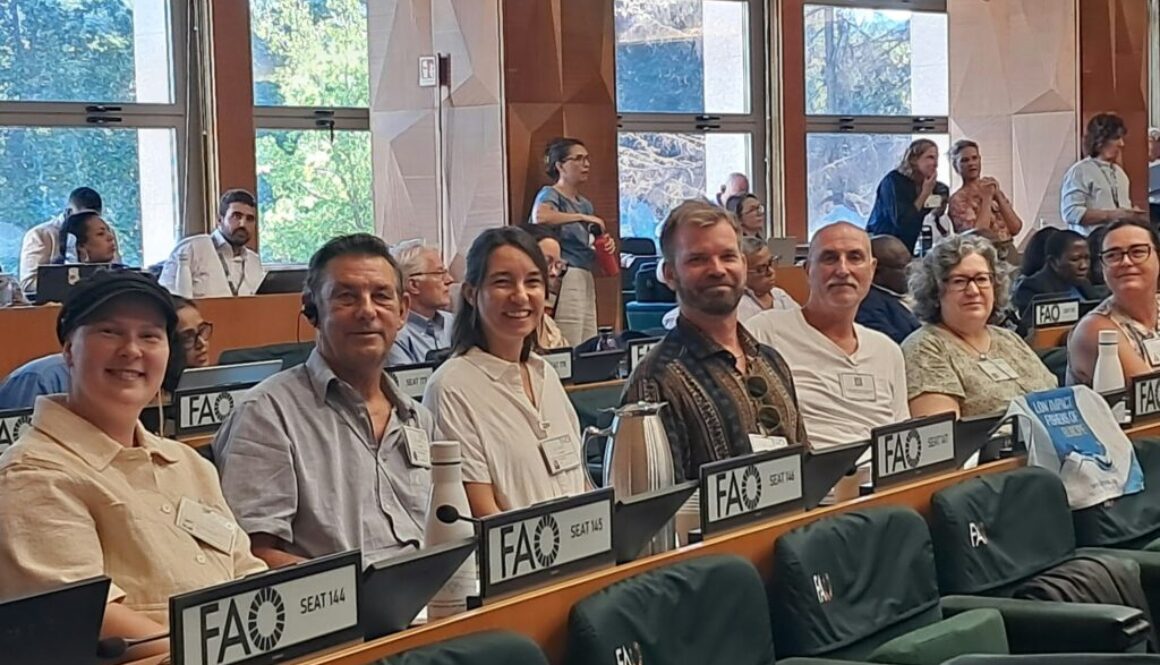
LIFE delegates at the summit in Rome, @LIFE
A delegation from the Low-Impact Fisheries of Europe (LIFE), including six fishers and staff, joined global allies at FAO Headquarters in Rome for the 3rd Small-Scale Fisheries (SSF) Summit.
Despite accounting for 40% of global catches and sustaining nearly 500 million livelihoods, small-scale fishers face persistent marginalization in marine governance. At the Summit, LIFE delegates advocated to turn the FAO SSF Guidelines into enforceable rights. They called for exclusive access within 12-mile zones, equitable quota allocations, direct sales infrastructure, and legally binding co-management. Additionally, they urged both developed and developing nations to adopt mandatory SSF Guidelines while shielding local fishing grounds from the expansion of mega-tourism and offshore wind projects.
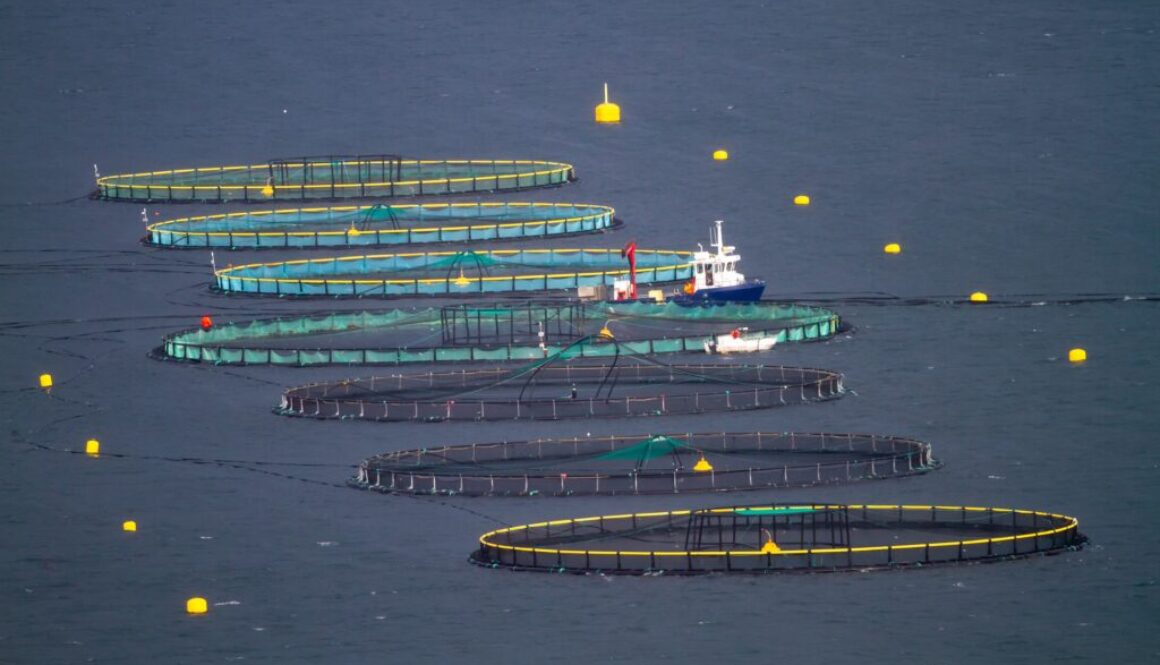
Alongside global partners such as CAOPA, WFFP, and WFF, LIFE called for the reactivation of the SSF Global Strategic Framework to align key policy demands ahead of the FAO Committee on Fisheries (COFI 37). LIFE also co-signed a joint statement with 21 civil society organization exposing the “dark side” of intensive ocean feedlots and opposing carnivorous finfish farming which depletes forage fish for fishmeal, destroys marine habitats, and undermines coastal food security across the world, from the Baltic to West Africa.
11/9 Baltic 2027 Quotas: Small-Scale Fishers Caught in the Middle
Decades of industrial overfishing, pollution, and climate change have severely degraded the Baltic Sea. Yet early signs show that depleted fish stocks can still recover if given proper space and protection. Responding to the European Commission’s 2027 Baltic fishing opportunities proposal, LIFE stresses that low-impact coastal fishers must not bear the financial brunt of management cuts for an ecological crisis they did not create.
To reverse this trajectory, LIFE urges Member States to set conservative Total Allowable Catches (TACs), especially for cod and herring, that allow biomass to rebuild rather than chasing short-term yields. Decision-makers must shield small-scale operators using selective gear from undifferentiated restrictions, while actively applying Article 17 of the Common Fisheries Policy to allocate dedicated quotas using social and environmental criteria. Stricter spatial limits and tighter monitoring on large-scale industrial pelagic trawlers are also urgent to eliminate destructive juvenile bycatch.
Setting 2027 quotas with genuine precaution and socio-economic fairness is the only way to move from managing decline to rebuilding a resilient marine environment alongside thriving coastal communities. LIFE full position on Baltic quota is available here.
LIFE at EU Ocean Week: Driving Small-Scale Fisheries to the Center of Policy
During Ocean Week in Brussels, the Low Impact Fishers of Europe (LIFE) maintained advocacy efforts across multiple fora, connecting global momentum for ocean protection directly to the rights of small-scale fishers.
Mobilizing for an Ambitious EU Ocean Act
LIFE staff kicked off the week alongside civil society allies at the European Parliament for a Blue NGOs networking cocktail. The gathering focused on mobilizing around an ambitious EU Ocean Act to secure healthy seas, resilient coastal communities, and coherent marine governance.
Advocacy shifted to direct policy dialogue on September 30 at the “Reflections on the EU Ocean Act Conference”, hosted by the Permanent Representation of Ireland to the EU and featuring MEPs Paulo Nascimento Cabral and Christophe Clergeau alongside Irish Ministry representatives. However, responses by EP representatives regarding explicit inclusion for small-scale fisheries (SSF) within the proposed legislation were distinctly disappointing. LIFE will continue pressing to ensure low-impact fishers are not sidelined in the EU Ocean Act framework.
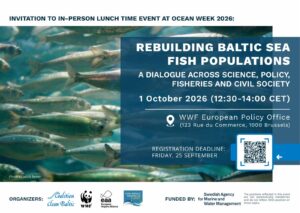
Rebuilding Baltic Sea Fish Stocks: From Managing Decline to Recovery
Parallel to these broad legislative discussions, LIFE co-hosted “Bringing Baltic Sea fish back: from managing decline to rebuilding” alongside CCB, WWF Finland, and the European Anglers Alliance, with support from Havs- och vattenmyndigheten.
Panellists highlighted that managing decline is no longer enough. Active recovery requires clear rebuilding targets, a shared vision of healthy fish populations, and stronger alignment between scientific advice, fisheries policy, and on-the-ground implementation. Concrete solutions are already taking shape: Glenn Douglas (BSAC Science Focus Group Chair) presented the Baltic Sea Advisory Council’s new framework for stock rebuilding. Here you can view the expert presentations and read the fullBSAC recommendations framework.
Dynamic Debates: Rethink Fisheries Day & Beers and Politics
The previous day, LIFE co-organized the “Rethink Fisheries Day” alongside Seas At Risk. The 12-hour marathon of panels brought together practitioners, advocates, researchers, and policymakers. Discussions spanned critical topics, including stock assessment, marketing, decarbonisation, funding, and basin-specific management challenges, proving that the appetite for a fairer, community-focused fisheries model is stronger than ever.
Rounding out the week on October 1st, LIFE policy advisor Brian O’Riordan joined a panel at “Beers & Politics” to debate the future of the EU Common Fisheries Policy alongside Steve Trent (EJF), Cécile Fouquet (EMPA), Pedro Reis Santos (MAC), and Iván López Van der Veen (EBFA). The session sparked dynamic debate on defining small-scale fisheries, choosing Europe’s future fisheries model, setting consumer information priorities, and addressing challenges in mollusc aquaculture; reaffirming the urgent need to put low-impact fishers at the center of the EU fisheries policy.
17/9 European Parliament Call for CFP Reform: MEPs overlook need for a differentiated approach for Small-Scale Fisheries
The European Parliament voted in Strasbourg to adopt a resolution evaluating and calling for an overhaul of the Common Fisheries Policy (CFP). While the vote highlights a push to reform the EU’s main fisheries framework, the adopted text misses the central point: the CFP itself remains fit for purpose,it is the widespread failure to properly implement and enforce its existing provisions that holds back European fisheries. Additionally, the adopted text fails to deliver the concrete solutions needed to protect Europe’s small-scale coastal fleets, which should favour access to fishing opportunities, fishing grounds and markets and the rebuilding of stocks. The position of LIFE on the EP resolution is available here.
18-20/9 Seaglow: a dialogue with fishers Estonia
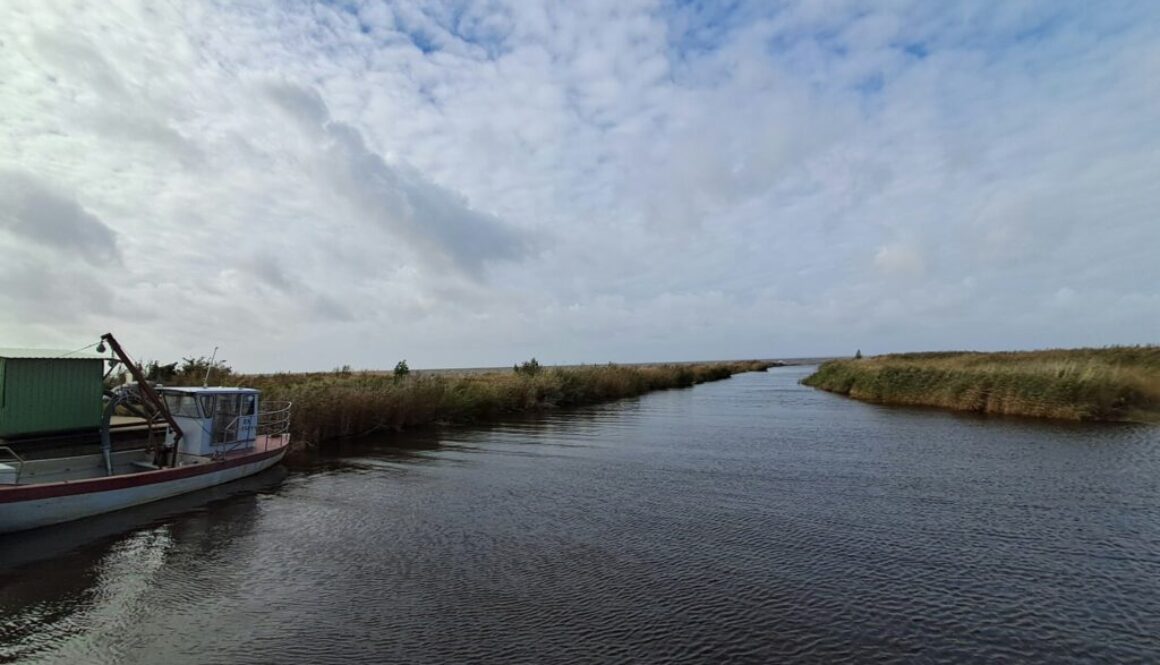
Vessel for the herring fishery, Gulf of Riga, @Seaglow
In their role of SEAGLOW partners, Low Impact Fishers of Europe (LIFE) and local fisher Argo Mengel hosted a workshop at Võiste Port, facilitated by Tallinn University of Technology, to explore small-scale fishing vessels decarbonisation. The spotlight was on PMA-605, a Baltic herring boat being fitted with a hybrid electric-diesel system and hull e-coating designed to slash fuel use by at least 40%.
In the framework of the workshop it appeared that while fishers welcomed quieter operations and lower fuel costs, they ranked technology readiness as their biggest concern, questioning how pure electric systems and winches will handle heavy weather. High upfront costs also mean retrofits require 80–100% public funding and a 5-year payback window to be viable. Crucially, participants called for closer dialogue with policymakers to ensure future regulations reflect the realities of life at sea.
28-29/9 AGRIFISH Council
The EU Agriculture and Fisheries Council met in Brussels chaired by Martin Heydon, Minister for Agriculture, Food and the Marine of Ireland. The Council reached a partial negotiating position on a regulation setting out the conditions for the EU’s support for the Common Fisheries Policy, the EU’s maritime and aquaculture policies, and the European ocean pact for the 2028-2034 period. The Council’s agreement on post-2027 fisheries funding sparked concern among small-scale fisheries and civil society. Absorbing dedicated marine funds into flexible National and Regional Partnership Plans (NRPPs) removes vital green safeguards and risks favoring large-scale industrial fleets. LIFE will continue advocating for compulsory Small-Scale Fisheries Plan in NRPPs and dedicated, ring-fenced funds for the fleet.
På vej
12-13/10 Brussels – Make Fishing Fair Youth Forum – LIFE and Blue Ventures are co-hosting the Make Fishing Fair Youth Summit to officially launch the LIFE Youth Network. Bringing together young small-scale fishers, coastal community representatives, and EU policymakers, the summit will tackle the core challenges and opportunities facing the next generation on the water. The initiative builds directly on the momentum of the 2025 Make Fishing Fair Forum and its Roadmap, turning one of its highest priorities, generational renewal; into concrete action. By creating the LIFE Youth Network, the campaign ensures young fishers have a seat at the table to actively shape fisheries policy and safeguard the future of their profession.
12/10 Brussels, European Parliament – Public hearing on “Stepping up the EU’s support to small-scale fisheries” – How can the EU better empower small-scale fishers? The PECH Committee’s public hearing, “Stepping up the EU’s support to small-scale fisheries,” gathers experts and decision-makers to address future challenges and unlock practical policy solutions. Framing the debate around the Vision for Fisheries 2040 and key CFP implementation tools, the session focuses on building a more resilient, well-supported fleet segment.
13-15/10 Rome, MEDAC – Management of vulnerable species and offshore wind are on the agenda. In addition, there will be an elective assembly at which the new Executive Committee will be elected.
28/10 Brussels – Publication of the Vision 2040- Back in February 2026, the EU Commission launched a call for evidence to gather views from stakeholders, experts and citizens on the Vision 2040 for fisheries and aquaculture. The document is expected to be released at the end of the month of October.
The current EC definition of small-scale coastal fishing (SSCF) works well. Attempts to replace it are at best misguided, and at worst counter-productive says LIFE.
The Common Fisheries Policy (CFP) only took SSCF into account in 2013 following a process of reform. The 2009 Green Paper on the Reform of the CFP highlighted the importance of SSCF and went as far as proposing a differentiated policy and management approach. However, this approach was not adopted.
Prior to that, the European Fisheries Fund (EFF – Council Regulation (EC) No 1198/2006) had come up with a definition in 2006 to ensure that vessels being transferred to tsunami hit countries were appropriate and in line with local needs.
The definition currently used by the EMFAF (Regulation (EU) 2021/1139), and applied by the Scientific, Technical and Economic Committee on Fisheries (STECF) in their reporting is based on this 2006 definition (vessels under 12 metres using non-towed gears) but widened in 2013 to include fishers on foot including shellfish gatherers.
The STECF 2024 Annual Economic Report on the EU Fishing Fleet (STECF 24-03 & 24-07) states that the “definition for Small-Scale Coastal Fleet is determined in Regulation (EU) 2021/1139 of 7 July 2021, which establishes the European Maritime, Fisheries and Aquaculture Fund and amends Regulation (EU) 2017/1004” (as noted above). When this definition is applied, their findings are that the main characteristics of SSCF vessels include:
Area of operation closest to landing points, usually operating within 12 miles;
The vessels are usually owned by small families or one physical person;
Represents the most significant part of the EU fleet in terms of number of vessels – data showing that in 2022 it comprised 76% of the active fleet and 53% of the engaged crew;
SSCF generally improves production price to a higher degree than the LSF, and the gap between prices at first sale can be very high. These gaps may be explained by both differences in quality linked to freshness, size grade and shorter fish supply chain – data showing that in 2022 SSCF landings represented 19% of all EU landings by value, but 6% by value.
Importance to Coastal Communities: the small-scale coastal fleet plays a significant role in supporting coastal communities, providing employment opportunities and contributing to local economies. These fishers often have strong cultural and social ties to their communities, passing down traditional fishing knowledge from generation to generation;
Sustainable Practices: many small-scale coastal fishers adhere to sustainable fishing practices to preserve fish stocks and maintain the ecological balance of coastal areas. They often prioritize selective fishing techniques, avoiding overfished species, and minimizing bycatch (unintended catch of non-target species).
In its 2005/06 Recommendation no 25 04, the International Commission for Conservation of Atlantic Tunas (ICCAT) determines that, for the purposes of the Recommendation, a “small-scale coastal vessel” is a catching vessel with at least three of the five following characteristics: (a) length overall <12 m; (b) the vessel is fishing exclusively inside the territorial waters of the flag CPC; (c) fishing trips have a duration of less than 24 hours; (d) the maximum crew number is established at four persons; or (e) the vessel is fishing using techniques which are selective and have a reduced environmental impact.
Qualifying with only three out of the 5 criteria means that a) the lid on maximum vessel size is lifted, without any limit, and b) any environmentally damaging and non-selective fishing gears may be used. This definition potentially includes up to 90% or more of the EU fleet in the SSCF category, and reduces the significance of SSCF as being low in environmental impact and high in socio-economic value.
LIFE is firmly opposed to such a change.
The road to hell, they say, is paved with good intentions. We call on the well-intended European Parliamentarians to reconsider their call to modify the SSCF definition or justify the change. If they must apply the ICCAT criteria, then please apply all 5 of the 5 criteria.
As well as recognition, small-scale coastal fleets need a differentiated approach, with space and secure access to resources and markets – not just sympathy.
The European Parliament Resolution on the Evaluation of the Common Fisheries Policy adopted in Strasbourg last week gives political support to small-scale coastal fleets (SSCF) but fails to treat SSCF as a distinct part of the fleet that requires a differentiated approach, and which should receive preferential access to inshore fishing zones and be rewarded for delivering environmental and social benefits.
Thursday 17 September 2026, the European Parliament Plenary session in Strasbourg adopted a motion for a Resolution on the Evaluation of the Common Fisheries Policy (CFP) and follow-up. The motion was proposed by 4 political groups – the EPP, the ECR, the S&D, and the Reform Group. Counter proposals from other political groups (Left, Greens and PIE) were rejected.
The Resolution calls on the Commission to submit a targeted, ambitious revision and simplification package before the end of 2026 to address severe socio-economic challenges, regulatory burdens, and geopolitical pressures. It calls for a sweeping revision of the CFP to allow for modernisation and fleet renewal; for regulatory simplification (viz à viz the control regulation); for greater flexibility in mixed fisheries to deal with unwanted by-catch, choke species, and also greater flexibility in the implementation of the landing obligation; reassessment of seabed impact by different gears, to incentivise selectivity and decarbonisation, to duly take into account socio-economic considerations alongside the best available scientific advice when setting TACs.
Whilst the resolution cites the Parliament’s previous work on Article 17 of the CFP and recent advances, its operative paragraphs say almost nothing about implementing it whilst disregarding the findings of the Commission’s evaluation of the CFP. LIFE broadly agrees with the Evaluation findings that the current shortcomings of the policy stem less from the CFP framework itself than from uneven implementation and enforcement by Member States, something that the current Resolution fails to address.
LIFE would have liked to have seen an explicit call to implement Article 17 in the spirit of the law (as laid out in Recital 33 of the CFP (Regulation 1380/2013)) by allocating quotas using transparent environmental, social and economic criteria to:
reward selective, low-impact and locally rooted fishing through additional quotas;
reserve part of fishing opportunities for SSCF;
facilitate access for young and new entrant fishers through ring fenced quotas and sectoral support;
correct historic allocations that have consolidated quota in the hands of incumbent and larger operators.
SSCF viability depends less on general recognition than on secure access to fish. Simplifying rules or modernising vessels alone will not help fishers who have insufficient quota or cannot enter quota-managed fisheries. Of note too, is that increasingly the viability of SSCF, even for those with quota, is plagued by a lack of fish in coastal waters due to stock depletion and the impacts of climate change and pollution.
The Resolution calls for socio-economic considerations to be placed alongside scientific advice, but this should not be used to set catches above precautionary scientific limits or for not addressing the need to stop overfishing. For SSCF healthy stocks are the indispensable social policy for fishing communities, combined with targeted short-term support when recovery measures are necessary.
Vulnerable ecosystems must be protected. Differentiating between bottom gears is justified, as is restricting those with greatest impact. However, weakening habitat protection generally would not serve coastal SSF that depend on functioning ecosystems.
Calls for simplification should focus on reducing unnecessary administrative burdens and achieving effective implementation. It should not mean weaker traceability, less reliable catch data, reduced control of larger operators, or lower environmental and social standards. Poor control frequently benefits operators with greater catching capacity and disadvantages compliant small-scale fishers.Therefore, the principle should be differentiated with proportionate implementation, combined with equally effective control, rather than general deregulation.
Let’s remind ourselves: SSCF provides over 50% of the seagoing jobs and land nearly 20% of the catch by value, generating vital social and economic benefits in coastal areas, anchoring livelihoods and commerce. They face existential threats which this Resolution fails to address.
I den seneste rapport om verdens fiskeri- og akvakulturtilstand (SOFIA 2026 fremhæves akvakulturens støt voksende betydning i forhold til det traditionelle fiskeri. I 2024 oversteg akvakulturproduktionen af vandlevende dyr 100 millioner ton, sammenlignet med det traditionelle fiskeri, som fangede 92 millioner ton.
For LIFE er den slags nyheder velkomne, især hvor akvakultur kan supplere og kombineres med skånsomt kystfiskeri i mindre skala. Ikke-fodret akvakultur, dvs. akvakultur, der udnytter havets naturlige produktion til at fremstille skaldyr i form af muslinger og tang, kan også bidrage til at genoprette forringede marine habitater og rense forurenet vand, samtidig med at det sikrer fødevarer og livsgrundlag for kystsamfund.
Der er dog en mørk side ved akvakultur. Ligesom på land for svin, fjerkræ og kvæg, er den intensive industrielle fedtuleproduktion af finfisk til vands årsag til betydelig forurening, kystafspærring, miljøforringelse og ødelæggelse af levesteder til skade for små
skala-fiskeri og kystsamfund. Sådanne kødædende akvakultursystemer er kritisk afhængige af fiskemel og fiskeolie, der indgår i foder til akvakultur. Fiskemel stammer fra en række forskellige kilder, herunder fra såkaldte “foderfisk”, små pelagiske arter. Forarbejdning af sådanne fisk til fiskemel og -olie kan påvirke fødevare- og livsgrundlagssikkerheden for kystsamfund over hele verden, fra Østersøen til Vestafrikas kyst.
Derfor har LIFE tilsluttet sig en fælleserklæring om akvakultur præsenteret for de 37th Møde i FAO's Komité for Fiskeri (COFI 37). Erklæringen blev udarbejdet af African Confederation of Artisanal Fisheries Organisations (CAOPA) og støttet af 21 civilsamfunds- og smågartnerifiskeriorganisationer (SSF).
LIFE finder det særligt vigtigt at tilslutte sig en sådan erklæring efter FAO's generaldirektørs tale på SSF-topmødet, hvor han satte spørgsmålstegn ved ernæringskvaliteten af vilde fisk og fremstillede fiskeri som en aktivitet, der generelt hverken er bæredygtig eller miljøvenlig, og som heller ikke er i stand til at generere tilstrækkelig indkomst.
ROM, ITALIEN – Seks fiskere og LIFE's eksekutivsekretær fra Low-Impact Fisheries of Europe (LIFE) sluttede sig til kystfiskere og globale partnere i FAO's hovedkvarter fra den 4. til den 6. september 2026 til 3. topmøde for små skala-fiskeri (SSF). Afholdt før FAO's Fiskerikomité (COFI), det toendelige topmøde udgør en rettighedsbaseret platform til at fremskynde implementeringen af FNs Føde- og Landbrugsorganisations frivillige retningslinjer for sikring af bæredygtigt fiskeri i det små (SSF-retningslinjer) fra 2014.
Småskala-fiskeri står for 90% af beskæftigelsen i værdikæderne for fiskeri, bidrage mindst 40% af de globale fangster, og opretholder 492 millioner levebrød på verdensplan. På trods af denne afgørende rolle oplever små dambrugere/fiskere en vedvarende marginalisering i havforvaltningen.
Gennem det tre dage lange møde – som indledte med et eksklusivt forum for fiskerne, før forskere, civilsamfund og ministre blev samlet – spillede LIFE's delegation en central rolle i at formulere de europæiske prioriteter:
Globale politiske prioriteter: LIFE’s præsident Gwen Pennarun repræsenterede LIFE i session 1.2 sammen med tværnationale fiskeribevægelser og krævede fortrinsret for småskala-fiskere i 12-mils-zonen, retfærdig adgang til kvotefordelingen samt behovet for en lovgivningsmæssig handlingsplan for småskala-fiskere med lav miljøpåvirkning, der også kunne fremme generationsskiftet.
Regional tilrettelæggelse:Sandra Amezaga præsenterede resuméet af åbningsforhandlingerne på Dag 1 og faciliterede officielt, sammen med Marta Cavallé, Regionalt møde for Europa og Centralasien, og de ledte diskussioner om implementeringsstrategier på tværs af europæiske afvandingsområder. Som vigtigste resultater var der en opfordring til at gøre SSF-retningslinjerne til et obligatorisk redskab for såvel udviklingslande som udviklede lande.
Evaluering af regionalplan:MacarenaMolina leverede en kritisk vurdering af den regionale handlingsplan for små- og kystfiskeri (RPOA-SSF) i Middelhavet og Sortehavet, baseret på operationelle realiteter fra Havreservatet Cabo de Gata i Almería, Spanien. Hun fremhævede presserende hindringer for gennemførelsen heraf – herunder konkurrence om arealer fra havvindkraft og megaturisme, manglende infrastruktur til direkte salg, fortrængning af fælles forvaltning samt et tilbageslag i kvinders repræsentation i beslutningsprocessen. Macarena opfordrede de underskrivende medlemsstater til at indfri deres forpligtelser i hele regionen ved at sikre arealrettigheder, muliggøre direkte salg, genoprette ødelagte marine levesteder, give kvinder en større rolle inden for fiskeriet og indføre bindende fælles forvaltning.
“Små skala-fiskere med lav påvirkning kan ikke forblive sat på sidelinjen i politiske beslutninger, der truer deres kystterritorier,” LIFE-delegaterne lagde vægt på. “Vi har brug for konkret politisk tilsagn for at omsætte globale retningslinjer til konkret handling og håndhævelige rettigheder på vandet.”
Genaktivering af SSF Global Strategic Framework (SSF-GSF)
Et centralt fokus for topmødet var præsentationen af resultaterne fra genaktiveringsprocessen for den globale strategiske ramme til støtte for retningslinjerne for småskala-fiskeri (SSF-GSF). Oprindeligt etableret efter anerkendelse af COFI som en global partnerskabsmekanisme, er ideen om at forny SSF-GSF-mekanismen beregnet til at tilbyde aktører inden for småskala-fiskeri, regeringer og støttende interessenter en samarbejdsplatform til at lede og opmuntre til implementeringen af SSF-retningslinjerne. Transnationale organisationer præsenterede deres vision og målsætninger for den genaktiverede ramme, som vil blive præsenteret og efterspurgt på COFI-møderne.
Forening af den globale SSF-bevægelse og opfordringen til handling
Topmødet udgjorde dybest set en afgørende mulighed for at styrke samordningen på tværs af den globale bevægelse for små-skala fiskeri. Ved at samle førende transnationale alliancer – herunder Low Impact Fishers of Europe (LIFE), The African Confederation of Professional Organizations of Artisanal Fisheries (CAOPA), World Forum of Fisher Peoples (WFFP) og World Forum of Fish Harvesters and Fish Workers (WFF), Union of Latin American Small-scale Fishers (ULAPA), International Treaty Council (IITC), African Women Fish Processors and Traders Network (AWFISHNET), Community-Based Fisheries Dialogue’s Advisory Group (CBFD AG) – koordinerede delegerede fælles politiske udmeldinger til COFI. Dette kollektive momentum forsterker behovet for global advocacy og giver øget synlighed til relevante initiativer såsom Opfordring til handling, hvilket gør det muligt for underskriverne og organisationer for småfiskere over hele verden at danne en fælles front for brugsrettigheder, retfærdighed i havene og bæredygtige levebrød i kystområderne. Dette blev flot illustreret, da CAOPA overrakte LIFE en pris som anerkendelse af det fælles arbejde med denne vigtige opfordring.
Årtiers overfiskeri har svækket bestande, som nu må stå over for negative konsekvenser fra forurening og klimaændringer. På trods af forringelsen af Østersøens havmiljø er der tegn på, at bestandene kan komme sig, hvis de får lov til det.
Her er LIFE’s anbefalinger for Østersøkvoterne for 2027, baseret på behovet for at understøtte bestandens vækst:
For at støtte den småskalakystfiskeri-sektor, der forankrer kystsamfundene, er det nødvendigt, at TAC-forordningen understøtter væksten i fiskebestandene. Kystfiskeriet er frem for alt afhængig af tilgængeligheden af fisk i salgbar størrelse, og fiskene skal have lov til at vokse for at opfylde de primære markedskrav, for at kystfiskeriet kan være levedygtigt.
Kommissionens forslag til centralbaltisk sild hvilket muliggør den tredje kvoteforøgelse på fire år, samtidig med at det understøtter en øget tilgængelighed af større sild og ældre årsklasser. Dette bygger videre på de foregående to år, hvor Rådet har fastsat en forsigtig kvote (0,5 Fmsy), som har givet fordele for både sektoren og aktierne.
Dog er det nødvendigt med ændringer til Kommissionens forslag. Bifangtkvoten for torsk lagrene bør holdes på samme niveau som i 2026 for at minimere risikoen for utilsigtet kontrolproblematik (dvs. mangel på tilstrækkelig kontrol med trawlfiskeri). Anektodisk evidens indikerer, at bifangst af torsk i den pelagiske sektor langt overstiger den tilladte kvote, men ikke indberettes. Fejlrapportering bør adresseres i stedet for TAC-reduktioner.
Med hensyn til rødspætte, er der fanget ca. 6% af den kvote, der blev tildelt i 2026. Kommissionens foreslåede kvotefordeling for 2027 er derfor urealistisk og skyldes, at den videnskabelige rådgivning ikke afspejler den aktuelle bestandsstruktur og den potentielle fiskbare biomasse. Andelen af den udnyttede TAC har i mange år været meget lav, under 15%, og er faldende. Vi anbefaler derfor, at artikel 7 i TAC-forordningen ændres, så fiskeri med passivt udstyr i underområde 25 og 26 kan udvides til en dybde på 40 meter. Dette vil gøre det muligt at udnytte rødspætte med større succes, da den søger tilflugt i dybere og koldere farvande.
For vestlig forårsgydende sild kvote: det er bydende nødvendigt, at Rådet genindfører bestemmelsen om målrettet fiskeri for småbådsfiskeriet og viderefører den nuværende TAC til 2027.
Med hensyn til Botnisisk sild Kommissionens forslag understøtter ikke bestandsvæksten, og fiskeridødeligheden vil overstige tærsklen på 0,5 Fmsy. Vi anbefaler derfor en reduktion på 20% i den foreslåede TAC fra 57.308 til 45.544 ton. Genopretningen i 2026 er gået i stå. De forbedringer, som fiskerne havde observeret sidste år, er blevet udhulet på grund af for høje niveauer af fiskedødelighed fra det industrielle fiskeri til fremstilling af fiskemel. Det er absolut nødvendigt at reducere fiskedødeligheden og opretholde F på niveauer, der understøtter bestandsvækst og giver den småskalafiskeri de nødvendige betingelser for at være en blomstrende og velstående sektor.
For begge centralbaltisk sild og brisling Aktieudviklingen har været positiv og er en direkte konsekvens af Rådets beslutninger om ikke at forfølge den maksimale teoretiske fangst. Dette viser tydeligt, at genopretning af bestanden er mulig på trods af forringelsen af Østersøens marine miljø, og at bestandens vækst betinges af opretholdelsen af denne forsigtige tilgang.
LIFE anbefaler at fastsætte kvoterne til maksimalt 0,5 Fmsy for arter på lavere trofniske niveauer for at tage højde for økosystemdynamik og modelfejl, samtidig med at der sikres stabile kvoter og undgås lukning af fiskeriet. ICES ACOM-tilstand at “fiskeri på niveauer, der ligger omkring 75% af FMSY eller endnu lavere, vil medføre et minimalt tab af langsigtede udbytter og resultere i en langt større SSB, hvilket de facto er foreneligt med EBFM og i overensstemmelse med gældende lovgivning i betragtning af den store, ofte uberegnede usikkerhed i enhver vurderingsmodel.”
Genoptræningsråd er en prioritet, og vi beklager manglen på fremskridt siden den enstemmige udtalelse fra medlemsstaterne og Kommissionen på mødet i Agrifish-Rådet i 2026. Det er nødvendigt at opretholde momentum for at sikre, at vores bestande er sunde og kan understøtte levebrødet for små skov- og fiskerisamfund – i overensstemmelse med CFP-målet om at genoprette og opretholde de udnyttede fiskebestande over niveauer, der kan producere det maksimale bæredygtige udbytte (MSY).
Hvorfor er SSCF vigtig
I Østersøen udgør det småskalafiskeri (SSCF) over 90% af flåden og over 60% af beskæftigelsen (hvoraf 80% er egentlige arbejdspladser) inden for fiskeriet (baseret på fuldtidsækvivalenter – FTE). Selvom de fleste af disse job er af deltidsmæssig karakter, udgør SSCF en vigtig supplerende indtægtskilde for kystsamfund med få alternativer. Sektorens tilbagegang og de vanskelige økonomiske forhold, den befinder sig i, truer levedygtigheden af de kystsamfund, der er afhængige af SSCF.
I det seneste årti har SSCF oplevet en betydelig forringelse af adgangen til fiskerimuligheder, navnlig på grund af kollapset i torskebestandene (både østlig og vestlig), hvor det målrettede fiskeri blev lukket i 2019. Fremover ser udsigterne fortsat dystre ud med fortsat lukning af det målrettede fiskeri efter østlige og vestlige torskebestande, og hvor der kun tildeles fiskerimuligheder til “uundgåelige bifangster”. SSCF vil også blive ramt af lukningen af sild i det vestlige Østersø og “laks i hovedbassinet” i ICES-underdelingsområde 22 til 31.
I mellemtiden fortsätter det industrielle industrifiskeri efter fiskemel med at fange betydelige, men uregistrerede mængder af kommercielt vigtige arter som torsk, sild og laks som “uundgåelig bifangst”, hvorved genopretningen af disse bestande undermineres.
Nyheder om bæredygtigt fiskeri, sunde have og levende fiskersamfund
DEL TAG MED OS den 30. september i Bruxelles!
Gentænk Fiskeridag – Veje til en retfærdig omstilling! Den Low Impact Fishers of Europe og Seas At Risk er organisering af dette et dagsarrangement, der samler politikere, fiskere, forskere, civilsamfundsorganisationer og praktikere for at udforske praktiske veje mod retfærdige, lavt-påvirkende og økosystembaserede fiskerier i Europa. Registrer dig her!
29/6-3/7 LIFE-strategimøde i Nederlandene
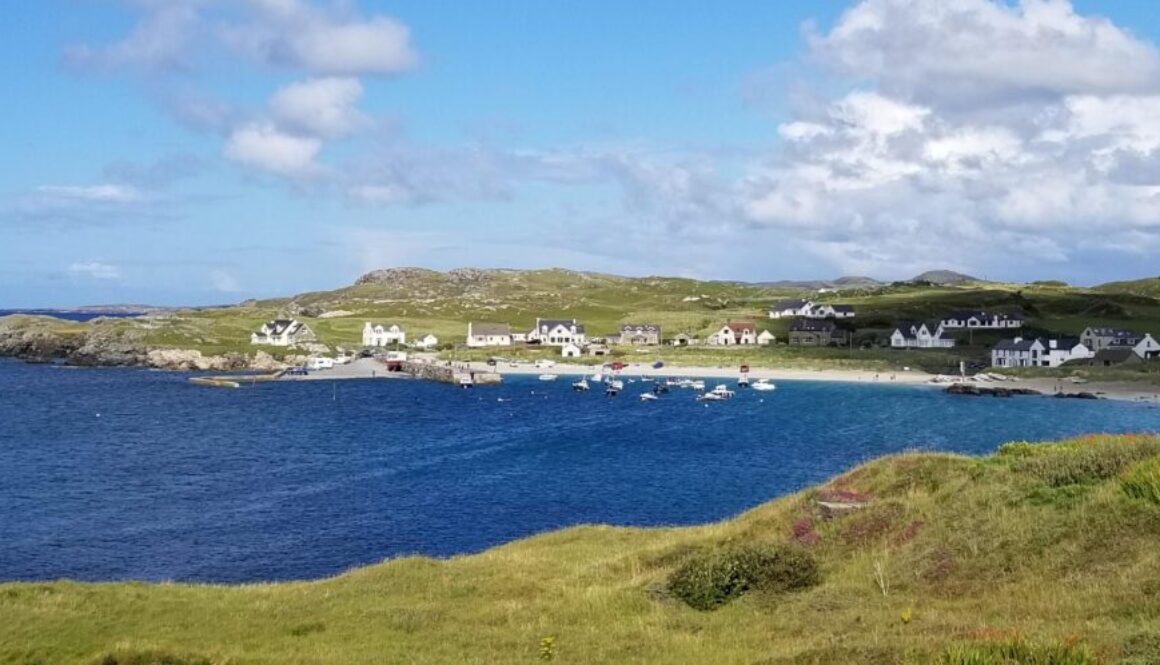
LIFE-holdet tilbragte en intensiv og inspirerende uge i fiskeribyen Den Oever i Holland. Med ekspertvejledning afStone Soup Consulting, et internationalt konsulentfirma med speciale i strategi, organisationsudvikling og social indvirkning, reflekterede holdet over LIFE's fremtidige retning, styrkede sin interne strategi og formede sine prioriteter for de kommende år. At samle kolleger fysisk skabte værdifuld plads til at udveksle ideer, udfordre perspektiver og afstemme sig om en fælles vision for at fremme LIFE's mission om at støtte sine medlemmer.
Ugen omfattede også et møde medFonden for Passivt Fiskeri i Nordsøen, som repræsenterer og støtter den hollandske passivfiskerisektor, ogPot Fishing Agency, en Den Oever-baseret virksomhed, der udvikler innovative fiskeri- og forarbejdningsteknologier og udfører fiskeriforskning. Drøftelserne var fokuseret på fiskeriinnovation, fælles ambitioner og muligheder for tættere samarbejde for at styrke fremtiden for det kystnære og skånsomme fiskeri.
7.-8./7. EU Ocean Act Conference 2026 i Wexford, Irland
EU Ocean Act-konferencen, der var værtskabt af Irlands ministerium for klima, energi og miljø, faldt sammen med åbningsdagene forIrlands formandskab for Rådet for Den Europæiske Union og tilbød en tidlig indikation af det nye formandskabs holdning og prioriteter for havforvaltning. Arrangementet samlede regeringsrepræsentanter, EU-embedsmænd, besluttere, forskere og maritime interessenter for at drøfte den kommende europæiske havlov og den bredere fremtid for EU's blå økonomisektorer.
LIFE-bestyrelsesmedlem og IIMRO-repræsentant Séamus Bonner deltog i arrangementet. Fra et kystfiskeperspektiv blev minister Dooleys åbningsbudskab om, at “lokalsamfund skal være kernen”, og hans anerkendelse af vores indbyrdes afhængighed i havforvaltningen, velmodtaget. LIFE og IIMRO understreger, at dette skal omsættes til meningsfuld deltagelse og konkrete tiltag for det kystnære fiskeri, herunder anerkendelse af sædvanlige fiskeriområder, fair adgang i henhold til CFP's artikel 17, traditionel økologisk viden, generationsskifte og gennemsigtig marine fysisk planlægning, der muliggør sameksistens med havvind og lovgivningen om havbeskyttelsesområder, som blev annonceret på konferencen.
9/7 EU-Parlamentet debatterer fremtiden for EU's fiskeripolitik
Europa-Parlamentet afholdt en plenardebat i Strasbourg om fremtiden for EU's fælles fiskeripolitik (FFP). MEP'erne udspurgte EU-kommissæren for fiskeri og havne, Costas Kadis, om udsigterne for politikken og de nødvendige foranstaltninger til støtte for sektoren.
Drøftelsen tog fat på en række spørgsmål af særlig betydning for små fiskere, herunder flådefornyelse og dekarbonisering, administrativ forenkling, generationsskifte og fiskersamfundenes økonomiske modstandsdygtighed. Der blev ikke vedtaget nogen beslutning i juli; debatten tjente som forberedelse til en beslutningsresolution fra Parlamentet, der forventes sat til afstemning under plenarmødet den 14.-17. september.
September-beslutningstagen forventes at fastlægge Parlamentets politiske holdning efter Kommissionens nylige evaluering af den fælles fiskeripolitik. Den kan være med til at forme debatten om en eventuel efterfølgende reform af den fælles fiskeripolitik, dens gennemførelse og fremtidige EU-midler til fiskeriet. Selvom den ikke er bindende, vil beslutningen udgøre en vigtig indikation af Parlamentets prioriteter for EU-fiskeriets fremtid og af den plads, der tildeles de the små fiskere i denne fremtid.
16/07 LIFE afgiver udtalelse om havloven
LIFE indsendte sit input til offentlig høring sat i gang af Europa-Kommissionen for at hjælpe med at udforme den europæiske havlov, et centralt lovforslag under den europæiske havpagt, der forventes vedtaget i 2026. Havloven har til formål at styrke havforvaltningen i EU og fungere som et samlet referencepunkt for alle økonomiske, klimarelaterede, miljømæssige og sociale målsætninger med henblik på at beskytte og bæredygtigt udnytte havets ressourcer.
I sit svar fremhævede LIFE sine vigtigste prioriteter og centrale forslag. Især giver den kommende havlov mulighed for at etablere en lovgivningsmæssig ramme, der omsætter Havpagtens forpligtelse til at prioritere småskalafiskeri (SSF) til konkrete tiltag. LIFE opfordrer derfor i sit høringssvar til, at den nye lovgivning indeholder: en bindende handlingsplan for SSF; præferenceadgang og regenerative fiskeriområder; en retfærdig fordeling af fiskerimuligheder og fremme af en retfærdig omstilling til fiskeri med lav miljøpåvirkning; fælles forvaltning og inklusiv styring; prioritering af fiskeri til direkte menneskeligt forbrug frem for fiskeri til forarbejdning; den sociale dimension og generationsskifte samt etablering af en klimatilpasset maritim rumplanlægning.
21/7 LIFE Generalforsamling: politiske mærkesager og organisatorisk udvikling
LIFE-holdet orienterede medlemmerne om den seneste udvikling inden for interessevaretagelse, og organisationens regnskab for 2025 blev fremlagt og godkendt. Medlemmerne drøftede navnlig fiskerikontrolforordningen og de udfordringer, som dens gennemførelse medfører for det kystnære småfiskeri; høringen om havloven (Ocean Act) og behovet for at styrke beskyttelsen af det kystnære småfiskeri inden for 12-mils-zonen; samt den voksende trussel fra invasive arter. En præsentation af LIFE-projektmedarbejder Aksel Ydren om sortmundet kutling fik deltagerne til at udveksle erfaringer og eksempler fra hele Europa. Den afsluttende tematiske session omhandlede udviklingen af LIFEs ungdomsnetværk og mulighederne for at styrke yngre fiskeres deltagelse i organisationen og i fiskerisektoren generelt. Mødet udgjorde en vigtig mulighed for LIFE-medlemmerne til at udveksle viden, styre organisationens interessevaretagelse og styrke dens interne forvaltning.
23/7 LIFE besøger Cooperativa San Leopoldo i Toscana
LIFE-holdmedlem Claudia Orlandini besøgte de italienske LIFE-medlemmer fra Cooperativa San Leopoldo på den toscanske kyst. Besøget omfattede en rundvisning på kooperativets forarbejdningsenhed, hvor små mængder fangst omdannes til produkter af høj kvalitet med merværdi. Disse omfatter tun, gråmulte og muslinger konserveret i olie eller tilberedt i vakuumemballerede formater. Denne tilgang gør det muligt for kooperativet at udnytte produkter i mindre mængder bedre, samtidig med at deres værdi øges, og holdbarheden forlænges.
Cooperativa San Leopoldo arbejder også sammen med videnskabelige institutioner for at udvikle og afprøve nye teknologier til opdræt af innovative marine arter ved hjælp af naturlige fodringssystemer, såsom plankton. Besøget gav et værdifuldt indblik i, hvordan samarbejde, lokal forarbejdning og videnskabelig forskning kan skabe nye muligheder for små skaleret fiskerisamfund.
Besøg i Finland
LIFE deltog i et studiebesøg arrangeret af den finske fiskeriorganisation Österbottens Fiskareförbund, som samlede kystfiskere fra Sverige og Finland. Som en del af programmet besøgte deltagerne fiskeren Karl-Åke Wallin, formand for Producentorganisationen Kustfiskarna Bottenhavet, en medlemsorganisation under LIFE. Under besøget præsenterede LIFE's Aksel Ydrén projektet om sortmundet kutling, delte indsigter i, hvordan man kan tackle og udnytte denne invasive art, og diskuterede grænseoverskridende samarbejde mellem kystfiskere i Sverige og Finland.
Kommer snart:
3.-6./9. SSF Summit i Rom, Italien – En LIFE-delegation vil deltage FAO-topmøde om småb Fiskehverv, samling af repræsentanter for små skala-fiskesamfund og støtteorganisationer for at udveksle erfaringer, identificere fælles prioriteret og styrke det internationale samarbejde. Hovedfokus vil være implementeringen af FAO's frivillige retningslinjer for sikring af bæredygtigt fiskeri i det kystnære små skala-fiskeri i en sammenhæng med fødevaresikkerhed og udryddelse af fattigdom.
19/9 Võiste, Estland – Som medlem af Seaglow-konsortiet vil LIFE besøge Võiste i Estland for at deltage i den lokale fiskerimesse og introducere Seaglow for lokalsamfundet.
23-24/9 Bilbao, Spanien – LIFE-præsident Gwen Pennarun vil deltage i en workshop organiseret af det EU-finansierede forskningsprojekt INSPIRI, som samler interessenter for at udvikle fælles visioner for en bæredygtig og genoprettet Biskay og Atlanterhav.
28.-2/10 Ocean week, Bruxelles – En uge med initiativer og begivenheder arrangeret af blå NGO'er i Bruxelles og andre interessenter, som sætter et sundt hav i centrum for Europas fremtidige modstandsdygtighed, blå økonomi og miljømæssige bæredygtighed.
I april 2026 lancerede Kommissionen en offentlig høring for at være med til at udforme den europæiske havlov, et vigtigt lovforslag under den europæiske havpagt, der forventes vedtaget i 2026. Havloven har til formål at styrke havforvaltningen i EU og fungere som et samlet referencepunkt for alle økonomiske, klimarelaterede, miljømæssige og sociale målsætninger, der er designet til at beskytte og bæredygtigt anvende havets ressourcer.
Konsultationen varede indtil 16. juli 2026; LIFE-bidrag og relaterede dokumenter er tilgængelige nedenfor:
Nyheder om bæredygtigt fiskeri, sunde have og levende fiskersamfund
3/6 Europa-Parlamentets Fiskeriudvalg (PECH): Et blik på den fælles fiskeripolitiks fremtid
LIFE-personale overværede EU-Parlamentets Fiskeriudvalgs (PECH) møde i juni, hvor kommissær Costas Kadis præsenterede evalueringen af den fælles fiskeripolitik (FFP) som led i den strukturerede dialog med medlemmerne af Europa-Parlamentet.
Mødet gav en vigtig mulighed for at gøre status over gennemførelsen af den fælles fiskeripolitik ( CFP ) og drøfte dens fremtidige retning sammen med bredere initiativer, der former EU's fiskeri- og maritimpolitik. Mens opfordringer til en revision af CFP'en vinder indpas blandt andre interesser, falder LIFEs vurdering sammen med EU-Kommissionens vigtigste evalueringskonklusion, nemlig at mange af CFP's mangler ikke skyldes selve politiske ramme, men der medlemsstaternes inkonsistente gennemførelse og håndhævelse. Du kan gennemse LIFEs fuldstændige analyse af evalueringen af CFP'en her.
Udvalget undersøgte også Europa-Kommissionens forslag til Fonden for Nationalt og Regionalt Partnerskab (NRP) for programmeringsperioden 2028–2034. Det foreslåede forordningsforslag har til formål at fastlægge rammen for EU's finansielle støtte til den fælles fiskeripolitik, den europæiske havtopmagtspagt og Unionens maritime politik og akvakulturpolitik. Den tyske MEP Niclas Herbst (EPP) er den ordfører, der er blevet udpeget af Pech til at svare på Kommissionens forslag.
Et centralt tema for drøftelsen var sektorens energiomstilling, som forventes at kræve betydelige investeringer i de kommende år. Samtidig med at vigtigheden af at støtte denne omstilling anerkendes, er LIFE's holdning (se nyheden nedenfor), at målrettede og øremærkede midler til småskala-fiskeriet er afgørende for at sikre, at dette segment fuldt ud kan drage fordél af fremtidige EU-finansieringsmuligheder.
LIFE vil fortsat nøje følge disse drøngelser og i dialog med EU'هها institutioner sikre, at små kystfiskere og skånsomt fiskeri fuldt ud tilgodeses i den fremtidige politiske og finansielle ramme.
9/6 LIFE’s holdning til Fremtidens Fiskerifond og definitionen af det kystnære fiskeri
MEP Niclas Herbst (EPP), ordfører for PECH-udvalget for fornyelsen af EU's sektorspecifikke støtte til den fælles fiskeripolitik, den europæiske havpakte og Unionens maritime politik og akvakulturpolitik som led i National and Regional Partnership Fund (NRP-fonden) for perioden fra 2028 til 2034, præsenterede sit udkast til betænkning i Europa-Parlamentet.
9-11/6 LIFE deltager i EU Sustainable Energy Week på vegne af Seaglow-projektet
LIFE deltog i EU Sustainable Energy Week (EUSEW) i Bruxelles som partner i SEAGLOW-projektet.
Arrangementet samlede beslutningstagere, forskere, virksomheder og EU-finansierede projekter for at diskutere, hvordan Europa kan fremskynde overgangen til ren energi. Det bød også på en værdifuld mulighed for at skabe kontakt til repræsentanter fra CINEA – Det Europæiske Forvaltningsorgan for Klima, Infrastruktur og Miljø – og udveksle erfaringer med andre initiativer, der arbejder for en mere bæredygtig fremtid.
Dette års centrale budskab var klart: energiomstillingen skal være inklusiv. Som en del af SEAGLOW-konsortiet og gennem sit bredere politiske arbejde er LIFE forpligtet til at sikre, at det kystnære og mindre skala fiskeri ikke efterlades. At støtte sektorens overgang til renere og mere energieffektive teknologier kræver politikker og investeringer, der er retfærdige, tilgængelige og skræddersyet til det kystnære fiskeris realiteter, hvilket gør det muligt for fiskere at spille en aktiv rolle i opbygningen af morgendagens blå økonomi.
10/6 Udbygning af havvind – hvilken rolle for det kystnære fiskeri?
LIFE deltog i Europa-Parlamentets arrangement “Advancing Offshore Wind Alongside Marine Protection”, som var værtskabt af MEP'erne Paulo do Nascimento Cabral og Eric Sargiacomo. Diskussionen samlede beslutningstagere, industrien og offentlige myndigheder for at udforske fremtiden for havvind i de europæiske have.
For LIFE understregede debatten et klart budskab: Selvom Europas mål for energiomstilling og klimatilpasning med rette står højt på den politiske dagsorden, må de ikke ske på bekostning af det kystnære fiskeri. I takt med at udbygningen af havvind udvides, står mange kystfiskere over for reduceret adgang til traditionelle fiskepladser, øget konkurrence om havarealet samt nye drifts- og sikkerhedsmæssige udfordringer.
LIFE vil fortsætte det tætte samarbejde med fiskersamfund i hele Europa for bedre at forstå disse konsekvenser og slå til the for marine og rumlig planlægning, der anerkender brugsrettighederne og den afgørende rolle for det kystnære fiskeri. Opfyldelsen af Europas målsætninger for vedvarende energi skal gå hånd i hånd med beskyttelsen af levebrødet, kulturarven og fremtiden for de kystsamfund, der er afhængige af sunde have.
12/6 LIFE bidrager til interessentrundbordet om The European Ocean Act
For at nå Oceanpaktens mål vil Kommissionen fremlægge en havlov inden 2027, en en enkelt ramme til at lette gennemførelsen af pagtens vigtigste målsætninger, samtidig med at det administrative bøvl reduceres. Den vil basere sig på et revideret direktiv om fysisk planlægning af havområder, som vil styrke tværsektoriel koordinering og forvaltning af havbassiner.
LIFE's eksekutivsekretær Marta Cavallé deltog i en interessentrundbordskonference om den kommende europæiske havlov, som var indkaldt af Oceano Azul-stiftelsen, Europe Jacques Delors og Seas At Risk. Rundbordskonferencen var fokuseret på den første søjle i den europæiske havpagt – ”Hav, klima og planetarisk sundhed” – og samlede repræsentanter fra industrien, civilsamfundet, den akademiske verden, EU-institutioner og medlemsstater for at udarbejde anbefalinger til den fremtidige havlov.
Målet var at identificere fælles prioriteter og udvikle konkrete, juridisk og politisk mulige anbefalinger til at bidrage til udformningen af den kommende europæiske havlov. Diskussionerne var centreret om at afstemmerevisionerne af direktiverne om marin fysisk plantering og havstrategirammedirektivet, styrke den effektive forvaltning af marine beskyttelsesområder og havrestaurering samt forbedre sammenhængen mellem havet og andre politikområder, navnlig i overgangen mellem land og hav.
LIFE understregede, at den europæiske havlov skal tilvejebringe den retlige klarhed, der er nødvendig for at operationalisere prioriteringen af kystnært fiskeri, som nævnt i havpakten, og detaljeret beskrive præcist, hvordan man kan stoppe deres nuværende tilbagegang, styrke modstandsdygtighed og bidrage til at opnå fremtidigt potentiale. Marta nævnte, at “vi ikke bliver ved med at undervurdere og overse denne sektor. I stedet bør havloven anerkende den som en strategisk sektor, der bør spille en central rolle fremover, og fastsætte et specifikt mål for en bindende handlingsplan for kystnært fiskeri i Europa”.
LIFE's holdning er, at Ocean Act for at afbøde risici fra større blå økonomisektorer skal beskytte kystsamfund mod væsentlig miljømæssig og socioøkonomisk skade. Den bør etablere regenererede områder, der giver fortrinsret til små skala, lav-påvirkning fiskere og aktiviteter inden for 12-mils-zonen. Disse områder bør forvaltes gennem co-management-ordninger for at sikre retfærdig styring og bæredygtighed.
13/6 og 27/6 Fremme af underudnyttede fiskearter i Sverige
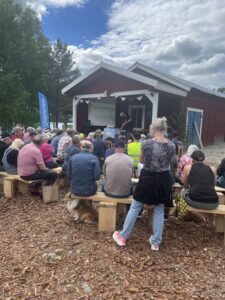
LIFE deltog i to arrangementer i Sverige, der fremhævede potentialet i underudnyttede fiskearter til at understøtte bæredygtige fødevaresystemer, sunne akvatiske økosystemer og levedygtige indlandsfiskerier. Den 13. juni deltog LIFE-personalet i Fiskefestivalen i Ede uden for Kälarne, som tiltrak over 400 besøgende for at smage på underudnyttede ferskvandsarter som skalle og brasen. Festivalen udsprang af et lokalt fiskeriforvaltningsprojekt, der havde til formål at reducere algeopblomstringer i Hemsjön ved at opfiske disse arter. I stedet for at kassere fangsten samarbejder lokale fiskere med mad-eksperter om at forvandle dem til innovative produkter, herunder fermenteret skalle, hvilket viser, hvordan såkaldt “skraldefisk” kan blive til værdifulde og bæredygtige fødevareressourcer.
Senere på måneden, den 27. juni, deltog LIFE i smagsarrangementet “Forgotten Fish” på Smaklabbet i Väderstad. Børn og unge deltog i en praktisk madlavningsworkshop med sortmundet kutling, en invasiv art fanget og leveret af LIFE-bestyrelsesmedlem Bengt Larsson, hvilket viser endnu et eksempel på, hvordan oversete fisk kan bringes ind i de private køkkener. Arrangementet bød også på paneldebatten “Forgotten Fish”, organiseret af Kålrotsakademien og kokken Stefan Eriksson, hvor LIFE's Aksel Ydrén deltog sammen med kokke, fiskere og madeksperter for at diskutere smag, bæredygtighed og rollen for underudnyttede arter i fremtidens mad.
19/6 Pressemøde: EU's fiskeri ved en korsvej
Forud for mødet i Ministerrådet for Landbrug og Fiskeri deltog LIFE's eksekutivsekretær Marta Cavallé i et pressemøde om fremtiden for EU's fiskeripolitik, som var arrangeret i fællesskab af en gruppe ngo'er for branchejournalister.
Briefingen kom på et afgørende tidspunkt for EU's fiskeriforvaltning, lige efter Europa-Kommissionens meddelelse om, at den forbereder en “Omnibus”-fiskeripakke for at forenkle den eksisterende lovgivning. Med den kommende havlov, visionen for fiskeri og akvakultur mod 2040, den næste Flerårige Finansielle Ramme og evaluering af den fælles fiskeripolitik (FFP) på bordet vil de kommende måneder forme fremtiden for Europas fiskeri i årtier fremover.
LIFE fremhævede, at de væsentligste mangler ved den felles fiskeripolitik ikke ligger i selve politikken, men i dens utilstrækkelige gennemførelse og håndhævelse i medlemsstaterne, som har svigtet lovgivningens ånd til fordel for storskala-interesser. Mens nogle interessenter opfordrer til en revision af den fælles fiskeripolitik, understregede LIFE, at der bør gives prioritet til fuldt ud at implementere den eksisterende ramme, styrke ansvarskrævelsen og opfylde dens målsætninger, før lovgivningen genåbnes. LIFE understregede desuden, at en ambitiøs havlov med bindende foranstaltninger til støtte for det kystnære fiskeri gennem en retfærdig tildeling af fiskerimuligheder og adgang til havarealer ville give mere umiddelbare og mærkbare resultater.
Disse spørgsmål var fremtrædende på det efterfølgende møde i AGRIFISH-rådet (22.-23. juni), hvor EU's fiskeriministre drøftede status for den fælles fiskeripolitik (FFP) og skød den årlige proces for fastsættelse af fiskerimuligheder for 2027 i gang. Mens Kommissionen rapporterede om fortsatte fremskridt hen imod et bæredygtigt fiskeri, anerkendte ministrene de igangværende udfordringer, herunder klimaændringer og behovet for at sikre sektorens langsigtet modstandsdygtighed og rentabilitet. Ministrene gennemgik også evalueringen af FFP og fremskridtene med den foreslåede finansieringsramme for EU's fiskeri for 2028-2034, idet drøftelserne var centreret om at sikre, at fremtidig finansiering understøtter vigtige prioriteter såsom dekarbonisering, fiskerikontrol og fiskeriforvaltning.
23/6: Kommissionen søger feedback om Flerårige planer for fiskeri (MAP) – LIFE-position
Europakommissionen planlægger at revidere fire af sine flerårige planer (MAP'er) – for Østersøen, Nordsøen, det vestlige og det vestlige Middelhav. Den har udsendt en opfordring til indsendelse af dokumentation (som nu er lukket) for at indhente synspunkter og indsamle videnskabelige, økosystembaserede og økonomiske data om fiskeri-MAP'er fra interessenter.
MAP'erne udgør et potentielt stærkt redskab til genopretning af fiskebestande og havmiljøets sundhed, til opnåelse af mangfoldige, bæredygtige og modstandsdygtige fiskerier, der danner grundlag for kystsamfundenes velstand.
LIFE kritiserer kraftigt den måde, hvorpå princippet om det maksimale bæredygtige udbytte (MSY) er blevet anvendt, og opfordrer til en reform af de flerårige planer (MAP), således at MSY anvendes til at reducere fiskeriintensiteten for alle kommercielle arter, samtidig med at der tages højde for bestandsstruktur og økosysteminteraktioner.
LIFE opfordrer også til, at der indbygges positive incitamenter i forvaltningsplanerne, som belønner selektivt fiskeri med lav påvirkning, til at etablere genopretningsområder for fiskeriet inden for 12-mils-zonen under samforvaltning, og til at styrke det lokalt ledede selvstyre. LIFE opfordrer endvidere EU-Kommissionen og medlemsstaterne til at indarbejde handlingsplaner for det kystnære småfiskeri.
7-9 Wexford, Irland – Irland er vært for EU Ocean Act-konferencen hvor delegerede vil mødes og diskutere udkastet til den europæiske havlov, en kommende EU-lov, der er planlagt til 2027, og som er designet til at ensrette havrelaterede politikker, styrke den maritime fysiske planlægning og fremme en bæredygtig udnyttelse af marine ressourcer. LIFE-medlemmer fra Irland vil deltage på vegne af platformen.
8/7 Online – Møde i Ocean Board for at informere om status for Ocean Pact Dashboard og Ocean Report


 Parallel to these broad legislative discussions, LIFE co-hosted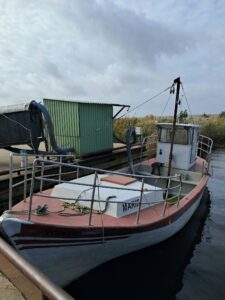
 12-13/10 Brussels – Make Fishing Fair Youth Forum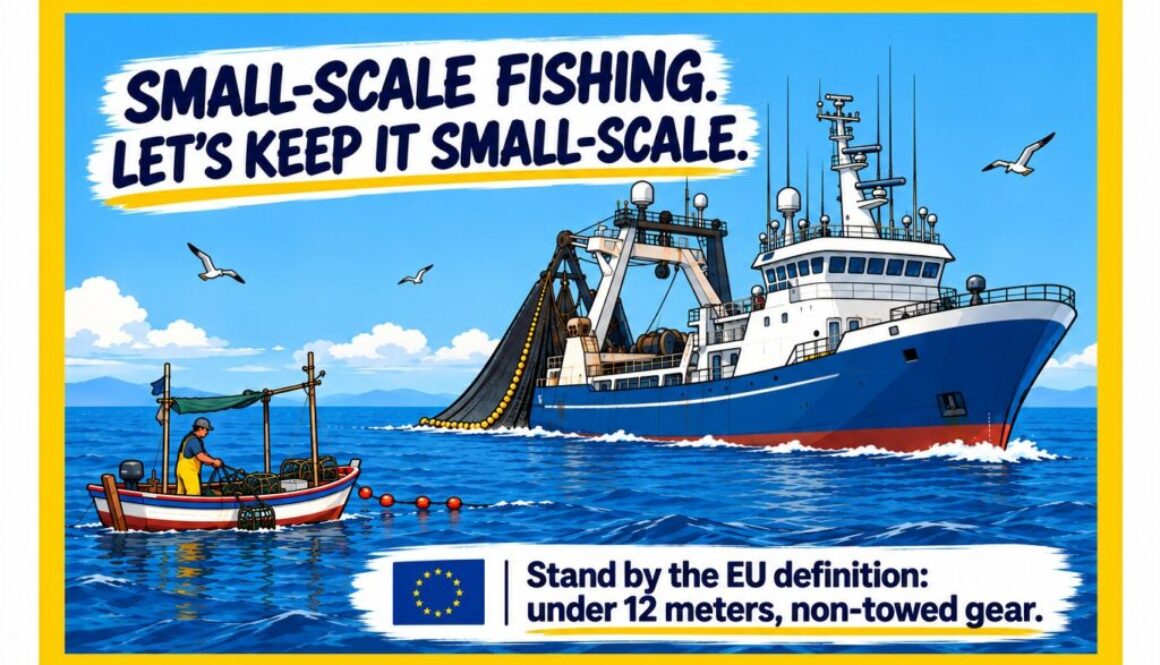
 Topmødet udgjorde dybest set en afgørende mulighed for at styrke samordningen på tværs af den globale bevægelse for små-skala fiskeri. Ved at samle førende transnationale alliancer – herunder Low Impact Fishers of Europe (LIFE), The African Confederation of Professional Organizations of Artisanal Fisheries (CAOPA), World Forum of Fisher Peoples (WFFP) og World Forum of Fish Harvesters and Fish Workers (WFF), Union of Latin American Small-scale Fishers (ULAPA), International Treaty Council (IITC), African Women Fish Processors and Traders Network (AWFISHNET), Community-Based Fisheries Dialogue’s Advisory Group (CBFD AG) – koordinerede delegerede fælles politiske udmeldinger til COFI. Dette kollektive momentum forsterker behovet for global advocacy og giver øget synlighed til relevante initiativer såsom

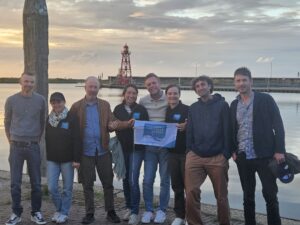 LIFE-holdet tilbragte en intensiv og inspirerende uge i fiskeribyen Den Oever i Holland. Med ekspertvejledning af
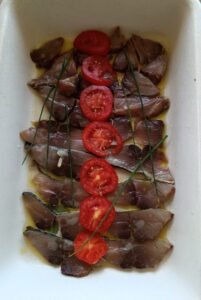 LIFE-holdmedlem Claudia Orlandini besøgte de italienske LIFE-medlemmer fra Cooperativa San Leopoldo på den toscanske kyst. Besøget omfattede en rundvisning på kooperativets forarbejdningsenhed, hvor små mængder fangst omdannes til produkter af høj kvalitet med merværdi. Disse omfatter tun, gråmulte og muslinger konserveret i olie eller tilberedt i vakuumemballerede formater. Denne tilgang gør det muligt for kooperativet at udnytte produkter i mindre mængder bedre, samtidig med at deres værdi øges, og holdbarheden forlænges.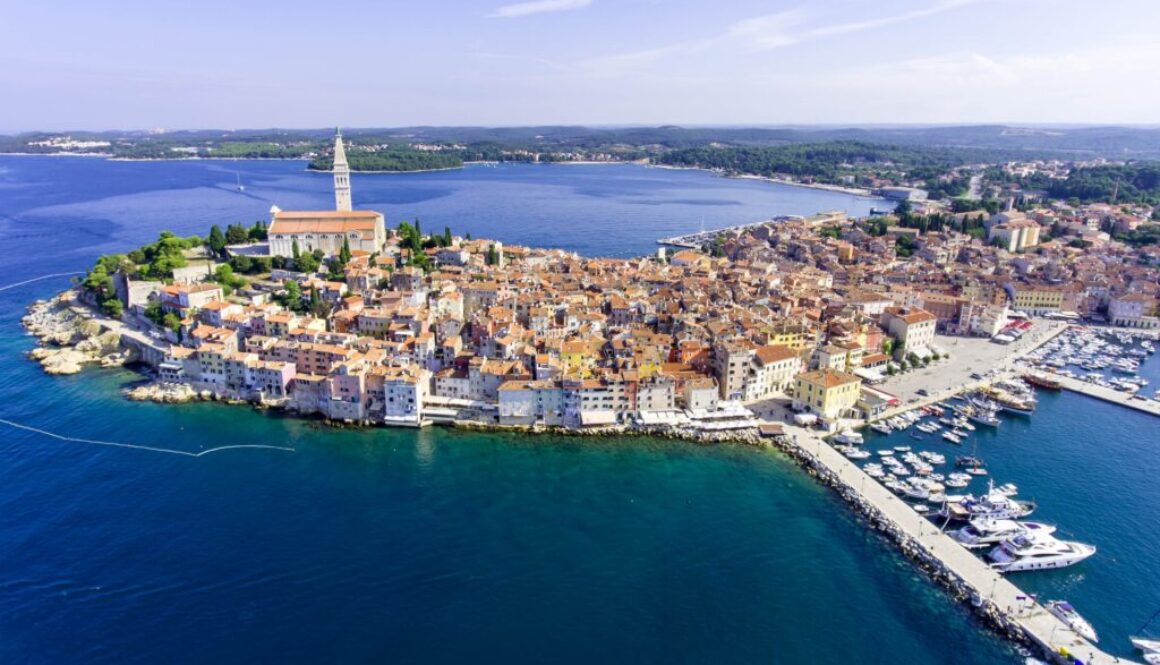

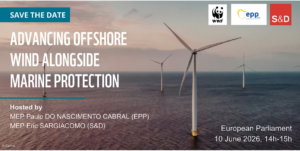 LIFE deltog i Europa-Parlamentets arrangement “Advancing Offshore Wind Alongside Marine Protection”, som var værtskabt af MEP'erne Paulo do Nascimento Cabral og Eric Sargiacomo. Diskussionen samlede beslutningstagere, industrien og offentlige myndigheder for at udforske fremtiden for havvind i de europæiske have.