In April 2026, the Commission launched a public consultation to help shape the European Ocean Act, a key legislative proposal under the European Ocean Pact set for adoption in 2026. The Ocean Act aims to strengthen ocean governance in the EU, serving as a single reference point for all economic, climate, environmental, and social targets designed to protect and sustainably use ocean resources.
The consultation ran until 16 July 2026; LIFE contribution and related documents are available below:
News about fair fisheries, healthy seas and vibrant fishing communities
3/6 European Parliament PECH Committee: Looking Ahead to the Future of the CFP
LIFE staff attended the June meeting of the European Parliament’s Committee on Fisheries (PECH), where Commissioner Costas Kadis presented the evaluation of the Common Fisheries Policy (CFP) as part of the Structured Dialogue with Members of the European Parliament.
The meeting provided an important opportunity to take stock of the CFP’s implementation and discuss its future direction, alongside broader initiatives shaping EU fisheries and maritime policy. While calls for a revision of the CFP are gaining momentum among other interests, LIFE’s assessment coincides with the main European Commission evaluation conclusion, which is that many of the CFP’s shortcomings arise not from the policy framework itself, but from inconsistent implementation and enforcement by Member States. You can review LIFE’s complete analysis on the evaluation of the CFP here.
The Committee also examined the European Commission’s proposal for the National and Regional Partnership (NRP) Fund for the 2028–2034 programming period. The proposed regulation aims to establish the framework for EU financial support to the Common Fisheries Policy, the European Ocean Pact, and the Union’s maritime and aquaculture policies. German MEP Niclas Herbst (EPP) is the rapporteur nominated by Pech to respond to the EC proposal.
A central theme of the discussion was the sector’s energy transition, which is expected to require significant investment in the coming years. While recognising the importance of supporting this transition, LIFE’s position (see news item below) is that dedicated, ring-fenced funding for the small-scale fisheries sector is essential to ensure the segment can fully benefit from future EU funding opportunities.
LIFE will continue to closely follow these discussions and engage with EU institutions to ensure that the interests and needs of small-scale, low-impact fishers are fully reflected in the future policy and funding framework.
9/6 LIFE’s Position on the Future Fisheries Fund and the Definition of Small-Scale Fisheries
MEP Niclas Herbst (EPP), the Pech Committee Rapporteur for the renewal of EU sectoral support to the Common Fisheries Policy, the European Ocean Pact and the Union’s maritime and aquaculture policy as part of the National and Regional Partnership Fund (NRP Fund) for the period from 2028 to 2034, presented his draft report in the European Parliament.
9-11/6 LIFE attends EU Sustainable Energy Week on behalf of the Seaglow projet
LIFE attended the EU Sustainable Energy Week (EUSEW) in Brussels as a partner in the SEAGLOW project.
The event brought together policymakers, researchers, businesses, and EU-funded projects to discuss how Europe can accelerate the transition to clean energy. It also offered a valuable opportunity to connect with representatives from CINEA – the European Climate, Infrastructure and Environment Executive Agency – and exchange experiences with other initiatives working towards a more sustainable future.
This year’s central message was clear: the energy transition must be inclusive. As part of the SEAGLOW consortium and through its broader advocacy work, LIFE is committed to ensuring that small-scale fisheries are not left behind. Supporting the sector’s transition to cleaner and more energy-efficient technologies requires policies and investments that are fair, accessible, and tailored to the realities of small-scale fisheries, enabling fishers to play an active role in building a more tomorrow’s blue economy.
10/6 Advancing Offshore Wind – what role for small-scale fisheries?
LIFE participated in the European Parliament event “Advancing Offshore Wind Alongside Marine Protection”, hosted by MEPs Paulo do Nascimento Cabral and Eric Sargiacomo. The discussion brought together policymakers, industry and public authorities to explore the future of offshore wind in European seas.
For LIFE, the debate reinforced a clear message: while Europe’s energy transition and climate resilience goals are rightly high on the political agenda, they must not come at the expense of small-scale fisheries. As offshore wind developments expand, many coastal fishers are facing reduced access to traditional fishing grounds, increasing competition for marine space, and new operational and safety challenges.
LIFE will continue working closely with fishing communities across Europe to better understand these impacts and advocate for marine spatial planning that recognises the tenure rights and essential role of small-scale fisheries. Achieving Europe’s renewable energy ambitions must go hand in hand with protecting the livelihoods, cultural heritage, and the future of the coastal communities that depend on healthy seas.
12/6 LIFE Contributes to the Stakeholders Roundtable on the European Ocean Act
To achieve the Ocean Pact’s targets, the Commission will present an Ocean Act by 2027, a single framework to facilitate the implementation of the Pact’s key objectives, while cutting red tape. It will be based on a revised Maritime Spatial Planning Directive, which will enhance cross-sectoral coordination and sea basin management.
LIFE Executive Secretary Marta Cavallé participated in a stakeholder roundtable on the forthcoming European Ocean Act, convened by the Oceano Azul Foundation, Europe Jacques Delors, and Seas At Risk. The roundtable focused on the first pillar of the European Ocean Pact—”Ocean, Climate and Planetary Health”—and brought together representatives from industry, civil society, academia, EU institutions, and Member States to develop recommendations for the future Ocean Act.
The objective was to identify common priorities and develop concrete, legally and politically feasible recommendations to help shape the forthcoming European Ocean Act. Discussions focused on aligning the revisions of the Maritime Spatial Planning and Marine Strategy Framework Directives, strengthening the effective management of Marine Protected Areas and ocean restoration, and improving coherence between ocean and other policy areas, particularly at the land-sea interface.
LIFE underscored that the European Ocean Act needs to provide the legal clarity necessary to operationalise the prioritisation of small-scale fisheries mentioned in the Ocean Pact, detailing exactly how to halt their current decline, strengthen resilience and help achieve future potential. Marta mentioned that “we cannot keep undervaluing and overlooking this sector. Instead, the ocean act should recognise it as a strategic one that should play a central role going forward, and establish a specific target for a binding Plan of Action for Small-Scale Fisheries in Europe”.
LIFE’s views is that in order to mitigate risks from larger-scale blue economy sectors, the Ocean Act must protect coastal communities from significant environmental and socio-economic harm. It should establish regenerative areas, granting preferential access to small-scale, low-impact fishers and activities within the 12 miles zone. These areas should be managed through co-management schemes to ensure equitable governance and sustainability.
13/6 and 27/6 Promoting underutilised fish species in Sweden
LIFE took part in two events in Sweden highlighting the potential of underutilised fish species to support sustainable food systems, healthy aquatic ecosystems, and viable inland fisheries. On 13 June, LIFE staff attended the Fish Festival in Ede, outside Kälarne, which attracted over 400 visitors to taste underutilised freshwater species such as roach and bream. The festival grew out of a local fishery management project aimed at reducing algae blooms in Lake Hemsjön by harvesting these species. Rather than discarding the catch, local fishers collaborate with food experts to transform them into innovative products, including fermented roach, demonstrating how so-called “trash fish” can become valuable and sustainable food resources.
Later in the month, on 27 June, LIFE participated in the “Forgotten Fish” tasting event at Smaklabbet in Väderstad. Children and teenagers took part in a hands-on cooking workshop using round goby, an invasive species caught and supplied by LIFE Board Member Bengt Larsson, showcasing another example of how overlooked fish can be brought into home kitchens. The event also featured the “Forgotten Fish” panel discussion, organised by Kålrotsakademien and chef Stefan Eriksson, where LIFE’s Aksel Ydrén joined chefs, fishers, and food experts to discuss taste, sustainability, and the role of underutilised species in the future of food.
19/6 Press briefing: EU fisheries at a crossroads
Ahead of the AGRIFISH Council of Ministers meeting, LIFE Executive Secretary Marta Cavallé took part in a press briefing on the future of EU fisheries policy, organised jointly by a group of NGOs for sector journalists.
The briefing came at a pivotal moment for European fisheries governance, just following the European Commission’s announcement that it is preparing a fisheries “Omnibus” package to simplify existing legislation. With the upcoming Ocean Act, the Fisheries and Aquaculture Vision 2040, the next Multiannual Financial Framework, and the evaluation of the Common Fisheries Policy (CFP) all on the table, the coming months will shape the future of Europe’s fisheries for years to come.
LIFE highlighted that the main shortcomings of the CFP lie not in the policy itself, but in its inadequate implementation and enforcement across Member States, which have failed to uphold the spirit of the legislation while favouring large-scale interests. While some stakeholders are calling for a revision of the CFP, LIFE stressed that priority should be given to fully implementing the existing framework, strengthening accountability, and delivering on its objectives before reopening the legislation. LIFE also emphasised that an ambitious Ocean Act, with binding measures to support Small-Scale Fisheries through the fair allocation of fishing opportunities and access to marine space, would deliver more immediate and tangible results.
These issues featured prominently in the subsequent AGRIFISH Council of Ministers (22–23/6), where EU fisheries ministers discussed the state of the CFP and launched the annual process for setting fishing opportunities for 2027. While the Commission reported continued progress towards sustainable fisheries, Ministers acknowledged ongoing challenges, including climate change and the need to ensure the long-term resilience and profitability of the sector. Ministers also reviewed the evaluation of the CFP and progress on the proposed 2028–2034 EU fisheries funding framework, focusing discussions on ensuring future funding supports key priorities such as decarbonisation, fisheries control, and fisheries management.
23/6 Commission seeks feedback on fisheries multiannual plans (MAPs) – LIFE position
The European Commission plans to review four of its Multiannual Plans (MAPs) – for the Baltic Sea, the North Sea, the Western Waters and the Western Mediterranean. It has issued a call for evidence (now closed) to obtain views and gather scientific, ecosystem and economic data on fisheries MAPs from stakeholders.
The MAPs provide a potentially powerful tool for restoring fish stocks and marine ecosystem health, for achieving diverse, sustainable and resilient fisheries, underpinning coastal communities’ prosperity.
LIFE is highly critical of the way that Maximum Sustainable Yield (MSY) has been applied, and calls for reforming the MAPs, with MSY being applied to reduce fishing intensity for all commercial species, while accounting for stock structure and ecosystem interactions.
LIFE also calls for MAPs to build in positive incentives that reward selective and low impact fishing, to establish fisheries regenerative areas within the 12 mile zone under co-management, and to strengthen community led governance. LIFE also urges the EC and Member States to include action plans for small-scale coastal fishing.
7-9 Wexford, Ireland – Ireland is hosting will host the EU Ocean Act Conference at which delegates will meet and discuss the draft European Ocean Act, a forthcoming EU law, planned for 2027, designed to unify ocean-related policies, strengthen maritime spatial planning, and promote sustainable use of marine resources. LIFE members from Ireland are going to attend on behalf of the Platform.
8/7 Online – Meeting of the Ocean Board to inform about the state of the Ocean Pact Dashboard and Ocean Report
News about fair fisheries, healthy seas and vibrant fishing communities
CFP Evaluation Report: Europe Must Do Better for Small-Scale Fishers
The analysis of the evaluation of the CFP through the lens of the Low Impact Fishers of Europe (LIFE) reveals a general shared acknowledgement that the primary challenge is not the rules themselves but mostly inconsistent implementation and enforcement across Member States, but it disagrees on the positive trend presented in the evaluation on the sustainability of stocks, which LIFE claims is not borne out by reality.
A number of challenges persist for small-scale fisheries. The evaluation highlights shortcomings in the delivery of the CFP’s social and economic objectives, including securing a fair standard of living for fishers. Key provisions related to access to space, allocation of fishing opportunities and stakeholder participation remain insufficiently implemented. Although the evaluation does not include a dedicated assessment of Article 17, it confirms that small-scale fishers still face significant barriers to accessing fishing opportunities. Regarding Articles 5 and 20, it found no cases where the 12-nautical-mile zone is formally reserved for small-scale coastal fisheries. The evaluation also highlights that structural imbalances and problems of representativeness persist in the Advisory Councils.
LIFE and the evaluation agree that the Landing Obligation and fleet capacity measures have largely failed due to poor implementation, weak enforcement, and numerous exemptions, with little uptake of more selective fishing practices. This has contributed to fisheries mismanagement and reduced resilience. However, LIFE considers it a significant omission that the evaluation fails to link the shortcomings of the Landing Obligation to the inadequate implementation of Article 17.
As discussions begin on the future of EU fisheries policy, LIFE calls for stronger accountability, better implementation and enforcement of existing rules, and greater recognition and a binding mandate for Member States to support the role that small-scale, low-impact fisheries play in supporting sustainable food systems and resilient coastal communities through the Ocean Act. LIFE PR is available here, and position paper here.
4/5 Can we save the eel by eating it? Gastronomy and heritage in focus
LIFE participated in an interdisciplinary research seminar hosted by the University of Gothenburg at Talldungens Gårdshotell in Brösarp, Sweden. The workshop gathered researchers, small-scale fishers, chefs, and environmental organisations to explore how local gastronomy and culinary heritage can play a role in saving the critically endangered European eel.
The day featured open discussions on sustainability and coastal identity, alongside a presentation by eel scientist Willem Dekker. For LIFE, the event was a valuable opportunity to highlight the realities of the small-scale sector, including gear development to selectively fish round goby and avoid eel bycatch. The seminar concluded with group sessions to lay the groundwork for future joint research and practical collaborations.
6/5 LIFE at the European Parliament: Competitiveness and the Future of Small-Scale Fisheries
LIFE was represented by Marta Cavallé, Executive Secretary, who took part in the second part of the hearing, dedicated to boosting the competitiveness of the fisheries and aquaculture sectors.
During the presentation, Marta highlighted the need for moving from decline to a thriving, fair and sustainable small-scale fishing sector across Europe. For that, she highlighted the 6 main factors affecting competitiveness of the small-scale fishing fleet (environmental factors, lack of access to resources, spatial squeeze, lack of access to markets, lack of dedicated support, barriers to enter the profession) and what LIFE suggests to counter the negative trend. She also underlined the need for a dedicated Action Plan for Small-Scale Fisheries within the forthcoming European Ocean Act, calling for a change of course that places small-scale, low-impact fishers at the centre of Ocean Policy.
The hearing provided an important opportunity to bring the voice of small-scale fishers to the European Parliament and contribute to ongoing discussions on the future competitiveness of the sector.
14/5 Highlights from the LIFE Board of Directors Meeting
The LIFE Board of Directors met to discuss the latest policy developments.
LIFE reported on its participation in the first meeting of the European Ocean Board and in a European Parliament Fisheries Committee hearing on competitiveness and simplification, reflecting growing recognition of the organisation and greater visibility for the small-scale sector at EU level.
The Board reviewed the recently published evaluation of the Common Fisheries Policy (CFP), which confirms that many socio-economic objectives for small-scale fisheries remain unmet. Members stressed the need for stronger implementation, accountability and fairer access to resources.
Discussions on the new Fisheries Control Regulation highlighted concerns that several requirements are not adapted to the realities of small-scale fishing operations, particularly regarding reporting and weighing requirements before landing and compliance costs.
Members also exchanged updates on fuel subsidy schemes across Europe, noting significant disparities and calling for fairer support mechanisms that better reflect the needs of small-scale fishers.
21/5 European Parliament Plenary adopts Resolution on the Baltic Sea Multi-Annual Plan (MAP)
The own initiative report (INI) on the Baltic MAP, initiated by the Swedish Green MEP, Isabella Lövin, was adopted by the European Parliament. The MAP, in place since 2016, was meant to support successful fish stock management but has failed to deliver on its core objectives. The report contains 59 measures that are aimed at improving the current management system moving forward. These include a ban on industrial trawling for fishmeal when stocks are in bad shape, adding more precaution to the scientific advice process so as to ensure there are more fish in the sea with higher biomass thresholds in place, as well as integrating the requirements under the Marine Strategy Framework Directive to ensure that fish populations have a healthy age and size distribution.
20-23/5 European Maritime Day 2026: Small-Scale Fishers Engage in Shaping Future EU Fisheries Policy
In discussions on the future Multiannual Financial Framework (MFF), the delegation called for a dedicated, ring-fenced budget for small-scale fisheries and for funding instruments that are accessible, proportionate and capable of supporting the resilience, innovation and long-term viability of coastal fishing communities.
Debates on the European Ocean Act highlighted the need to secure fair access to resources and maritime space for small-scale fishers, with the 12-mile zone being reserved for small-scale, low-impact operations. Additionally, strengthening co-management approaches should be a central pillar of the sustainable blue economy. The delegation also advocated for the inclusion of a European Plan of Action for Small-Scale Fisheries within the Ocean Act. In this context, they also engaged with and supported Cypriot fishers in their call for a National Plan of Action for Small-Scale Fisheries, demonstrating the alignment to act at European and national level.
The delegation also engaged in exchanges on the Roadmap for the Energy Transition of EU Fisheries and Aquaculture, underlining that decarbonisation objectives must be accompanied by adequate financial support, appropriate technologies and practical solutions adapted to the realities of small-scale fleets.
A consistent message throughout the event was that the success of these policy initiatives will depend on the meaningful participation of small-scale fishers in both their design and implementation.
20/5 A Positive Signal for Small-Scale Fishers in Maritime Spatial Planning
The Resolution calls for a more balanced and inclusive approach to maritime spatial planning, with stronger stakeholder participation, better assessment of socio-economic impacts, and greater recognition of fisheries and aquaculture as strategic sectors for food security and coastal resilience. It also highlights the importance of safeguarding access to fishing grounds via “preferential access within the 12 nautical mile zone for small-scale fisheries, low-impact activities and conservation projects”, and ensuring that small-scale fishers are meaningfully involved in planning processes.
26/5 – Commission Opens Consultation on Fisheries Management Plans
The European Commission has launched a call for evidence on the EU’s Multiannual Fisheries Management Plans (MAPs), seeking feedback from stakeholders on provisions that have proven difficult to implement and their impacts on fisheries management and the sector’s viability. The review forms part of the Commission’s broader efforts to improve and simplify fisheries management while maintaining the objectives of the Common Fisheries Policy.
25–26/5 Visit to West Coast Fisher with Chefs, Exploring Future Opportunities
Bobo Johansson owner of Bobos Fisk @LIFE
LIFE visited Swedish west coast fisher Bobo Johansson owner of Bobos Fisk, together with chefs from Seafood Gastro (1 Michelin star, Grand Hôtel Stockholm). Bobos Fisk specialises in shellfish fisheries using passive gears and has previously participated in trials with shrimp pots as an alternative to bottom trawling.
The visit focused on exploring new seafood opportunities and strengthening cooperation between fishers and chefs. Gullmarsfjorden is set to become Sweden’s first marine protected area where bottom trawling will be fully phased out from 2027, creating unique opportunities for the development of selective, low-impact fisheries and new value chains based on high-quality seafood products.
28-29/5 ICES advice published
The scientific advice on fishing opportunities for the Baltic Sea in 2027 was published by ICES and the rollercoaster is set to continue next year with stock growth and recovery once again left off the agenda.
At last year’s October Council (p.13) a clear commitment was made by the EU to reform the scientific approach to management to ensure that the advice would support healthy fish stocks. It is regrettable that this has yet to be delivered.
LIFE is critical to the current approach to scientific advice, as it does not deliver healthy stocks or sustainable catches. For the coming year, the output from ICES states that quotas for the Central and Bothnian herring stocks can be more than doubled, even though the biomass levels are below threshold values. The cod fishery will likely continue to be closed, and the salmon stocks are still assessed as being in poor shape.
Coming up:
9-11/6 Brussels – EU Sustainable Energy Week, the largest annual event in Europe dedicated to promoting secure, clean and efficient energy.
13/6 Jämtland, Sweden – Fish Festival – Promoting Sustainable Freshwater Fisheries at Lilla Ede Gård in Kälarne, central Sweden. The festival brings together fishers, food producers, chefs and the public to explore how underutilised freshwater species can contribute to more sustainable food systems.
15-6/7 Inter-AC Meeting and Dialogue with Stakeholders
In the press
The Commission published its annual communication on the state of EU fisheries, taking stock of progress towards sustainable fishing and setting the course for the upcoming cycle of fishing opportunities for 2027.
LIFE welcomes key elements of the draft report presented by PECH Rapporteur Niclas Herbst on the future financing of EU fisheries and aquaculture under the 2028–2034 Multiannual Financial Framework. In particular, the proposal to ring-fence funding for the sector and preserve a dedicated fisheries and aquaculture funding stream is an important step towards ensuring that support reaches fishing communities.
However, LIFE is concerned that the proposed revision of the definition of small-scale coastal fisheries could create significant loopholes, allowing larger and more environmentally impactful vessels to qualify for support intended for genuinely small-scale operators. To ensure that funding delivers its intended social, economic and environmental benefits, LIFE calls for maintaining the current EMFAF definition of small-scale fisheries and for establishing a dedicated support system tailored to the realities of the sector.
The European Commission’s evaluation of the Common Fisheries Policy (CFP) echoes concerns raised by the Low Impact Fishers of Europe (LIFE) that its core goals are not being adequately delivered. Despite progress in some areas, both assessments highlight continuing shortcomings in achieving long-term sustainability and securing a fair standard of living, particularly for small-scale, low-impact fishers.
Importantly, both the Commission and LIFE conclude that these shortcomings stem less from the CFP framework itself than from uneven implementation and enforcement by Member States. This analysis examines where the two perspectives align, where they differ, and what these findings mean for the future of European fisheries management.
This year’s European Maritime Day 2026 in Cyprus provided an important platform for the #MakeFishingFair delegation to bring the perspectives, concerns and lived realities of Europe’s small-scale fishers into the heart of the debate on the future of our seas.
Across two full days of exchanges with policy-makers, stakeholders and local fishing communities, the delegation contributed to a series of timely and urgent discussions on the mounting pressures facing the sector, while also reaffirming the indispensable role that small-scale fisheries must play in shaping Europe’s maritime future.
The conversations reflected a sector navigating profound uncertainty. From declining fish stocks and intensifying competition for maritime space, to the accelerating impacts of climate change, exclusion from decision-making processes and the growing challenge of attracting younger generations into the profession, small-scale fishers across Europe are confronting a rapidly changing reality.
Yet amid these challenges, one message emerged with clarity and conviction: small-scale fishers possess a depth of knowledge, experience and practical wisdom that is too often overlooked. When their voices are genuinely heard and their contribution properly recognised, they become essential partners in restoring balance between environmental sustainability, social wellbeing and economic resilience within coastal communities.
The Low Impact Fishers of Europe (LIFE) and Blue Ventures, co-leading the #MakeFishingFair Campaign, will continue working in the months ahead to address the many policy uncertainties that remain on the horizon and to ensure that small-scale fishers continue to play a central role in shaping the future of Europe’s seas.
Yesterday in Strasbourg, in Plenary Session, the European Parliament adopted a motion for a Resolution on “the impact of the implementation of the Maritime Spatial Planning Directive 2014/89/EU on fisheries in selected fishing areas and sea basins”, reflecting many of the priorities currently being raised by small-scale fishers at European Maritime Day in Cyprus.
The Low Impact Fishers of Europe (LIFE) welcomes the adoption of the European Parliament’s Motion for a Resolution on Maritime Spatial Planning (MSP). The Resolution paves the way for developing the Ocean Act, a new piece of framework legislation which aims to strengthen ocean governance in the EU, serving as a single reference point for all economic, climate, environmental, and social targets to protect and sustainably use ocean resources. It is set for adoption in 2026.
The Resolution is also timely in the sense that coastal waters are increasingly dominated by big, financially powerful and politically influential players, encouraged by the rise of the Blue Economy and the green transition towards off-shore renewable energy. A red carpet has been rolled out for them, and fisheries are essentially being squeezed out in a highly unfair, unstructured and destructive process.
In its current form, “the MSP directive tends to favour the expansion of capital-intensive and spatially exclusive economic activities, which could marginalise traditional, mobile and collective uses of the sea, in particular fishing”, legislators note. “Fisheries and aquaculture are strategic sectors for the security and sovereignty of the EU, particularly in terms of food security and maritime sovereignty, and contribute to the competitiveness and resilience of coastal communities”, and “the strategic value of these sectors should therefore be duly recognised in MSP”, they point out, noting that: “ensuring sufficient, balanced and predictable access to maritime space is therefore essential for developing competitive EU fisheries, as recognised by the European Ocean Pact”.
The Resolution laments that the “current MSP legal framework has not satisfactorily delivered the expected benefits for fisheries”. For this to happen, “MSP must be inclusive, ensuring the early, continuous and effective involvement of all relevant stakeholders, including fishers and shellfish gatherers and their representative organisations, and communities in the outermost regions, through a bottom-up approach and throughout the decision-making process, ensuring that this involvement is appropriate, meaningful and not limited to a merely consultative role”.
The Resolution highlights “the essential role of small-scale fishing”, and calls for “MSP to take this segment fully into account, particularly in terms of access to space, proximity to fishing grounds and the safety of activities”. It calls for “ a differentiated approach to the management of small-scale fisheries that includes preferential access within the 12 nautical mile zone for small-scale fisheries, low-impact activities and conservation projects”.
These recommendations are closely aligned with the LIFE and Blue Ventures “Make Fishing Fair Roadmap”, which calls for an “Action Plan for Small-Scale Fisheries in Europe by 2026” and is currently being presented by a delegation of fishers at European Maritime Day in Cyprus. They also echo the Joint Call to Action for the Future of Small-Scale Fisheries, issued by the Union of Small-Scale Fishers of Cyprus during the same forum, reflecting growing momentum across Europe for fairer, more inclusive, and more resilient small-scale fisheries policies.
MEPs are calling for the implementation of a bottom-up, balanced, multi-use approach to MSP that would aim to avoid adverse effects on marine resources and biodiversity, and therefore on fisheries and aquaculture, and would ensure that these activities are not excluded from the maritime space. Their resolution highlights that “co-location of activities, such as fixed or floating offshore wind infrastructure can also be used to develop aquaculture, shellfish and algae farming and for the protection of habitats for marine fauna and flora or regenerative activities and for fisheries activities such as passive and low-impact fisheries”.
Four of its recommendations are particularly important for small-scale coastal fisheries, namely the call for:
an increase in reserved areas dedicated to small-scale low impact inshore fishing within the 12 nautical mile zone and underpinned by co-management regimes
the Commission and the Member States to recognise fisheries as a strategic and priority user of maritime space, essential to EU food sovereignty and food security, coastal employment and strategic autonomy, and to reflect this status explicitly in maritime spatial plans and in the forthcoming revision of the MSP Directive;
a differentiated approach to the management of small-scale fisheries that includes preferential access within the 12 nautical mile zone for small-scale fisheries, low-impact activities and conservation projects; and
co-management to be the model for governance and decision-making in MSP; with the benefits of allowing for the direct involvement of stakeholders, better management of fishery resources, the sharing of best practice and an approach tailored to local realities, particularly when it builds on existing and proven structures and on the practical knowledge of local fishing communities and other structures such as RFMOs. It stresses that co-management can also help promote generational renewal in the sector and strengthen the economic resilience of small-scale and coastal fleets.
Whilst LIFE regrets that the Resolution falls short of calling for an Action Plan for Small-scale Fisheries in Europe, it does pave the way for such an Action Plan to be included in the Ocean Act going forward. Such a plan should be built on the principles of the FAO Voluntary Guidelines on Small-Scale Fisheries (SSF Guidelines) and establish a differentiated policy and management approach for SSF and larger-scale fisheries.
This plan should include concrete measures with a binding timeline for the European Institutions and Member States to follow, with the following main objectives, to:
Restore fish stocks using better science and traditional knowledge to rebuild ecosystem health
Protect SSF from competing impactful blue economy sectors by securing preferential access and tenure within the territorial waters, extending out to the 6 mile and 12-nautical mile zone where appropriate
Apply adaptive co-management systems in all coastal areas
Ensure fair allocation of fishing opportunities based on social, economic and environmental criteria
Foster generational renewal by removing barriers and providing incentives, offering training, mentorship and decent livelihoods for young fishers.
Build resilient communities able to adapt to climate change
Guarantee fair access to sectoral support and markets
Promote gender equity by recognising womenʼs contributions and ensuring equal participation and opportunities.
As Europe moves towards a new Ocean Act, the message from both policymakers and fishing communities is becoming increasingly clear: maritime governance can no longer be shaped solely around industrial expansion and competing blue economy interests. Small-scale fisheries must be recognised as strategic actors in ensuring sustaining coastal livelihoods, preserving cultural heritage, and stewarding marine ecosystems.
The European Parliament’s Resolution marks an important political step towards a more balanced, democratic and socially just approach to Maritime Spatial Planning. The challenge now will be to translate these principles into binding measures, effective co-management systems, and concrete protections for small-scale fishers on the water. For LIFE and its partners, the forthcoming Ocean Act represents a crucial opportunity to place fairness and inclusion at the heart of Europe’s ocean future.
News about fair fisheries, healthy seas and vibrant fishing communities
Welcome on board to two new member organisations!
The Low Impact Fishers of Europe (LIFE) is pleased to welcome two new member organisations, further strengthening its presence and representation across the Mediterranean region.
Cooperativa San Leopoldo (Tuscany, Italy) is a cooperative committed to sustainable fishing practices and the development of local coastal communities. Its activities include fishing, seafood processing, restocking initiatives, and environmental protection, contributing to both economic opportunities for its members and the stewardship of marine resources.
Producer Organisation Fishing Cooperative Komiža (Vis, Croatia) represents fishers from one of the Adriatic’s most emblematic islands. The organisation plays an important role in promoting low-impact fisheries, enhancing market access, and preserving the island’s maritime heritage.
As of today, LIFE counts 40 member organisations across 18 countries, reflecting the growing strength and diversity of its network.
Their accession reinforces LIFE’s collective voice in the Mediterranean and contributes to advancing its mission to support small-scale, low-impact fisheries across Europe.
“The Island Fisherman”: Arranmore Song Captures Irish Island Spirit
Irish island fishers have a song dedicated to them. Written by Mr John Gallagher, a resident on Arranmore, in Ireland, with a long family connection to the island – his mother is the island’s oldest resident, and he comes from generations of Arranmore fishermen. “Island life has always been central to my family identity” he says. A songwriter who has collaborated with his cousin Jerry Early, Chairperson of IIMRO (a LIFE member), on songs about island life, Gallagher said he was inspired to write a song after fishing restrictions caused anger and frustration throughout the community. He was encouraged, particularly, by island fisherman Neillie Kavanagh to write the piece in support of fair treatment for island fishing communities. “The song tries to capture the emotions and resilience of the people involved” Gallagher said. The track is available on his YouTube channel and on major streaming platforms.
1/4 A practical definition of EU small-scale fisheries: LIFE’s position
The Low Impact Fishers of Europe (LIFE) has released its position on how small-scale fisheries should be defined in Europe, emphasising the need for a coherent and workable approach at EU level.
LIFE advocates for the definition used under the European Maritime, Fisheries and Aquaculture Fund (EMFAF), which refers to vessels under 12 metres in length using non-towed gears. In its view, adopting a common definition is essential to ensure a fair application of Article 17 of the Common Fisheries Policy, to facilitate the sector’s energy transition, and to reinforce the role of small-scale fisheries in EU decision-making.
While acknowledging that other definitions exist, LIFE stresses that overly complex and too broad approaches will limit their practical use, defeating its final purpose and risking misuse. A straightforward and operational definition is crucial to effectively support fishers and sustain coastal communities across Europe.
14/4 French LIFE Members of the Brittany Handliners Association Meet with the European Commission in Brittany
LIFE French members from Brittany and EU Commission officials @LPD
The Brittany Handliners Association, including Gwen Pennarun, LIFE President, met with the European Commission and national representatives during a field visit to Brittany. Discussions with officials, including Maja Kirchner and Caroline Alibert-Deprez, provided an opportunity to raise key concerns from the sector.
Fishers highlighted issues with the management of sea bass and pollack, pointing to inconsistencies between reported stock recovery and observations at sea, including declining fish sizes and catches by the industrial fleet remaining below authorised limits. Concerns were also raised about unstable management measures and reduced quotas in some areas.
More broadly, the fishers reaffirmed their support for a sustainable and diverse small-scale fishing model, while stressing the need for fair access to resources and better conditions for generational renewal. The current quota system, based largely on historical catches, was identified as a major barrier for small-scale and young fishers.
The meeting offered an important opportunity to highlight the challenges facing coastal fisheries and to call for more equitable and sustainable management approaches.
15/4 Pressures on the sector and longer-term funding priorities at the centre of the PECH Committee agenda
At the meeting in April, MEPs called for a revision of the Baltic Sea multiannual plan. The Committee adopted a report by Isabella Lövin (The Greens) urging the European Commission and the Council to use legal tools to halt the decline of fish stocks. Interestingly, the report calls for an assessment of how quotas are distributed among fleet segments, to better understand any link between resource pressure and allocation systems. Increased social and financial support for affected fishers and coastal communities was also highlighted.
On rising fuel costs linked to the geopolitical situation, the Commission presented support measures available under the European Maritime, Fisheries and Aquaculture Fund (EMFAF). Since 10 April, Member States can activate emergency compensation. While most MEPs supported this approach, concerns were raised about budgetary trade-offs and the impact on other EMFAF-funded actions. Several Members called for complementary measures, including national subsidies, fuel price interventions, and greater flexibility under State aid rules. The Commission pointed to the need for longer-term structural responses, particularly through the energy transition, to be addressed in the upcoming Common Fisheries Policy review and the Vision 2040 process.
The Committee also discussed the draft opinion on the future EU funding framework (2028–2034), presented by André Franqueira Rodríguez (S&D). Priorities include reducing competition with other sectors for funding, supporting generational renewal, advancing fleet decarbonisation, and ensuring continued support for outermost regions. MEPs across political groups broadly welcomed the proposal as a basis for negotiation. Different issues were also raised, including calling on the Commission for increased budget ambition, dedicated funding for fisheries, and how to ensure inclusive governance (including small-scale fishers consultation) in the national plans set-up. The Commission noted that, alongside a minimum allocation for fisheries, additional funding could be accessed through a broader, integrated financial framework aimed at simplifying instruments while maintaining sector-specific support, but this solution is far from convincing decision-makers and stakeholders in the sector.
16/4 New EU Report on Fisheries Decarbonisation: LIFE Calls for a Fair Approach for Small-Scale Fishers
The Low Impact Fishers of Europe, in its role Small-Scale Coastal Fisheries Working Group Coordinator of the Energy Transition Partnership, followed the European Commission workshop “Achieving energy efficiency in Fisheries: Towards a common understanding of the energy audit”, held by DG MARE on 16 April 2026.
The discussions brought together key stakeholders to address the decarbonisation of fisheries and aquaculture, with a focus on tools such as energy audits. LIFE stressed the importance of ensuring that these approaches are adapted to the realities of small-scale, low-impact fisheries.
In this context, LIFE calls for targeted support, appropriate solutions, and meaningful inclusion of small-scale fishers in decision-making, to ensure a just and balanced transition across the sector.
21-23/4 Round Goby partners visit
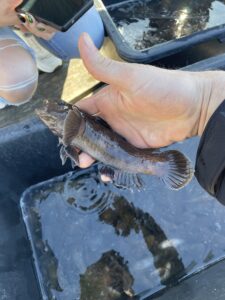
A specimen of Round Goby @LIFE
LIFE joined project partners and external stakeholders for a three-day Round Goby meeting in Simrishamn and Ronneby, focusing on product development, the fishery itself, and planning for the project’s final phase.
The first day centred on processing and product development, with pilot teams sharing results and a tasting lunch showcasing the culinary potential of the species. Study visits to Skillinge Fisk-IMPEX, one of Sweden’s largest companies processing herring and sprat for human consumption, and Rosbergs Fisk på Österlen provided a closer look at the practical realities of handling and processing round goby at scale. Day two moved out to the water, where fishers Bengt, Glenn, and Per demonstrated the gears used in the coastal fishery outside Ronneby, with participants following one haul live via camera, before a workshop explored the broader potential for round goby fishery and consumption across the Baltic Sea region. Bengt Larsson, a LIFE member and member of LIFE’s Board of Directors, was central to the day’s discussions. The final day was an internal partner meeting, reviewing progress and planning the six months remaining in the project. LIFE’s contribution focused on business models and how to overcome the practical and economic barriers to making round goby commercially viable for small-scale fishers.
15/4 Ostkustströmming receives EU Protected Designation of Origin
Swedish Baltic herring continues to gain EU quality recognition. Following Norrlandsströmming’s PDO status earlier this year, the European Commission has now approved Ostkustströmming, making it the first seafood product from the Baltic proper to receive the designation, and Sweden’s fourteenth PDO product overall. The application was initiated by Stockholms läns fiskareförbund, representing small-scale coastal fishers from Kristianopel in the south to Öregrund in the north.
To qualify, the herring must be caught using passive gears or trawl with a minimum mesh size of 32mm, and landed and sorted within 24 hours, criteria that directly reward low-impact, quality-focused fishing practices. As Anders Jansson, third-generation fisher and secretary of the association, puts it: “This is a unique product from a unique part of the world, and now we have confirmation of that from the EU.”
As with Norrlandsströmming, the designation ties product quality directly to place, fishing tradition and local knowledge. It also carries a pointed message: several of those behind the application have been explicit that greater market recognition for Ostkustströmming must go hand in hand with significantly reducing industrial reduction fishing in the same waters, otherwise there may be little left to protect.
23/4 The future of Bottom Trawling in Europe.
Jeremy Percy, LIFE’s founding Executive Director and Senior Advisor, took part in a panel to launch a new report from the Pristine Seas Programme of the National Geographic Society, Washington, DC, USA. The study calculates that the destructive fishing practice of trawling imposes up to €16 billion annually in net costs to society. According to Jeremy Percy “Not all big is bad, nor all small beautiful, but where there is clear evidence that the economic and/or environmental costs of larger-scale mobile fishing gears outweigh any societal benefits from harvesting the resource, then it is right that alternatives are found and such operations are phased out”
28/4 European Parliament Plenary adopts Resolution on the Multiannual Financial Framework (MFF) 2028-2034.
MEPs voted in Plenary to adopt their proposed negotiating position on the EU budget for the next period in Strasburg on April 28. This sets out their negotiating position ahead of the Trilogue process, setting out the Parliament’s political priorities for the EU’s next long-term budget. It calls for a dedicated and ring-fenced allocation for the Common Fisheries Policy, and opposes models that would integrate these funds into broader national plans.
This puts the European Maritime, Fisheries and Aquaculture Fund (EMFAF) at the centre of the debate. Although the final budget has yet to be defined, members of Parliament’s Fisheries Committee and several political representatives have argued for increasing its allocation to around €7.3 billion, representing an uplift of roughly 20% compared to the current period.
The PECH Committee will discuss their position on funding under the MFF for Fisheries, Aquaculture and the Blue Economy at their June meeting.
30/4 Publishing of the evaluation of the Common Fisheries Policy: Progress Made, Challenges Ahead
The European Commission has published its evaluation of the Common Fisheries Policy (CFP) over the past decade, highlighting a mixed performance. While progress has been made in reducing overfishing and improving management, fish stock recovery remains slow and uneven. Expected economic benefits have not fully materialised, with the sector facing rising costs, geopolitical pressures, and ongoing structural challenges—particularly for small-scale fishers.
The Common Fisheries Policy (CFP) Regulation came into force in 2014. This evaluation by the European Commission is grounded in extensive evidence, including targeted stakeholder consultations, public calls for input, and technical analyses. In the upcoming days, LIFE Board of Directors and Secretariat will undertake a thorough analysis of the document, with a view to developing detailed comments and defining their approach for the next phase. The full evaluation is available here and the official Press Release by DG Mare here.
Coming up
3-5/5 Informal meetings of Agriculture and Fisheries ministers, Cyprus – The informal AGRIFISH meeting brings together EU ministers responsible for Agriculture and Fisheries. On 5/5 Costas Kadis, the Commissioner for Fisheries and Oceans, will present the main outcomes of the evaluation of the Common Fisheries, followed by an exchange of views among Ministers.
6/5 European Parliament, Brussels – PECH Committee meeting. LIFE will take the floor in the Parliamentary Hearing “Increase competitiveness in the fisheries and aquaculture sectors by reducing bureaucracy and regulatory burden” . The Pech Committee will also discuss the midterm evaluation of the EMFAF regulation(2021-27). According to the report, 20% of funds have been allocated to small-scale coastal fisheries in the national plans. However, this does not mean that SSCF has received this funding. It’s money that’s available in theory. It remains to be seen how much actually trickles down to them in practice.
21-22/ 5 European Maritime Day, Cyprus – A delegation of LIFE fishers and staff, in cooperation with Blue Ventures, will attend this European event to advocate for the “Make Fishing Fair” campaign.
In the Press
10/4 Hook and Net Bringing Innovation to Crab Fishing https://mag.hookandnet.com/2026/04/10/2026-04potfishingagency/content.html
28/4 Fiske Forum Billion-Euro trawl study’s claims based on discredited science https://fiskerforum.com/billion-euro-trawl-studys-claims-based-on-discredited-science/
29/4 Research for PECH Committee publishes a report on Navigating the new MFF approach for 2028-2034 – Mapping threats and opportunities for the fisheries and aquaculture sectors. It compares the proposal with the current EMFAF framework in terms of sufficiency of earmarked budget and governance and assesses the threat of fragmentation and renationalisation of EU fisheries-related policies. It also assesses the potential role of the European Competitiveness Fund and alignment with the European Ocean Pact.
It tells us little that we did not already know: all three sustainability pillars – social, economic and environmental – that support healthy, prosperous and sustainable fishing are showing cracks and in need of some repair. From a small-scale coastal fisheries perspective, these cracks are potentially life-threatening.
From an environmental perspective, there are less fish of commercial interest and of a healthy size in the sea. As a result less fish is being landed into European ports, with an increasing dependence on fish imports to meet consumption demands. Overall, declared landings are down by around 30% compared to 2014, whilst European consumers rely on imports for over 80% of what they eat. This highlights the extremely weak contribution EU fisheries make to food security in the Union.
Whilst at LIFE we agree with the concept of science-led fisheries management, we don’t agree with the way MSY is currently applied in Europe. Rather than sustaining and rebuilding fisheries, the CFP is sustaining overfishing. LIFE has long called for a revision of the scientific basis for fisheries management by using more appropriate biological reference points for MSY that both rebuild stocks and promote the growth of the spawning stock – to ensure a healthier balance of older and larger individuals This will involve changing the way that scientific advice is provided, moving away from single species models towards a recovery-focused, ecosystem-based advice for fisheries that prioritises biomass over yields.
From a socio-economic perspective, small-scale coastal fisheries (SSCF) are struggling to survive. In the 4 years from 2018 to 2022, the value of SSCF catches from the Baltic, the Black Sea, the Mediterranean, and the North Sea declined by between 30% and 36% according to data in the 2025 STECF AER report. Meanwhile, an aging fishing fleet is mirrored by an aging fishing population, with Gen Z and Millennials finding career prospects in fishing unattractive. Meanwhile, those left in the profession feel stuck in a cul de sac.
“I worry for the future of our profession – which is the most sustainable and low impact form of fishing. Working with youngsters as I do, to give them a helping hand, I’ve seen first-hand the multiple barriers and declining prospects they face. The fishing of tomorrow depends on today’s youth. Yet the targeted fisheries we depend upon are being progressively closed down, whilst untargeted industrial fishing is allowed to fish these same resources more or less with impunity. This has to change”, says Gwen Pennarun, LIFE’s President, a professional fisher with over 30 years’ experience at sea.
Marta Cavallé, LIFE’s Executive Secretary points out: “A major failing of the CFP is that it is simply not designed for SSCF, a fleet that accounts for 50% of at sea employment and 70% of the fleet by number. Article 17 could be a game changer, if applied in the spirit of the law. Whilst we accept that the allocation of fishing opportunities is a national prerogative, we would like to see the Commission play a more proactive role in developing appropriate criteria as outlined in the Vademecum, and supporting and encouraging member states to apply them.”
To counter the growing challenges facing the fisheries sector resulting from the poor implementation of the CFP, members of LIFE, together with a broader network of small-scale fishers, have developed their own set of priorities and solutions for small-scale fisheries in the Make Fishing Fair Roadmap. This initiative reflects the collective knowledge and practical experience of coastal communities, putting forward concrete measures to ensure environmental sustainability, social equity, and economic viability.
Central to the proposal is a call on European institutions to establish a comprehensive Plan of Action for Small-Scale Fisheries in Europe by 2026, aimed at safeguarding the future of the sector and recognising its vital role in resilient coastal livelihoods. The plan serves as a common reference point for coordinated engagement with policymakers, ensuring that the voices and priorities of small-scale fishers are consistently represented in regional, national, and European discussions and, most importantly, it will also inform the group’s positions in shaping reflections on the next steps for the Common Fisheries Policy, contributing practical, experience-based insights to future developments.
News about fair fisheries, healthy seas and vibrant fishing communities
LIFE contributes to EU calls for evidence on fisheries and coastal policies
LIFE and its members have actively contributed to several ongoing calls for evidence shaping the future of EU ocean and coastal policies, including the Vision 2040 for fisheries and aquaculture, the EU Strategy for Coastal Communities, and the forthcoming EU Islands Strategy.
Through these contributions, LIFE highlights the need for a more balanced and inclusive approach that fully recognises the role of small-scale fisheries in sustaining coastal and island communities. LIFE stresses that policies must go beyond economic growth objectives and ensure fair access to resources, decent livelihoods, and long-term resilience for small-scale fishers.
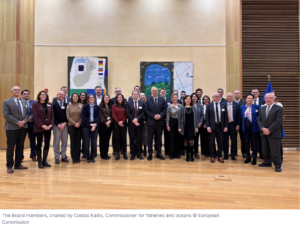
LIFE is proud to announce its selection onto the European Ocean Board, a newly established high-level advisory body to the European Commission. Bringing together 28 experts and representatives from across ocean-related sectors, the Board will provide strategic guidance on the future direction of EU ocean policy.
LIFE Executive Secretary Marta Cavallé will represent the organisation, ensuring that the voice of small-scale fishers and their communities is heard at the highest level of decision-making.
The inaugural meeting took place in Brussels, where LIFE introduced its work and highlighted key priorities for the implementation of the Ocean Pact, including what outcomes should look like from the perspective of low-impact fisheries. As part of her statement, Marta highlighted “The Ocean Pact will be successful if it restores fish stocks and the marine environment, through better implementation of existing legislation, improved scientific knowledge, and the establishment of clear, binding environmental targets and indicators, while also ensuring that those who depend on the ocean can make a living. The Ocean Act must provide the legal clarity needed to operationalise the prioritisation of small-scale fisheries set out in the Ocean Pact, clearly defining how to halt their current decline, strengthen their resilience, and enable them to achieve their full future potential”
LIFE looks forward to contributing constructively to the Board’s work and to helping shape policies that support a fair and sustainable future for Europe’s seas.
2-5/3 European Ocean Days
LIFE participated in the European Ocean Days, contributing to discussions on the future of EU fisheries and coastal communities.
During the session on the Vision 2040, small-scale fisheries were widely recognised as a priority. However, their effective representation in the discussions was lacking, with a gap between stated ambitions and concrete actions. LIFE, together with partners, advocates for a Vision that balances economic and environmental objectives, addressing both ecological and social challenges, including the continued decline of the sector across Europe.
During discussions on the upcoming EU Strategy for Coastal Communities, LIFE noted with concern the strong focus on blue growth sectors and innovation, with limited attention given to small-scale fisheries. LIFE considers this a missed opportunity and calls for small-scale fisheries to be placed at the centre of the strategy, recognising their key role in supporting coastal livelihoods, cultural heritage, and resilient local economies.
11-12/3 Nordic Seafood Summit
LIFE participated in the Nordic Seafood Summit in Gothenburg, bringing together actors from across the seafood value chain. The event highlighted growing interest in underutilised species, including round goby, and their role in more resilient seafood systems.
Discussions with chefs, industry and project partners pointed to clear opportunities for product development and market uptake, while also underlining remaining challenges related to processing and logistics. For LIFE, the Summit confirmed the relevance of the Round Goby project in developing new value chains that can benefit small-scale fishers.
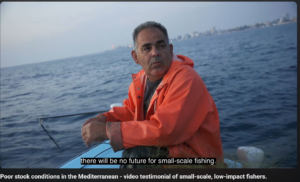
16/3 Mediterranean fishers warn of declining fish stocks
Frame capture of the video testimonial
Small-scale fishers from France, Spain and Cyprus are raising the alarm over declining fish populations, degraded ecosystems, and increasing pressure on their livelihoods. In a new video testimonial, they highlight that the crisis is not due to a lack of rules, but to insufficient implementation of the Common Fisheries Policy. When properly enforced, existing legislation can rebuild stocks and support coastal communities.
The video was developed in collaboration with partners including Seas At Risk, ClientEarth, Ecologistas en Acción, Oceana, Med Sea Alliance, and with the support of Meridian Agency.
16-17/3 LIFE follows key EU discussions on maritime spatial planning and the Ocean Act
Discussions focused on the upcoming revision of the Maritime Spatial Planning Directive, with particular attention to improving alignment with the Marine Strategy Framework Directive, as both frameworks are currently under review. In parallel, work is advancing on the development of a future EU Ocean Act. Preliminary policy options are currently being explored as part of the impact assessment process and remain subject to further refinement. Member States have been invited to provide feedback on these options.
However, LIFE stresses that limited public funds must be used to support a fair and sustainable transition, prioritising small-scale fisheries and avoiding harmful capacity-enhancing subsidies. LIFE’s proposals aim to guide the use of EMFAF funding, in line with recommendations from the Small-Scale Fisheries Working Group of the Energy Transition Partnership.
25/3 LIFE Board of Directors meeting – key highlights
LIFE’s Board of Directors met to review ongoing activities and discuss key policy and strategic developments.
Directors were updated on LIFE’s Annual plan and main policy priorities, including the evaluation of the CFP and CMO, the development of the Ocean Act, Maritime Spatial Planning, and the Multiannual Financial Framework (MFF). LIFE’s recent engagements—such as contributing to consultations and securing a seat on the Ocean Board—were also highlighted.
Strategic discussions focused on preparing for the upcoming CFP evaluation and advancing work within the Energy Transition Partnership. The Board also discussed LIFE’s contribution to the EU Islands Strategy and approved a working definition of small-scale fisheries based on EMFAF criteria.
Finally, members raised concerns about rising fuel prices and their impact on small-scale fisheries, highlighting the need for stronger support mechanisms at EU level.
On the energy transition, several Member States referred to the need to adapt the European Maritime, Fisheries and Aquaculture Fund (EMFAF). In this context, LIFE considers that such a development could represent an important opportunity, provided that support is carefully targeted towards small-scale fisheries and avoids measures that may risk increasing fishing capacity. LIFE also welcomes the emphasis on exploring complementary financing solutions, including through the European Investment Bank, particularly in light of concerns that SSF may struggle to access funds available under the next EU budget – the Multiannual Financial Framework – due to competition from other sectors.
The Council also discussed the implementation dialogue on small-scale and coastal fisheries, which LIFE sees as an important part of the European Commission’s ongoing work. The Commission reported key important conclusions providing an opportunity to reflect on preferential access for small-scale fisheries within the 12-nautical-mile zone and to revisit SSF access to fishing opportunities through a more enlightened approach to Article 17 (as highlighted in the recently published Vademecum).
Efforts to reduce administrative burden were highlighted by several Member States and are seen by LIFE as positive, provided that changes are tailored to the needs of small-scale operators and accompanied by adequate support and guidance at national level. At the same time, LIFE notes with some concern the limited reference or progress made by Member States on improving fishing quota allocation systems and access to space.
Overall, according to LIFE, further concrete action at EU level—notably via a dedicated Action Plan for small-scale fisheries by 2026—is urgently needed to change the direction of travel and address the various challenges facing the sector. LIFE is pleased to see such a proposal highlighted in the Commission’s report as follows: “The absence of a dedicated and binding EU Action Plan for small-scale and coastal fisheries was repeatedly highlighted, alongside the lack of clear timelines and accountability mechanisms, which was seen as contributing to regulatory uncertainty for fishers and support organisations alike”.
New team member: welcome to Claudia Giulia Cantele Silva
Working from the Brussels office, she will play a key role in enhancing internal systems and supporting the smooth financial management of activities across the organisation.


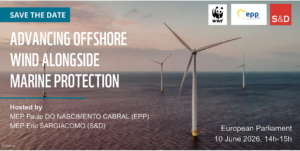 LIFE participated in the European Parliament event “Advancing Offshore Wind Alongside Marine Protection”, hosted by MEPs Paulo do Nascimento Cabral and Eric Sargiacomo. The discussion brought together policymakers, industry and public authorities to explore the future of offshore wind in European seas.
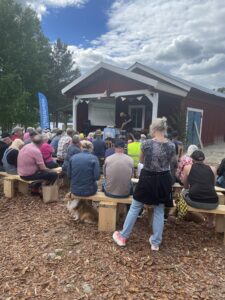
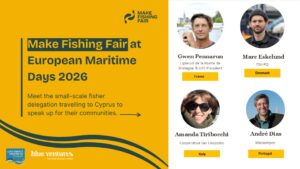 European Maritime Day 2026 took place in Cyprus. It provided an important opportunity for

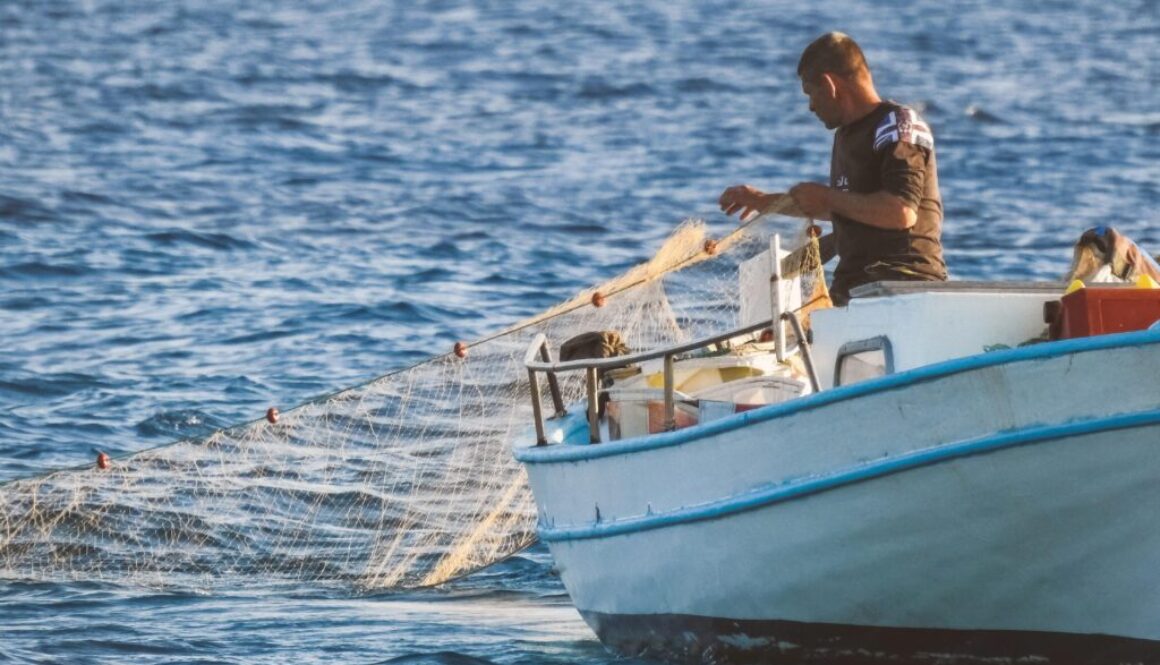
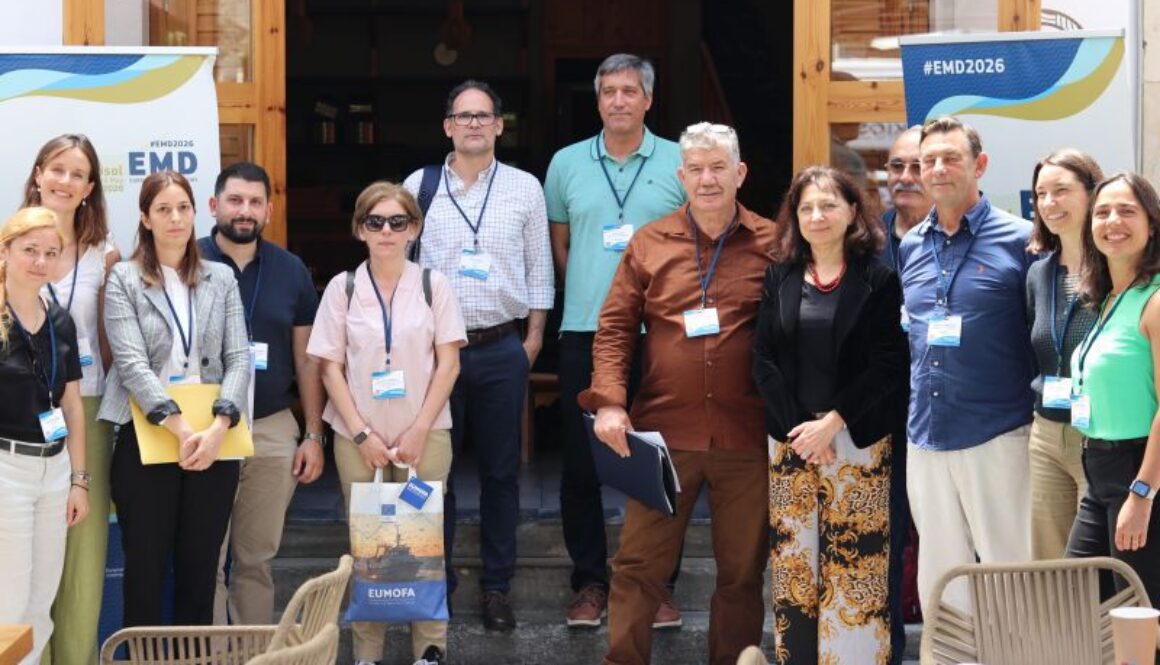
 Across two full days of exchanges with policy-makers, stakeholders and local fishing communities, the delegation contributed to a series of timely and urgent discussions on the mounting pressures facing the sector, while also reaffirming the indispensable role that small-scale fisheries must play in shaping Europe’s maritime future.
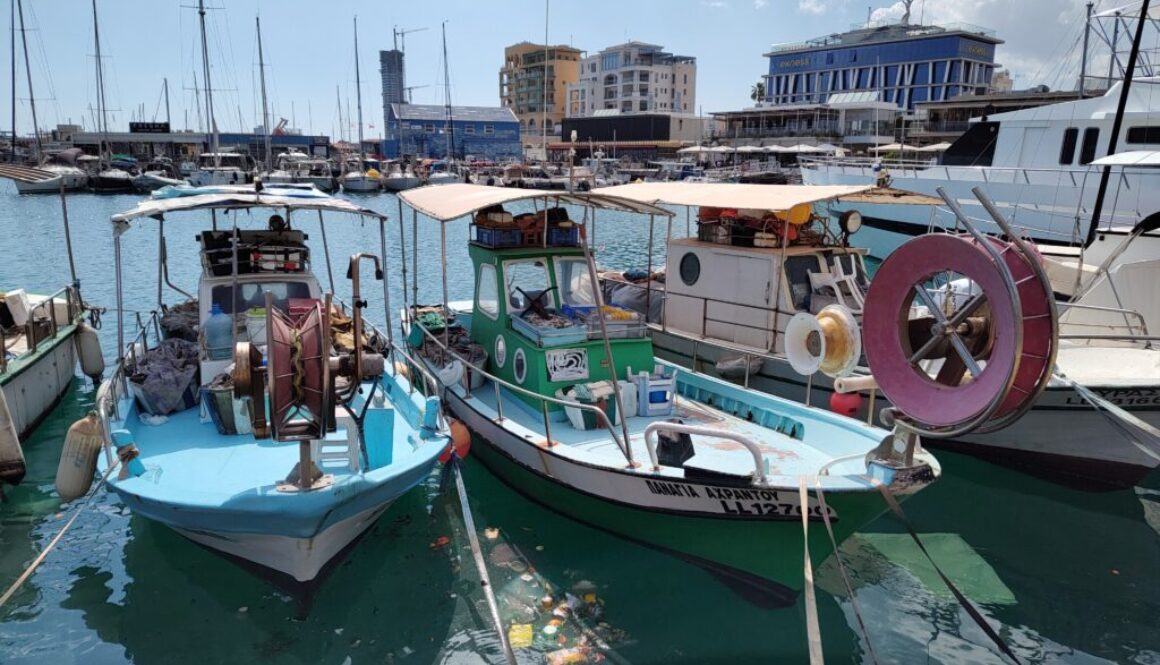
 These recommendations are closely aligned with the LIFE and Blue Ventures “
 LIFE is proud to
 LIFE welcomed