Vangst van de dag – mei 2026
Nieuws over eerlijke visserij, gezonde zeeën en levendige vissersgemeenschappen
CFP-evaluatierapport: Europa moet beter zijn best doen voor kleinschalige vissers
Uit de analyse van de evaluatie van het GVB vanuit het perspectief van de Low Impact Fishers of Europe (LIFE) blijkt dat algemeen wordt erkend dat de grootste uitdaging niet de regels zelf zijn, maar vooral de inconsistente uitvoering en handhaving daarvan in de lidstaten, maar er bestaat onenigheid over de positieve trend die in de evaluatie wordt geschetst met betrekking tot de duurzaamheid van de visbestanden; volgens LIFE wordt deze niet door de werkelijkheid bevestigd.
Er blijven tal van uitdagingen bestaan voor de kleinschalige visserij. De evaluatie onderstreept tekortkomingen bij het verwezenlijken van de sociale en economische doelstellingen van het GVB, waaronder het waarborgen van een billijke levensstandaard voor vissers. Belangrijke bepalingen met betrekking tot de toegang tot ruimte, de toewijzing van vismogelijkheden en de participatie van belanghebbenden zijn nog steeds onvoldoende ten uitvoer gelegd. Hoewel de evaluatie geen specifieke beoordeling van artikel 17 omvat, wordt daarin bevestigd dat kleinschalige vissers nog steeds te kampen hebben met aanzienlijke barrières bij de toegang tot vismogelijkheden. Wat de artikelen 5 en 20 betreft, werd geen enkel geval aangetroffen waarin de zone van twaalf zeemijl formeel is voorbehouden aan de kleinschalige kustvisserij. In de evaluatie wordt tevens benadrukt dat er in de adviesraden nog steeds sprake is van structurele onevenwichtigheden en problemen op het gebied van representativiteit.
LIFE en de evaluatie zijn het erover eens dat de aanlandingsverplichting en de maatregelen inzake de vlootcapaciteit grotendeels hebben gefaald als gevolg van gebrekkige uitvoering, zwakke handhaving en talrijke uitzonderingen, waarbij selectievere visserijpraktijken nauwelijks zijn toegepast. Dit heeft bijgedragen aan wanbeheer van de visserij en een verminderde veerkracht. LIFE beschouwt het echter als een belangrijke omissie dat in de evaluatie geen verband wordt gelegd tussen de tekortkomingen van de aanlandingsverplichting en de ontoereikende uitvoering van artikel 17.
Nu de discussies over de toekomst van het visserijbeleid van de EU beginnen, roept LIFE op tot een grotere verantwoordingsplicht, een betere tenuitvoerlegging en handhaving van bestaande regels, en een grotere erkenning en een bindend mandaat voor de lidstaten om de rol te ondersteunen die kleinschalige visserij met een lage impact speelt bij het ondersteunen van duurzame voedselsystemen en veerkrachtige kustgemeenschappen via de Oceaanwet. LIFE PR is hier beschikbaar, en standpuntnota hier.
4/5 Kunnen we de paling redden door hem te eten? Gastronomie en erfgoed in de kijker
LIFE nam deel aan een interdisciplinair onderzoeksseminar dat door de Universiteit van Göteborg werd georganiseerd in het Talldungens Gårdshotell in Brösarp, Zweden. Tijdens de workshop kwamen onderzoekers, kleinschalige vissers, chef-koks en milieuorganisaties bijeen om te onderzoeken hoe de lokale gastronomie en het culinaire erfgoed een rol kunnen spelen bij het redden van de ernstig bedreigde Europese aal.
De dag bestond uit open discussies over duurzaamheid en kustidentiteit, samen met een presentatie door aalonderzoeker Willem Dekker. Voor LIFE was het evenement een waardevolle gelegenheid om de realiteit van de kleinschalige sector te belichten, waaronder de ontwikkeling van tuig om selectief op zwartbekgrondel te vissen en bijvangst van aal te voorkomen. Het seminar werd afgesloten met groepssessies om de basis te leggen voor toekomstig gezamenlijk onderzoek en praktische samenwerkingen.
6/5 LEVEN in het Europees Parlement: Concurrentievermogen en de Toekomst van de Kleinschalige Visserij
De Commissie visserij van het Europees Parlement een openbare hoorzitting organiseerde met als titel “Het vergroten van het concurrentievermogen in de visserij- en aquacultuursector door bureaucratie en regelgevingsdruk te verminderen.”
LIFE werd vertegenwoordigd door Marta Cavallé, uitvoerend secretaris, die deelnam aan het tweede deel van de hoorzitting, dat gewijd was aan het stimuleren van het concurrentievermogen van de visserij- en aquacultuursector.
Tijdens de presentatie benadrukte Marta de noodzaak om de neergang van de kleinschalige visserij in heel Europa om te buigen naar een bloeiende, rechtvaardige en duurzame sector. Daartoe belichtte zij de zes belangrijkste factoren die het concurrentievermogen van de kleinschalige vissersvloot beïnvloeden (milieufactoren, gebrek aan toegang tot visbestanden, ruimtegebrek, gebrek aan toegang tot markten, gebrek aan specifieke steun, belemmeringen om het beroep te betreden) en wat LIFE voorstelt om de negatieve trend tegen te gaan. Ze benadrukte ook de noodzaak van een specifiek actieplan voor de kleinschalige visserij binnen de aanstaande Europese Oceaanwet en riep op tot een koerswijziging waarbij kleinschalige vissers met een lage impact centraal komen te staan in het oceaanbeleid.
De hoorzitting bood een belangrijke gelegenheid om de stem van kleinschalige vissers naar het Europees Parlement te brengen en bij te dragen aan de lopende discussies over het toekomstige concurrentievermogen van de sector.
14/5 Hoogtepunten van de bestuursvergadering van LIFE
De raad van bestuur van LIFE is bijeengekomen om de laatste beleidsontwikkelingen te bespreken.
LIFE bracht verslag uit over haar deelname aan de eerste vergadering van de European Ocean Board en aan een hoorzitting van de Commissie visserij van het Europees Parlement over concurrentievermogen en vereenvoudiging, wat wijst op een groeiende erkenning van de organisatie en een grotere zichtbaarheid van de kleinschalige visserijsector op EU-niveau.
De Raad heeft de onlangs gepubliceerde evaluatie van het gemeenschappelijk visserijbeleid (GVB) besproken, waaruit blijkt dat veel sociaal-economische doelstellingen voor de kleinschalige visserij nog steeds niet zijn verwezenlijkt. De leden benadrukten de noodzaak van een strengere uitvoering, meer verantwoording en een eerlijkere toegang tot de visbestanden.
Tijdens de besprekingen over de nieuwe verordening inzake visserijcontrole kwam naar voren dat er bezorgdheid bestaat over het feit dat een aantal voorschriften niet is afgestemd op de realiteit van de kleinschalige visserij, met name wat betreft de rapportage- en weegverplichtingen vóór het aanlanden en de nalevingskosten.
Leden wisselden ook informatie uit over regelingen voor brandstofsubsidies in heel Europa, waarbij ze wezen op aanzienlijke verschillen en opriepen tot eerlijkere steunmechanismen die de behoeften van kleinschalige vissers beter weerspiegelen.
21/5 Europees Parlement keurt resolutie goed over meerjarig plan (MAP) voor de Oostzee
De initiatiefverslag (INI) over het Baltisch MAP, ingediend door de Zweedse Groene Europarlementariër Isabella Lövin, is door het Europees Parlement aangenomen. Het MAP, dat sinds 2016 van kracht is, was bedoeld om een succesvol beheer van de visbestanden te ondersteunen, maar heeft zijn kerndoelstellingen niet weten te verwezenlijken. Het verslag bevat 59 maatregelen die erop gericht zijn het huidige beheersysteem in de toekomst te verbeteren. Deze omvatten onder meer een verbod op industriële trawlvisserij voor vismeel wanneer de visbestanden in slechte staat verkeren, het invoeren van meer voorzorgsmaatregelen in het wetenschappelijk adviesproces om ervoor te zorgen dat er meer vis in zee is door hogere biomassadrempels vast te stellen, en het integreren van de eisen uit de Kaderrichtlijn Mariene Strategie om te waarborgen dat vispopulaties een gezonde leeftijds- en grootteverdeling hebben.
20-23 mei: Europese Dag van de Zee 2026: kleinschalige vissers werken mee aan het vormgeven van het toekomstige visserijbeleid van de EU
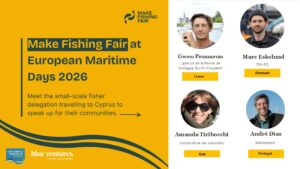 Europese Dag van de Maritieme Zaken 2026 vond plaats in Cyprus. Het bood een belangrijke kans voor een delegatie van kleinschalige vissers uit Frankrijk, Denemarken, Italië en Portugal, samen met medewerkers van LIFE en Blue Ventures in het kader van de campagne ##MakeFishingFair, om direct in gesprek te gaan met EU-beleidmakers over belangrijke initiatieven die de toekomst van de sector vormgeven.
In discussies over het toekomstige Meerjarig Financieel Kader (MFK) pleitte de delegatie voor een specifiek, afgeschermd budget voor kleinschalige visserij en voor financieringsinstrumenten die toegankelijk, evenredig en in staat zijn om de veerkracht, innovatie en levensvatbaarheid op lange termijn van kustvisserijgemeenschappen te ondersteunen.
Debatten over de Europese Ocean Act benadrukken de noodzaak om eerlijke toegang tot hulpbronnen en maritieme ruimte te garanderen voor kleinschalige visserij, waarbij de zone van 12 mijl is voorbehouden voor kleinschalige operaties met een lage impact. Bovendien moet het versterken van co-managementbenaderingen een centrale pijler zijn van de duurzame economie van de oceaan. De delegatie pleitte ook voor de opname van een Europees Actieplan voor de Kleinschalige Visserij binnen de Ocean Act. In deze context gingen zij ook in gesprek met Cypriotische vissers en steunden zij hen in hun oproep voor een Nationaal Actieplan voor de Kleinschalige Visserij, wat de afstemming aantoont om te handelen naar Europees en op nationaal niveau.
Bijdragen aan discussies over de Visie 2040 voor de Visserij en Aquacultuur benadrukten de behoefte aan een specifiek toekomstig traject voor kleinschalige visserij met een lage impact, ondersteund door generatiewisseling, eerlijke toegang tot kansen, sterkere vertegenwoordiging en meer inclusieve bestuursstructuren.
De delegatie voerde ook gesprekken over de routekaart voor de energietransitie van de visserij- en aquacultuursector in de EU, waarbij werd benadrukt dat de doelstellingen op het gebied van decarbonisatie gepaard moeten gaan met adequate financiële steun, geschikte technologieën en praktische oplossingen die zijn afgestemd op de realiteit van de kleinschalige visserijvloten.
Een consistente boodschap tijdens het evenement was dat het succes van deze beleidsinitiatieven zal afhangen van de zinvolle deelname van kleinschalige vissers bij zowel het ontwerp als de uitvoering ervan.
20/5 Een positief signaal voor kleinschalige vissers in de maritieme ruimtelijke ordening
LIFE heet iedereen van harte welkom de aanneming door het Europees Parlement van een resolutie over de tenuitvoerlegging van de richtlijn inzake maritieme ruimtelijke ordening (MSP), waarin wordt erkend dat de visserij, en met name de kleinschalige kustvisserij, onder toenemende druk staat als gevolg van de groeiende concurrentie om maritieme ruimte.
In de resolutie wordt opgeroepen tot een evenwichtigere en inclusievere aanpak van maritieme ruimtelijke ordening, met een grotere betrokkenheid van belanghebbenden, een betere beoordeling van de sociaal-economische gevolgen en meer erkenning van visserij en aquacultuur als strategische sectoren voor voedselzekerheid en veerkracht van kustgebieden. Ook wordt het belang benadrukt van het waarborgen van de toegang tot visgronden via “"voorkeursrecht op toegang binnen de 12-mijlszone voor kleinschalige visserij, activiteiten met een geringe impact en natuurbeschermingsprojecten"”, en ervoor zorgen dat kleinschalige vissers op zinvolle wijze bij de planningsprocessen worden betrokken.
26/5 – Commissie start raadpleging over visserijbeheerplannen
De Europese Commissie heeft een oproep tot het indienen van bewijsmateriaal met betrekking tot de meerjarige visserijbeheerplannen (MAP’s) van de EU, om feedback te vragen aan belanghebbenden over bepalingen die moeilijk uitvoerbaar zijn gebleken en over de gevolgen daarvan voor het visserijbeheer en de levensvatbaarheid van de sector. Deze evaluatie maakt deel uit van de bredere inspanningen van de Commissie om het visserijbeheer te verbeteren en te vereenvoudigen, met behoud van de doelstellingen van het gemeenschappelijk visserijbeleid.
25–26 mei: Bezoek aan West Coast Fisher met chef-koks, verkenning van toekomstige mogelijkheden
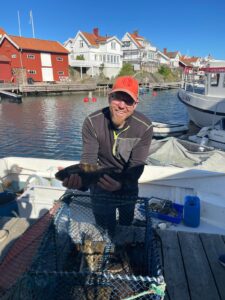
LIFE bracht een bezoek aan Bobo Johansson, een visser aan de Zweedse westkust en eigenaar van Bobos Fisk, samen met chef-koks van Seafood Gastro (1 Michelinster, Grand Hôtel Stockholm). Bobos Fisk is gespecialiseerd in de visserij op schaaldieren met behulp van passief vistuig en heeft eerder deelgenomen aan proeven met garnalenkorven als alternatief voor bodemtrawling.
Het bezoek was gericht op het verkennen van nieuwe mogelijkheden op het gebied van vis, schaal- en schelpdieren en het versterken van de samenwerking tussen vissers en chef-koks. Gullmarsfjorden wordt het eerste beschermde mariene gebied van Zweden waar de bodemtrawlvisserij vanaf 2027 volledig zal worden afgeschaft, wat unieke kansen biedt voor de ontwikkeling van selectieve, milieuvriendelijke visserij en nieuwe waardeketens op basis van hoogwaardige visproducten.
28-29 mei: advies van de ICES gepubliceerd
Het wetenschappelijk advies over de vangstmogelijkheden voor de Oostzee in 2027 luidde als volgt: uitgegeven door ICES en de achtbaan zal volgend jaar naar verwachting doorgaan, waarbij aandelengroei en herstel opnieuw buiten beschouwing worden gelaten.
Tijdens de raadsvergadering van oktober vorig jaar (p. 13) heeft de EU zich duidelijk verbonden tot een hervorming van de wetenschappelijke benadering van het visserijbeheer, om ervoor te zorgen dat het advies zou bijdragen aan gezonde visbestanden. Het is betreurenswaardig dat dit nog steeds niet is gerealiseerd.
LIFE speelt een cruciale rol in de huidige benadering van wetenschappelijk advies, aangezien dit geen gezonde visbestanden of duurzame vangsten oplevert. Voor het komende jaar blijkt uit de rapportage van ICES dat de quota voor de haringbestanden in het centrale deel en de Botnische Zee meer dan verdubbeld kunnen worden, hoewel de biomassawaarden onder de drempelwaarden liggen. De kabeljauwvisserij zal waarschijnlijk gesloten blijven en de zalmbestanden worden nog steeds als in slechte staat beoordeeld.
Komt eraan:
9-11 juni Brussel – EU-week van de duurzame energie, het grootste jaarlijkse evenement in Europa dat zich richt op het bevorderen van veilige, schone en efficiënte energie.
13 juni Jämtland, Zweden – Visfestival – Bevordering van duurzame zoetwatervisserij op Lilla Ede Gård in Kälarne, Midden-Zweden. Het festival brengt vissers, voedselproducenten, chef-koks en het publiek samen om te onderzoeken hoe onderbenutte zoetwatervissoorten kunnen bijdragen aan duurzamere voedselsystemen.
22-23 juni Brussel – Raad van Ministers van Landbouw en Visserij (AGRIFISH)
26/6 Cyprus – Conferentie op hoog niveau “Versterking van de eilanden en kustgemeenschappen van de Europese Unie”
7-8 juli Ierland – Conferentie over de EU-Oceaanwet (Ierland)
15-6/7 Inter-AC-bijeenkomst en dialoog met belanghebbenden
In de pers
De Commissie heeft haar jaarverslag over de stand van zaken in de visserij van de EU, waarbij de balans wordt opgemaakt van de vooruitgang op het gebied van duurzame visserij en de koers wordt uitgezet voor de komende cyclus van vangstmogelijkheden voor 2027.
Normandische Vissers Uitdaging intrekking van de 12-mijls visserijregel
Nederlandse rechtbank stopt Ongereguleerde bodemtrowelarij op de Doggersbank in de Noordzee
Nu de EU de visserijregels herschrijft, Kustvissers vrezen een geprivatiseerde zee (door LIFE-voorzitter Gwen Pennarun)
Directe ondersteuning voor Kleinschalige visserij in Cyprus aangespoord
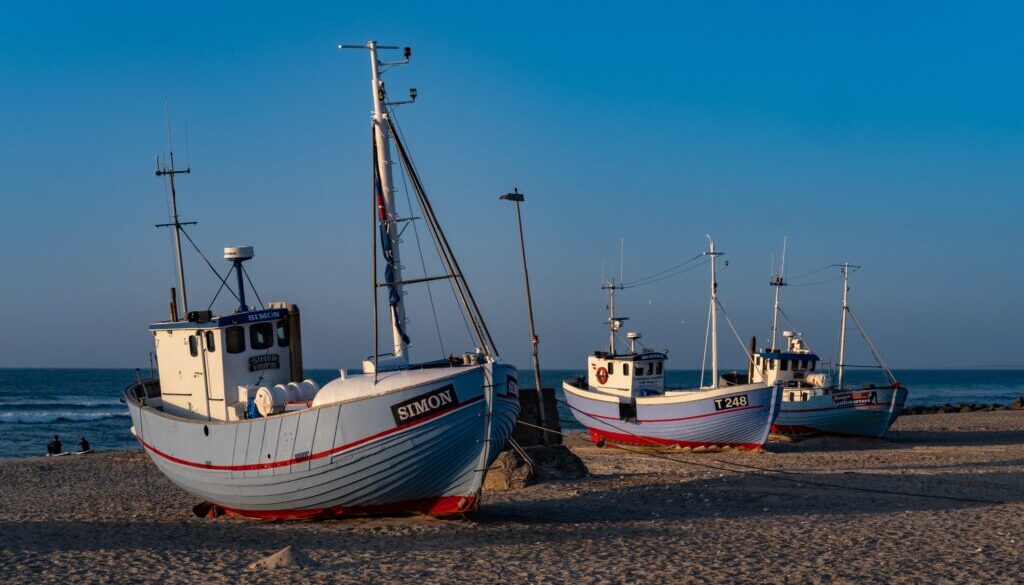
Omslagfoto @Juergiboe