

Spanish small-scale fishers join protests against certain provisions of the Fisheries Control Regulation
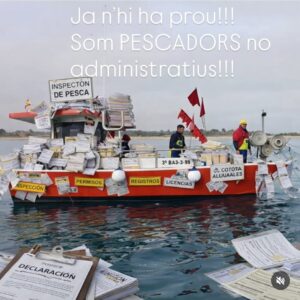
On January 10th, two years after its publication, the European Union Fisheries Control Regulation came into force for vessels over 12 metres. Small-scale fishing vessels under 12 metres still have two years before the regulation is implemented, but most of them are joined the protests and general strike called yesterday by the Spanish inshore fishing sector, due to their concern about some of the measures that will come into force in 2028.
The small-scale fishing sector does not deny the need for effective control, but its current discontent is due to the excessive bureaucracy and high administrative burden that the regulation entails and which, at the same time, may pose a high risk to maritime safety. When the LIFE Control Regulation was published in 2024, LIFE carried out a brief analysis of it.
Currently, fishers claim that those who drafted and approved the control regulation are unaware of the reality of the small-scale fishing sector and what its requirements will actually mean in their day-to-day work. Specifically, they are opposed to:
– Notification of 4 hours’ notice before entering port: For vessels that fish close to the coast and make trips that normally last less than 12 or even 8 hours, this timing is difficult to guess, would probably coincide during fishing operations and does not add any useful information to the control since -at least in Spain- every fisheries modality has its own schedule to leave and return to port.
– Fish will have to be weighed on board with a margin of error of less than 10%: It is impossible to untangle, sort and weigh the product on board before entering port, in small vessels, sometimes without any crew, while manoeuvring and with the vessel in motion, and this seriously affects maritime safety. While it is important to have an accurate catch declaration, this can wait until arrival on land, where all the necessary equipment and conditions are in place to do so with all the necessary guarantees and accuracy.
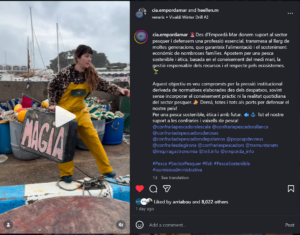
On the other hand, the lack of information and uncertainty that Member States are providing on how the digitisation system will work, from the electronic logbook on board to the new obligation to carry a VMS system on small-scale vessels, is a cause for concern for the sector, which demands that they be taken into account in its design. If implemented correctly, digitisation could revolutionise data collection and use, empowering fishers on the one hand and improving their visibility and increasing the reliability of scientific advice on the other. If not implemented correctly, with tracking and data collection systems that have not been sufficiently tested, are costly and have not been designed with the involvement of fishers from the start, it could wreak havoc and further increase the bureaucratic burden, as we have seen with the disastrous implementation of the iVMS tracking system in the United Kingdom. The secret to successful digitisation is multifunctionality: vessel monitoring and electronic catch reporting systems must be useful to both authorities and fishers, otherwise they simply will not work.
Pescadores españoles de pequeña escala se suma a las protestas contra determinadas disposiciones del Reglamento de Control de la Pesca
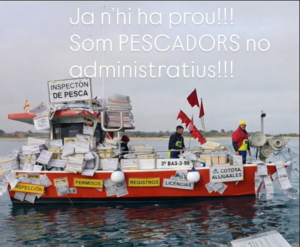
El pasado 10 de enero, 2 años después de su publicación, entró en vigor el Reglamento de Control de la actividad pesquera de la Union europea para los buques de más de 12 metros. A la pesca de pequeña escala, de menos de 12 metros, aún le quedan 2 años para su implementación, pero la mayoría de ellos se sumaron ayer a las protestas y a la parada general del sector de pesca de bajura español, preocupados por algunas de las medidas que les vendrán en 2028.
El sector artesanal no niega la necesidad de un control efectivo, pero su malestar actual se debe a la excesiva burocratización y elevada carga administrativa que el reglamento supone y que -a la vez- puede suponer un alto riesgo a la seguridad marítima. Cuando se publicó el Reglamento Control en 2024, LIFE ya hizo un breve análisis del mismo.
Actualmente, los pescadores aseguran que quien ha redactado y aprobado el reglamento de control no conoce la realidad del sector pesquero de pequeña escala y lo que sus requerimientos supondrán realmente en su día a día. Concretamente, se manifiestan en contra de:
– Notificación con 4 horas de antelación antes de entrar en puerto: Para los buques que faenan cerca de la costa y realizan salidas que normalmente duran menos de 12 o incluso 8 horas, este plazo es difícil de calcular, probablemente coincidiría con las operaciones de pesca y no aporta ninguna información útil al control, ya que, al menos en España, cada modalidad pesquera tiene su propio horario de salida y regreso al puerto.
– El pescado deba ser pesado a bordo y con un margen de error de menos del 10%. Conseguir desenmallar, clasificar y pesar el producto a bordo antes de entrar a puerto, en embarcaciones pequeñas, a veces sin ningún tripulante, mientras se maniobra y el barco está en movimiento es algo imposible y que afecta gravemente a la seguridad marítima. Si bien es importante tener la declaración ajustada de capturas, ello puede esperar a su llegada en tierra donde hay todo el material y condiciones para poderlo hacer, con todas las garantías y exactitud necesarias.
Por otro lado, la escasa información e incertidumbre que los estados miembros están dando a como avanzará el sistema de digitalización, del diario electrónico a bordo y la nueva obligación de llevar un sistema de VMS de las embarcaciones de pequeña escala preocupan al sector, que demanda que se les tenga en cuenta en su diseño. La digitalización, si se implementa correctamente, podría revolucionar la recopilación y el uso de datos, empoderando a los pescadores, por un lado, mejorando su visibilidad y aumentando la fiabilidad del asesoramiento científico, por otro. Si no se implementa correctamente, con sistemas de seguimiento y recopilación de datos sin suficiente testeo, elevados costes y sin la participación de los pescadores en su diseño desde el inicio, podría causar estragos y aumentar aún más la carga burocrática, como hemos visto con la desastrosa implantación del sistema de seguimiento iVMS en el Reino Unido. El secreto del éxito de la digitalización es la multifuncionalidad: los sistemas de seguimiento de buques y de notificación electrónica de capturas deben ser útiles tanto para las autoridades como para los pescadores, de lo contrario, simplemente no funcionarán.
Additional information on the general strike in the press/Información adicional sobre la huelga general en la prensa