Denmark Charts a New Course: Quota Security for Coastal Fishers Gains Ground
A significant policy development in Denmark is set to strengthen small-scale, low-impact fisheries through the introduction of a new quota retention scheme. This long-anticipated measure aligns closely with the objectives of our Danish member organisation, FSK-PO (Foreningen for Skånsomt Kystfiskeri).
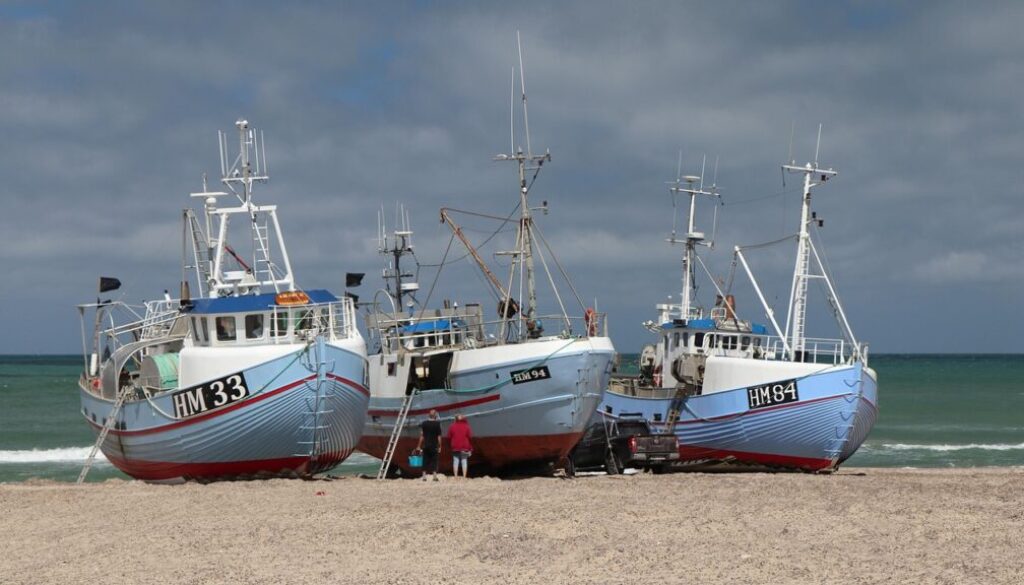
The recent political agreement entitled “En ny kurs for dansk fiskeri“ (A New Course for Danish Fisheries) introduces a provision to retain fishing quotas within the national small-scale fisheries segment. This applies specifically to vessels measuring less than 17 metres in length and up to 50 GT. The measure constitutes a major advancement for local, sustainable fishing practices.
The scheme guarantees that once a quota is allocated to small-scale operators, it cannot be transferred out to industrial fleets. Once fishers join the scheme, they are required to trade their quotas with another small-scale fisher within the system, ensuring that the quota remains available for the future. For the next two years, however, fishers participating in the ‘open part’ of the scheme retain the option to exit and take their quota with them, provided they also withdraw completely from the small-scale sector.. This curbs the ability of larger operators to acquire and consolidate quotas, a trend that has eroded the viability of small-scale fishing communities across Europe. At the same time, it allows for quota transfers among small-scale fishing operators, thus enabling succession, adaptability, and resilience.
This retention framework directly addresses long-standing concerns raised by both LIFE and FSK-PO. It aims to ensure equitable access to fisheries resources for low-impact, small-scale operators. Furthermore, it supports the economic revitalisation of coastal communities and reinforces Denmark’s commitment to environmentally responsible fishing practices.
FSK-PO has played a pivotal role in advocating for this policy change. The organisation has issued a detailed statement in support of the new quota retention measure while emphasising the need for strong implementation and meaningful follow-through.
In particular, FSK-PO underline that it is essential for the quota retention mechanism to be genuinely binding and not subject to loopholes such as temporary registration or circumvention through shell companies. Additionally, incentives must be introduced to encourage fishers to remain within the small-scale segment—this includes support for gear innovation, marketing, and infrastructure. Finally, transparency in the administration of quota registries is vital for maintaining public confidence and ensuring accountability in the system.
This Danish initiative sets a significant precedent at the European level. It demonstrates that safeguarding quotas for low-impact fishers is both feasible and politically achievable. Moreover, it reflects a broader shift towards an ecosystem-based and socially responsible approach to fisheries governance, and offers a potential model for replication in other Member States.
LIFE will continue to monitor the implementation of this Danish scheme to ensure that it delivers tangible benefits to coastal communities and support its member organisations in promoting improvement in quota management frameworks across the European Union.