ŽIVOT, the Prud'homie des pêcheurs de La Ciotat, the CDPMEM du Var, i Plateforme de la petite pêche artisanale française zajednički se obratiti Catherine Chabaud, francuska ministrica mora i ribarstva, pozivajući na pravedniju podjelu novopovećane kvote za plavoperajnu tunu.
Najnovije procjene ICCAT-a potvrđuju potpuni oporavak populacije sredozemne plavoperajne tune, što dovodi do očekivanog Povećanje kvote 16% za Francusku u razdoblju 2026.–2028. — više od 1.100 dodatnih tona. Pozdravljamo ovaj uspjeh, ali naglašavamo da oslanjanje isključivo na povijesne ulove za dodjelu kvota i dalje isključuje većinu malih ribara s niskim utjecajem.
Pozivamo ministra da prilagodi pravila raspodjele kako bi flota malog ribolova – vitalna za lokalne zajednice i upravljanje morem – konačno mogla pristupiti ovom simboličnom resursu. Čak bi i ograničeno ponovno uravnoteženje ojačalo malo ribarstvo bez nanošenja štete većim operaterima, a istovremeno bi podržalo tradicionalne sustave upravljanja poput prud'homiesa.
Dok se ministri ribarstva EU-a pripremaju za ključni sastanak Vijeća u prosincu, objavljujemo zajednički poziv s rekreacijskim ribarima i ekološkim nevladinim organizacijama za temeljnu promjenu u načinu na koji se traže i koriste znanstveni savjeti o ribolovnim mogućnostima. U zajedničkom pismu povjerenici Kadis, Pozivamo Europsku komisiju da osigura da buduća ograničenja ribolova i znanost na kojoj se temelje u potpunosti budu usklađeni s pravnim obvezama EU-a i njegovom širom ambicijom da u okviru Europskog pakta o oceanima ostvari zdrav, otporan i produktivan ocean.
Diljem europskih morskih bazena, nekada obilne komercijalne populacije riba - od skuše i bakalara do vahnje i baltičkih vrsta - pokazuju alarmantan pad. Preokretanje tih trendova zahtijeva obnovljeni znanstveni savjetodavni okvir koji izričito daje prioritet oporavku stokova, mjerama opreza, zdravlju ekosustava i postizanju dobrog stanja okoliša.Obnova Okvirnog sporazuma o partnerstvu i Posebnog sporazuma o dodjeli bespovratnih sredstava između Europske komisije i Međunarodnog vijeća za istraživanje mora (ICES), koja je sada neizbježna, odlučujuća je prilika. Pozivamo Komisiju da ažurirati ove ugovore kako bi zahtjevi EU-a upućeni ICES-u jasno tražili smjernice usmjerene na obnovu, preventivne mjere i temeljene na ekosustavu, kako bi se zalagalo za niža ograničenja ribolova za 2026. gdje je to potrebno i kako bi se dionici transparentnije uključili u oblikovanje budućih savjetodavnih procesa.
Uključivanjem oporavka i zdravlja oceana u politiku i znanstvene savjete, Komisija može usmjeriti upravljanje ribarstvom EU-a prema dugoročnoj održivosti, naprednim obalnim zajednicama i otpornim morskim ekosustavima. Spremni smo podržati ovu tranziciju i zatražili smo dijalog s povjerenikom kako bismo razgovarali o konkretnim sljedećim koracima.
Obnova europskih ribljih zaliha i ekosustava koji ih održavaju mora biti hitan politički prioritet. Za LIFE to počinje upravljanjem ribarstvom koje se temelji isključivo na najboljoj dostupnoj znanosti.
Zajednička ribarstvena politika (ZRP) u članku 2.2. jasno navodi da se populacije riba moraju obnoviti i održavati iznad razina koje mogu proizvesti maksimalni održivi prinos (MSY). Pa ipak, upravljanje ribarstvom EU-a uporno ne uspijeva to postići. Središnji razlog leži u načinu na koji se generiraju, tumače i primjenjuju znanstveni savjeti ICES-a. Biološke referentne točke poput Btriggera i Blima - zamišljene kao pragovi upozorenja - umjesto toga korištene su kao ciljevi upravljanja, držeći mnoge stokove opasno blizu njihovih najnižih održivih razina. Istodobno, procjene ICES-a često previđaju ključne ekološke stvarnosti, uključujući interakcije predatora i plijena, prirodne promjene smrtnosti, promjenjive uvjete okoliša te prirodnu dobnu i veličinsku strukturu ribljih populacija.
Rezultati su sada vidljivi u svim europskim vodama. Godine preoptimističnih procjena biomase i kvota postavljenih iznad razina opreza doprinijele su ponovljenim kolapsima stokova i dugoročnim padovima - od bakalara do baltičkog bakalara, haringe i papaline, da spomenemo samo neke. Ovi neuspjesi ukazuju na sistemski problem: znanstveni savjeti ograničeni su ograničenim parametrima modeliranja, ograničenim kontekstom ekosustava i strukturama upravljanja koje ne potiču oporavak stokova.
Kako bi se preokrenuli ovi trendovi, EU mora provjeriti kako se izrađuju savjeti ICES-a, propisati više procjena temeljenih na ekosustavima i osigurati da izrada i primjena višegodišnjih planova upravljanja (MAP) podržavaju, a ne ometaju, obnovu ribljih stokova. Jedinstven način na koji EU zahtijeva, a ICES operacionalizira najveći održivi prinos (MSY) hitno zahtijeva reformu. Bez jasnijih smjernica usmjerenih na oporavak, riblji stokovi ostat će zarobljeni u ciklusima niske biomase, a održivost ribolova - posebno za male obalne flote - i dalje će biti ozbiljno pogođena.
Reforma Sporazuma EU-ICES najisplativiji je korak prema obnavljanju brojnosti. Znanost mora biti osnažena kako bi pružila savjete koji omogućuju rast stokova, proširuju ribolovne mogućnosti i obnavljaju otpornost obalnih zajednica.
LIFE je spreman doprinijeti ovom procesu reformi i nedavno je angažirao Europsku komisiju putem razmjene pisama koja se nalaze u nastavku. Poboljšanjem kvalitete i korištenja znanosti ICES-a, jačanjem donošenja odluka i integriranjem mudrosti ribara, EU konačno može osigurati zdrava mora, uspješne riblje zalihe i održive obalne izvore prihoda.
Vijesti o poštenom ribarstvu, zdravim morima i živahnim ribarskim zajednicama
LIFE bira svoj novi Upravni odbor
LIFE s ponosom objavljuje izbor svog novog Upravnog odbora, koji okuplja raznoliku skupinu predstavnika iz glavnih europskih morskih bazena. Ovo obnovljeno vodstvo odražava LIFE-ovu predanost osiguravanju da se glasovi i perspektive malih ribara čuju od Baltičkog i Sjevernog mora do Sredozemnog i Crnog mora. Novoizabrani Upravni odbor vodit će strateški smjer LIFE-a i jačati njegovu ulogu u zagovaranju održivog i pravednog ribarstva.
Novi sastav BOD-a:
Regija Sredozemnog i Crnog mora:
Federico Gelmi, Associazione Pescatori di Pantelleria (Italija)
Kazimir Bogović, Udruga malih priobalnih ribara Jadrana (Hrvatska)
Macarena Molina, Pescartes (Španjolska)
Regija Baltičkog i Sjevernog mora:
Bengt Larsson, SYEF (Švedska)
Kasia Stepanowska, Darłowska Grupa proizvođača ribe i brodovlasnika (Poljska)
Erik Meyer, Fischereischutzverband Schleswig-Holstein (Njemačka)
Atlantska regija:
Gwen Pennarun, Udruga berača krojačkih krojeva iz Bretanje (Francuska)
Južni Atlantik: Sandra Amezaga, Mulleres Salgadas (Španjolska) / David Pavon, Cofradia el Hierro (Španjolska)
S osvježenim Upravnim odborom, LIFE se raduje nastavku svoje misije osnaživanja malih ribara i zagovaranja održivog ribarstva s niskim utjecajem na okoliš diljem Europe.
24/11 LIFE poziva na Akcijski plan EU-a za malo ribarstvo na provedbenom dijalogu s povjerenicom Kadis
LIFE je sudjelovao u Dijalog o provedbi malog i obalnog ribarstva, drugi u nizu takvih dijaloga dionika, koji je organizirala Europska komisija, a domaćin je bio povjerenik za ribarstvo i oceane Costas Kadis. Marta Cavallé, izvršna tajnica programa LIFE, uputila je snažnu poruku u ime malih europskih ribara s niskim utjecajem na okoliš, pozivajući na hitne i konkretne mjere kako bi se osigurala njihova budućnost.
U svom izlaganju, Marta je naglasila da unatoč desetljećima političkog priznavanja malog ribolova (MSF), to još nije rezultiralo značajnim poboljšanjima. Istaknula je rezultate nedavnog Učinite ribolov poštenimForum, gdje je 43 ribara iz 16 zemalja upozorilo da je Europa dosegla prekretnicu pada i da si ne može priuštiti daljnje odgađanje u obnavljanju ribljih zaliha, zaštiti obalnih sredstava za život i osiguravanju pravednog pristupa resursima.
LIFE je pozvao EU da usvoji Akcijski plan za malo ribarstvo u Europi do 2026. godine, ukorijenjeno u Smjernicama FAO-a za maloljetničko ribarstvo i temeljeno na diferenciranom pristupu malom i velikom ribarstvu. LIFE je također dostavio detaljne pisane odgovore na pitanja Komisije u kojima su navedene prepreke za generacijsku obnovu, prepreke s kojima se suočava maloljetničko ribarstvo u pristupu financiranju EU-a, potreba za ograničenim proračunima, prilagođena izgradnja kapaciteta, priznavanje organizacija proizvođača maloljetnog ribarstva i konkretne mjere kako bi se osiguralo da administrativni i regulatorni sustavi zaista odgovaraju svrsi. Dodatne preporuke odnosile su se na nedostatke u podacima, tehnologije vođene ribarima, zajedničko upravljanje, prilagodbu klimatskim promjenama i potrebe za osposobljavanjem potrebne za modernu, otpornu radnu snagu u maloljetnom ribarstvu.
LIFE je pozdravio povjerenikovu predanost nastavku ovog dijaloga, ali je naglasio da Europa već ima alate za djelovanje u okviru Zajedničke ribarstvene politike (ZRP). Usvajanjem Akcijskog plana s obvezujućim vremenskim okvirom i njegovim uključivanjem u nadolazeći Zakon o oceanima, EU može osigurati da SSF može odigrati svoju ulogu u obnovi svojih mora, promicanju odgovornog ribarstva i osiguravanju napretka obalnih zajednica.
Kao što je Marta zaključila: “Vrijeme je da male ribare prepoznamo ne kao prošlost, već kao dio budućnosti održivog europskog ribarstva. Zajedno možemo učiniti ribolov pravednim."..."
17/11 LIFE ujedinjuje male ribare u Bruxellesu na forumu "Učinimo ribolov pravednim"
Grupna fotografija @Matt Judge/Blue Ventures
LIFE je, u bliskoj suradnji s Blue Ventures, okupio 43 mala ribara iz 16 europskih zemalja u Bruxellesu kao dio Forum za pravedno ribarstvo.
Ribari u prostoriji ponovili su ono na što LIFE već dugo upozorava: nakon godina politika koje favoriziraju industrijske flote, europski obalni riblji fond se urušava, a mali ribari su gurnuti na rub propasti. Ribari na Forumu uputili su jedinstven poziv za Akcijski plan EU-a za mali ribolov do 2026., usklađen sa Smjernicama FAO-a za mali ribolov, kako bi se obnovili fondovi, osigurao pristup obalnim vodama, osigurala pravedna raspodjela, ojačalo zajedničko upravljanje i podržali novi sudionici. LIFE tvrdi da je Plan, dio šireg Plan za pravedno ribarstvo, trebao bi biti uključen u Zakon o oceanima s obvezujućim vremenskim okvirom za institucije i države članice.
Povjerenik Kadis, koji se obratio ribarima i dionicima u popodnevnom dijelu događaja, ustvrdio je da “Naš mali ribolov je ključan za srce naših obalnih zajednica”, priznao je hitnost, napominjući krize na Baltiku i Sredozemlju te važnost nadolazećih procesa EU-a, uključujući Zakon o oceanima iz 2026. Brojni članovi udruge LIFE govorili su, uključujući: Gwen Pennarun (LIFE), Muireann Kavanagh (IIMRO), Evelinu Dosevu (Europsko udruženje ribara na Crnom moru), Patriciu Bros (Udruga ribara mediteranskog mora), Sørena Jacobsena (FSK-PO), Nooru Huusari (Snowchange), Kena Kawaharu (Udruga ribara Bretanje). Ribari na panelu i u publici podijelili su praktične primjere najboljih praksi i rješenja s niskim utjecajem, ističući pritom trajne političke i pravne prepreke koje ometaju napredak. Panel dionika predstavio je različite perspektive o unapređenju pravde u ribarskoj politici EU-a, uz doprinose Charlesa Brainea (Pleine Mer i Poiscaille), Bellinde Bartolucci (ClientEarth) i zastupnika u Europskom parlamentu Lukea Minga Flanagana (Ljevica), koji su istaknuli potrebu da EU zaštiti radna mjesta i način života u malom ribarstvu. Zastupnik u Europskom parlamentu Gabriel Mato (EPP) također je intervenirao kako bi naglasio važnost sektora malog ribarstva.
Što se tiče programa LIFE, Forum višegodišnjeg financijskog okvira potvrdio je snažno jedinstvo među malim ribarima u Europi. Njihovo zajedničko iskustvo i odlučnost čine snažan temelj za poticanje EU-a prema istinski pravednom, održivom i uključivom ribarstvu.
14/11 Komisija objavljuje Priručnik o članku 17.
Dugo očekivani Priručnik sadrži smjernice kojima se nastoji pomoći zemljama EU-a u podršci malim ribarima i poboljšanju transparentnosti i dobrog upravljanja u raspodjeli ribolovnih mogućnosti od strane zemalja EU-a. Prema riječima povjerenice Kadis “Ove smjernice pozivaju zemlje EU-a da razmisle o raspodjeli ribolovnih mogućnosti, imajući na umu da su mali ribari najosjetljiviji na strukturne i neočekivane izazove. Mali ribari su okosnica naših obalnih zajednica. Moramo prepoznati njihovu ulogu i pružiti im potrebnu podršku.".
4-5/11 Energetska tranzicija u ribarstvu – od vizija do djela
Konferencija o Energetska tranzicija u ribarstvu – od vizija do djela održan je u Helsinkiju, okupljajući dionike sjeverne Europe kako bi raspravljali o praktičnim koracima prema dekarbonizaciji ribarskog sektora. LIFE je predstavljao Christian Tsangarides, koordinator za Baltičko i Sjeverno more, koji je doprinio panel raspravi “Može li se dekarbonizacija u ribarstvu postići do 2050.?”, gdje se raspravljalo o tome što se već može učiniti kako bi se smanjile emisije, srednjoročnim tehnologijama koje bi se mogle usvojiti bez ugrožavanja ekonomske održivosti ribarskih plovila, dugoročnim izgledima za razvoj i primjenu goriva bez ugljika te potrebi za prilagođenim pristupima koji odražavaju različite stvarnosti malih i većih plovila. S fokusom na ribarski sektor sjeverne Europe, predstavljeni su prijedlozi poduzetnika za rješenja za energetsku tranziciju, a pobjednički je bio prijedlog za električni brodovi na solarni pogon.
5-6/11 Round Goby Project: Sastanak i studijska posjeta Litvi
Fotografija studijskog posjeta @Aksel Ydrén/LIFE
LIFE je 5. i 6. studenog sudjelovao na dvodnevnom sastanku Projekt okruglog glavoča i studijski posjet Litvi, koji su zajednički organizirali projektni partneri Submariner, KTU Food Institute, MCS i SLU. Posjet je pružio vrijedan uvid u litavski obalni ribarski sektor, prerađivački sektor i tekuće pilot aktivnosti u okviru Interreg projekta Round Goby.
Prvi dan započeo je studijskim posjetom Baltijos Konservai, tvornici konzervi koja prerađuje razne baltičke vrste. Sudionici su imali priliku promatrati proizvodni proces i kušati prototipove konzerviranog glavoča razvijenog u sklopu projekta.
Nakon toga uslijedio je terenski posjet kako bi se upoznali s lokalnim malim obalnim ribarima koji djeluju u regiji Klaipėda. Litvanski obalni ribolov organiziran je u 29 komercijalnih ribolovnih područja gdje operacije provodi otprilike 50-60 aktivnih ribara, od kojih svaki ima prenosiva ribolovna prava vezana uz određeni alat. Glavne vrste ulovljene mrežama štrcaljkama i stajaćicama uključuju tavu, baltičku haringu, glavoča, iverak i papalinu, s ukupnim obalnim iskrcajem od oko 300-600 tona godišnje.
Ribolov glavoča koncentriran je u sjevernim obalnim zonama blizu latvijske granice. Unatoč tome što je profitabilan segment - s prosječnim maržama od oko 381 TP3T - ribolov je opao za 721 TP3T (s 228 tona u 2016. na oko 64 tone u 2023.), vjerojatno zbog smanjenih mogućnosti za bakalar i haringu. Danas oko 18 ribara cilja na glavoča, a pet tvrtki čini otprilike 901 TP3T iskrcaja. Velik dio ulova izvozi se u Latviju na preradu, a zatim se dalje distribuira u regiju Crnog mora.
18/11 Događaj S&D-a: Budućnost zajedničke ribarstvene politike
Osoblje i članovi programa LIFE iz Španjolske, Danske i Norveške sudjelovali su na događaju na visokoj razini koji je organizirala Grupa socijalista i demokrata u Europskom parlamentu, a posvećen je znanstvenim, ekološkim, društvenim i ekonomskim dimenzijama ribarske politike. Christian Tsangarides, koordinator programa LIFE za Baltičko i Sjeverno more, doprinio je 1. panelu: “Znanost o ribolovu i ribolov sa znanošću”, uz stručnjake iz Španjolskog instituta za oceanografiju i Programa promatranja ribarstva na Azorima. Prilikom rješavanja pitanja statusa ribljeg fonda, Christian je naglasio: “Želimo potpunu predanost vraćanju više ribe u more - to mora biti temelj naše politike. Trenutni znanstveni 'recept' nije za Europu, nije za male ribare, a zasigurno nije ni za budućnost..”LIFE je pozdravio priliku da u ove ključne političke rasprave uključi perspektive malih ribara s niskim utjecajem.“.
10/12, online: Sastanak Upravnog odbora i Opća skupština LIFE-a
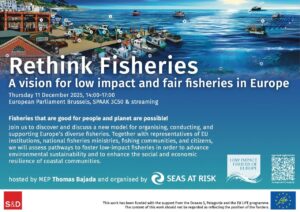
12. studenog u Europskom parlamentu, Bruxelles: LIFE i Sea at Risk organiziraju događaj “Preispitajte ribarstvo – vizija za ribarstvo s niskim utjecajem i pravedno ribarstvo u Europi”.
Nakon dvije godine suradnje ribara, civilnog društva, znanstvenika i aktera u cijelom lancu vrijednosti ribljeg sektora, uzbuđeni smo što možemo predstaviti zajedničku Viziju za pravedan prijelaz prema ribarstvu s niskim utjecajem na okoliš i pravednom ribarstvu u Europi. Pridružite nam se i registrirajte se ovdje.
Vijesti o poštenom ribarstvu, zdravim morima i živahnim ribarskim zajednicama
10.8. Upravni odbor programa LIFE sastao se kako bi raspravljao o smjeru za 2025./2026.
Tajništvo je obavijestilo Upravni odbor (BOD) o najnovijim događajima, s naglaskom na nadolazeći Dijalog o provedbi malog ribarstva i ulogu LIFE-a u njemu. Ovaj okrugli stol sastavni je dio misije povjerenika EU-a i zakazan je za 24. studenog. Za LIFE, on ističe važan politički kapital i važnu priliku koju ne smije propustiti. Ključni događaj na sastanku bio je odobrenje prijave Norveške udruge “...“Norveški Kystfiskarlag” kao pridruženi članovi, dodatno jačajući zastupljenost LIFE-a u sjevernoj Europi. Preporuke za odgovor na pitanje Savjetodavnog vijeća za mali ribolov također su dogovorene uz Plan za pravedno ribarstvo, s ključnim prioritetima i formatom poziva na djelovanje o kojima će se raspravljati tijekom posebnog događaja u Bruxellesu 17. studenog.
Raspravljalo se i o nadolazećoj izbornoj glavnoj skupštini i jačanju angažmana LIFE-a u savjetodavnim vijećima. Upravni odbor LIFE-a ostaje predan promicanju glasa i prava malih ribara diljem Europe, s obnovljenom energijom i solidarnošću.
10.8. Novi članovi: mali ribari iz Norveške pridružuju se programu LIFE
ŽIVOT s ponosom pozdravlja Norveški Kystfiskarlag, koji predstavlja male norveške ribare, kao novi član mreže. S više od 400 plovila posvećenih ribolovu s malim utjecajem na okoliš i održivom ribolovu, Norges Kystfiskarlag donosi vrijedno iskustvo i snažan glas norveških obalnih zajednica. Njihovo članstvo jača suradnju u regiji Sjevernog mora, poboljšavajući zajedničke napore prema pravednom, održivom i otpornom upravljanju ribarstvom u sjevernim vodama Europe.
13/10-17/10 LIFE na Tjednu oceana 2025.
LIFE je aktivno sudjelovao u ovogodišnjem Europski tjedan oceana koji se održao u Europskom parlamentu, a uključivao se u ključne rasprave o održivom ribarstvu, pravednom financiranju i upravljanju oceanima temeljenom na zajednici.
Brian O'Riordan, savjetnik za politiku programa LIFE, pridružio se panelu događaja o financiranju EU-a koji je organizirao ClientEarth zajedno s Seas At Risk i BirdLifeom kako bi raspravljali o hitnoj potrebi preispitivanja subvencija EU-a za ribarstvo u okviru sljedećeg višegodišnjeg financijskog okvira (MFF). Domaćin inicijative bio je francuski zastupnik u Europskom parlamentu Yon Courtin, a rasprava je istaknula kako trenutno financiranje putem Europskog fonda za pomorstvo, ribarstvo i akvakulturu (EMFAF) i dalje pogoduje velikim industrijskim flotama, pozivajući umjesto toga na pravedno i održivo financiranje koje podržava male ribare s niskim utjecajem na okoliš i zdrave morske ekosustave.
Pohvaljujući pristup lokalnog razvoja vođenog zajednicom (CLLD), LIFE je naglasio da bi mali ribari u budućnosti mogli imati koristi od sektorske potpore, potrebno ispuniti tri preduvjeta:
Priznavanje njihove strateške socioekonomske uloge u ribarstvu EU-a s političkom voljom za njihovu podršku;
Ciljana pomoć/Akcijski plan za malo ribarstvo i ograničeni proračun; i
Sustav pružanja pomoći prikladan za tu svrhu uzimajući u obzir posebne karakteristike monopolarnih socijalnih mreža (SSF)
Osoblje LIFE-a također je prisustvovalo događaju koji su organizirali Blue Marine i Oceano Azul, a čiji je domaćin bio zastupnik u Europskom parlamentu Paulo do Nascimento Cabral, a koji se usredotočio na angažman zajednice u određivanju i upravljanju zaštićenim morskim područjima (MPA). Događaj je istaknuo uspješne primjere iz cijele Europe i potvrdio važnost uključivanja lokalnih ribara i obalnih zajednica u postizanje cilja EU-a da zaštiti 30% svojih mora do 2030. godine. Sadržavao je svjedočanstva ribara iz kontinentalnog Portugala, Grčke i Italije, a održao se i govor povjerenika EU-a Costasa Kadisa.
Konačno, LIFE je sudjelovao na događaju FishSec-a “Male ribe, veliki utjecaj: Vrijeme je za upravljanje temeljeno na ekosustavu”, kojim je predsjedala zastupnica u Europskom parlamentu Isabella Lövin. Rasprava je naglasila ključnu ulogu malih pelagičnih vrsta poput papaline, haringe i peščare u održavanju zdravlja morskog ekosustava te pozvala na njihovo održivo upravljanje temeljeno na ekosustavu diljem Europe.
Paralelno s tim, izvršna tajnica programa LIFE, Marta Cavallé, prisustvovala je okupljanju Europskih zaklada za održivu poljoprivredu i hranu (EFSAF), pridruživši se akterima civilnog društva koji rade na pravednoj i održivoj tranziciji u poljoprivredno-prehrambenu industriju. Njezino sudjelovanje pomoglo je uskladiti prioritete malog ribarstva s pokretima za regenerativnu hranu i istražiti sinergije između zajednica na oceanu i kopnu za otporne, prirodno pozitivne prehrambene sustave.
Kroz ove angažmane, LIFE nastavlja zagovarati održivost, pravednost i sudjelovanje zajednice u središtu politika EU-a o oceanima i ribarstvu.
16/10 LIFE odgovara na prijedlog EK-a za ribolovne mogućnosti u Baltičkom moru za 2026. godinu
Dana 16. listopada, LIFE je prisustvovao sastanku Odbora PECH Europskog parlamenta, gdje je Europska komisija predstavila svoj prijedlog za ribolovne mogućnosti u Baltičkom moru za 2026. godinu.
LIFE pozdravlja prijedlog kao korak prema oporavku stokova, ali upozorava da maloobimni obalni ribolov (SSCF) - koji predstavlja 92% flote i 77% ribarskih radnih mjesta - i dalje snosi nesrazmjeran dio tereta oporavka. LIFE poziva na usmjeravanje smanjenja kvota prema industrijskoj pelagičnoj floti, koja dominira ulovom na Baltiku i opskrbljuje ribljim brašnom uglavnom za izvoz, uz održavanje ograničenog pristupa SSCF-u i rješavanje ekoloških pritisaka poput iscrpljivanja plijena i neupravljanih predatora.
Nakon odluke Vijeća, LIFE izražava duboko razočaranje. Ministri dodjeljuju gotovo 971 TP3T ukupnog baltičkog komercijalnog ulova haringi i papalini, većinom namijenjenima za riblje brašno i izvoz - izbor koji favorizira kratkoročne industrijske dobitke nad oporavkom ekosustava i opstankom obalnog ribarstva.
Unatoč ohrabrujućim signalima povjerenika Costasa Kadisa, koji daje prioritet preokretanju pada u Baltiku, mjere Vijeća su nedostatne. Povećanje kvote za papaline 45%, temeljeno na nesigurnim znanstvenim pretpostavkama, riskira ponavljanje prošlih pogrešaka i potkopava krhke stokove.
LIFE i dalje poziva na razboritost i pravednost u upravljanju ribarstvom u Baltičkom moru - kako bi se obnovili ekosustavi, vratili izvori prihoda i osigurala održiva budućnost za male ribare.
22/10 članova LIFE-a isključeno s tržišta jer nemaju MSC certifikat
Kad je jedan od naših članova otišao isporučiti haringu lokalnom prerađivaču, primio je loše vijesti. Lanac supermarketa kojem su opskrbljivali sada je prihvaćao samo ribu iz koćarica jer je imala MSC certifikat. Nakon novinari su izvještavali o priči Vodile su se daljnje rasprave o stvaranju rješenja, ali trenutno ribolov selektivnim metodama s malim utjecajem znači da su one isključene s tržišta. To naglašava koliko je važan rad LIFE-a na uspostavljanju Sustava participativnih jamstava (PGS) za malo ribarstvo ključan za njihovu održivost.
31/10 LIFE prati znanstvene savjete Komisije i ICES-a
S obzirom na to da sljedeće godine istječe petogodišnji Okvirni sporazum o partnerstvu između Komisije i ICES-a, te da se predstoje rasprave o godišnjem sporazumu o dodjeli bespovratnih sredstava predstavljaju priliku za poboljšanje osnove na kojoj uprava donosi odluke i time uspješnije provodi zajedničku ribarstvenu politiku.
Kao što smo vidjeli u nedavnim raspravama o baltičkim kvotama, tumačenje savjeta ICES-a postalo je ključni dio pregovora, dok je potreba za savjetima o obnovi odavno trebala biti potrebna.
Dajemo dvije preporuke za hitna poboljšanja znanstvenih savjeta. Prvo, miješani nesortirani ulovi industrijske flote trebali bi se kontrolirati pomoću eDNA kada iskrcaj prelazi 1 tonu. To bi poboljšalo kvalitetu podataka točnim bilježenjem prilova i sastava vrsta. Drugo, pragove treba revidirati tako da se stokovi zadrže na najmanje 40% njihove izvorne veličine, dok bi ribolov malih pelagičnih vrsta i stokova plijena trebao biti ograničen kako bi se poboljšala bioraznolikost i zdravlje ekosustava.
23.-24.10. – 29. sastanak Stručne skupine država članica za pomorsko prostorno planiranje (MSEG) u Limassolu na Cipru.
Ranije ove godine, LIFE je prihvaćen kao promatrač u MSEG-u — forumu gdje države članice razmjenjuju znanja i iskustva o pomorskom prostornom planiranju (MSP). LIFE je prisustvovao ovom sastanku na daljinu u svojstvu promatrača.
Značajan dio rasprava usredotočio se na dijalog o provedbi održan u srpnju, prateće studije i buduću reviziju Direktive o pomorskom prostornom planiranju (MSPD). Kako je navedeno u Paktu o oceanima, Europska komisija planira predložiti “Zakon o oceanima”, koji će uključivati reviziju MSPD-a i inicijativu o promatranju oceana. Slijedom toga, veći dio sastanka bio je posvećen suradnji s državama članicama o nadolazećoj reviziji MSPD-a/Zakona o oceanima.
Partnerstvo za energetsku tranziciju: sljedeći koraci
Proces Partnerstva za energetsku tranziciju (ETP) za razvoj doprinosa za budućnost Plan puta za energetsku tranziciju u Europi dolazi do ključne i odlučujuće faze.
Nakon brojnih sastanaka tijekom godine s Radnom skupinom SSF i širom Skupinom za podršku, Radna skupina SSF finalizirala je svoje sektorske preporuke za energetsku tranziciju. One su dostavljene Glavnoj upravi za pomorstvo i ribarstvo (DG MARE) i Mehanizmu pomoći ETP-a.
Cijela Grupa za podršku sada raspravlja o zajedničkim preporukama, koje će istaknuti točke konvergencije među različitim sektorima. Očekuje se da će konačni dokument biti objavljen do prosinca.
Intervju koordinatora programa LIFE Baltic za Švedski radio o prilovu lososa
Christian je objasnio misiju LIFE-a kao organizacije koja ujedinjuje male ribare i članove posvećene ribolovu s malim utjecajem na okoliš i odgovornom ribolovu. Istaknuo je da se u Baltiku svake godine može uloviti do 100 000 lososa kao prilov - brojka koja, iako nesigurna i temeljena na starijim procjenama, naglašava hitnu potrebu za boljim podacima i praćenjem.
Napomenuo je da bi novi alati poput analize okolišne DNK (eDNK) mogli igrati ključnu ulogu u poboljšanju znanja o prilovu lososa i procjeni predstavlja li on prijetnju populacijama divljeg lososa. eDNK djeluje analizirajući genetski materijal koji organizmi ispuštaju u svoj okoliš, omogućujući znanstvenicima da identificiraju vrste, podrže procjene stokova, pa čak i prate ilegalne ili neprijavljene ulove bez potrebe za izravnim hvatanjem.
Intervju također sadrži perspektivu Dennisa Bergmana, švedskog malog ribara, koji objašnjava zašto je losos toliko važan za malo ribarstvo i obalne zajednice diljem baltičke regije.
Slijedi:
4.-5./11. Helsinki, Finska – Energetska tranzicija u ribarstvu, od vizija do djela: Konferencija o energetskoj tranziciji u ribarstvu okuplja dionike sjeverne Europe kako bi definirali konkretne akcije za dekarbonizaciju ribarskog sektora.
17/11 Bruxelles, Belgija – Preko njihovog Učinite ribolov poštenim Kampanja LIFE i Blue Ventures okupljaju 45 ribara iz 17 zemalja diljem Europe kako bi se sastali s povjerenikom EU-a Costasom Kadisom, zastupnicima u Europskom parlamentu i dionicima kako bi predstavili svoje prioritete i zahtjeve za otporno, pravedno i profitabilno malo ribarstvo.
17-18/11 Viimsi, Tallinn, Estonija – Regionalni forum Baltičkog mora za misiju EU o prilagodbi klimatskim promjenama: Forum će se posebno usredotočiti na baltičku regiju i okupit će regionalne i lokalne čelnike, potpisnike Povelje Mission Ocean, kreatore politika, stručnjake i projektne praktičare kako bi podijelili najbolje prakse u prilagodbi klimatskim promjenama i otpornosti.
24/11 Bruxelles, Belgija – Dijalog o provedbi malog ribarstva– Europska komisija bit će domaćin Dijaloga o provedbi malog ribarstva (MSF), okupljajući dionike kako bi raspravljali o napretku i sljedećim koracima u unapređenju sektora SSF-a diljem Europe. Cilj sastanka je osigurati učinkovitu provedbu politika koje podržavaju malo ribarstvo.
Pismo naglašava potrebu za boljom kvalitetom podataka i realističnijim zamjenskim vrijednostima za obnovu ribljih populacija. Poziva vodstvo da osigura održivo upravljanje temeljeno na ekosustavu koje koristi i ribarstvu i bioraznolikosti.
Lako je kladiti se kada igrate s tuđim novcem. Netko se može pitati zašto bi trebao biti oprezan kada rizik pada plaća netko drugi.
S obzirom na to da je Vijeće odlučilo dodijeliti gotovo 971 TP3T ukupnog baltičkog komercijalnog ulova haringi i papalini, pri čemu je velika većina namijenjena izvozu u tvornice ribljeg brašna i ribljeg ulja, a zatim ponovnom izvozu izvan EU-a, jasno je u čije ime je kockanje napravljeno.
EU-ova evidencija uspješnog upravljanja ribljim zalihama u Baltiku je katastrofalna. Većina zaliha je na rekordno niskim razinama ili blizu njih. Od 2016. – kada je usvojen Višegodišnji plan za Baltičko more, zalihe su smanjene za više od 800 000 tona, a godišnji ulov je opao za više od 100 000 tona. Komercijalno najvažnija zaliha, bakalar, zatvorena je od 2019. Bakalar i dalje gladuje zbog nedostatka plijena, dok se njihovi grabežljivci, tuljani i kormorani, ne kontroliraju.
U maloj obalnoj floti plaće stagniraju, a ulovi su slabi. Potražnja premašuje ponudu za naše proizvode, a ministri su se ponovno odlučili protiv programa rasta. Da je Vijeće tvrtka, izvršni direktor bi odavno bio otpušten.
Promijeniti
Ove godine došlo je do značajne promjene u stavu Europske komisije. Otkad je Costas Kadis imenovan povjerenikom za ribarstvo i oceane, dosljedno je isticao da je preokretanje trenda pada na Baltiku prioritet. Čini se da je njegova poruka djelomično prošla.
Za sva četiri stoka haringe, kao i za stokove bakalara i lososa, odluke Vijeća mogle su i trebale biti bolje. Međutim, one u najmanju ruku označavaju prekid trenda najdestruktivnijih kratkoročnih tendencija do sada, koje su doprinijele niskim prihodima, raširenoj nedovoljnoj zaposlenosti i lošim budućim izgledima za ribarstvo.
Međutim, velika odluka ove godine bila je za papalinu. Prijedlog Komisije bio je prijenos kvote, ali Vijeće je odlučilo premašiti TAC za 45%. Nažalost, krivnja za ovu odluku u potpunosti pada na znanstvenike, koji su u svojoj procjeni stoka donijeli sumnjive pretpostavke.
Ako je njihova prognoza točna, populacija papalina će se povećati za neviđenih 881 TP3T u 2026., nakon čega slijedi još jedan rast od 131 TP3T u 2027. Kada se ministrima obećava takav nevjerojatan rast, a istovremeno će moći značajno povećati ulov, ne čudi da su se kockali. Mudrija odluka bila bi slijediti prijedlog Komisije, a zatim ponovno procijeniti kasnije tijekom godine kada bude dostupno više podataka koji bi potvrdili pretpostavke znanstvenika o novačenju i prosječnoj težini po dobi. Kako kažu u Luksemburgu, plus ça change, plus c'est la même choose.
LIFE poziva na pravedniji i uravnoteženiji pristup: održavanje kvota bliže ukupnim ulovnim iznosima iz 2025., ponovno uvođenje odstupanja za plovila kraća od 12 m s pasivnim alatima, usmjeravanje smanjenja na industrijski pelagični ribolov koji opskrbljuje ribljim brašnom tržišta izvan EU i poboljšanje praćenja neregistriranog prilova. Bez ovih prilagodbi, plan Komisije riskira potkopavanje ranjivih malih ribara, umjesto da se pozabavi stvarnim uzrocima smanjenja stoka.
3/9 ŽIVOT na panelu na konferenciji Europskog parlamenta “Bankrot Baltičkog mora”
Koordinator programa LIFE za Baltičko i Sjeverno more, Christian Tsangarides, pridružio se panelu, naglasivši hitnu potrebu za pravednijim i uravnoteženijim pristupom upravljanju ribarstvom koji prepoznaje ulogu malih ribara u održavanju obalnih zajednica i obnovi ekološkog zdravlja mora. LIFE je naglasio da se rješenja moraju usredotočiti na obnovu ribljih stokova, osiguravanje pravedne raspodjele tereta, jačanje pouzdanosti savjeta ICES-a i rješavanje neravnoteže u kojoj rezovi dosljedno padaju na mali ribolov, dok pelagične flote koje ciljaju na haringu i papalinu ostaju uglavnom netaknute. Samo izravnim rješavanjem ovih izazova može se osigurati dugoročna socioekonomska i ekološka održivost Baltičkog mora.
9/9 LIFE na Economistovom Svjetskom oceanskom summitu Europe
Dana 9. rujna, viši savjetnik programa LIFE Jeremy Percy prisustvovao je Svjetski oceanski summit Europa u Cascaisu, Portugalu, sazvala ga je Svjetska oceanska inicijativa časopisa Economist Impact. Nadovezujući se na rezultate Konferencije UN-a o oceanima i nakon ranijih sastanaka na vrhu u Tokiju i Lisabonu, događaj je okupio kreatore politika, investitore, industrijske čelnike, znanstvenike i nevladine organizacije kako bi oblikovali ulogu Europe u budućem upravljanju oceanima i održivom plavom gospodarstvu.
Na forumu kojim su dominirale rasprave o tehnologiji, mega fondovima, povratu ulaganja i širem “plavom gospodarstvu”, tradicionalno ribarstvo uglavnom je bilo odsutno s dnevnog reda. Kao jedan od rijetkih ribara u prostoriji, Jeremy Percy je tijekom svog panela iznio tu perspektivu, ističući stvarnost i izazove s kojima se suočava sektor. Unatoč ograničenom vremenu za govor, uspio je naglasiti važnost malog ribarstva u svakoj strategiji održivog oceana. Njegova prisutnost poslužila je kao pravovremeni podsjetnik da se, usred fokusa na financije i inovacije, ribarske zajednice ne smiju zanemariti u razgovoru o budućnosti naših mora.
18-19/9 “Predsjednica LIFE-a Gwen Pennarun donosi glas malih ribara Les Assises de la Pêche et de la Mer’
Dana 18. i 19. rujna, predsjednica LIFE-a Gwen Pennarun sudjelovala je na 15. izdanje Les Assises de la Pêche et de la Mer u Boulogne-sur-Meru, Vodeća francuska ribarska luka i središte morskih plodova. Više od desetljeća ovo godišnje okupljanje ključni je forum za razmišljanje i raspravu o budućnosti sektora ribarstva i morskih plodova.
Gwen Pennarun iskoristio je priliku kako bi istaknuo zabrinutost LIFE-a u vezi s najnovijim procjenama ICES-a za brancina, koje se čine daleko od zapažanja ribara. Također je uzbunio zbog nedavne rasprave CRPM-a o ’četverodijelnim pridnenim koćama“, koje su u praksi pelagične koće koje djeluju u obalnim vodama, s ozbiljnim implikacijama za ekosustave i malo ribarstvo. Na dan otvaranja, surađivao je i sa studentima IFSEA-e, predstavljajući rad LIFE-a na lokalnoj, regionalnoj i razini EU-a te raspravljajući o tome kako osnažiti ribare da zajednički upravljaju svojim ribolovnim područjima i osiguraju poštene i održive cijene. Njegovi doprinosi osigurali su da glas malih ribara - i budućnost onih koji se obrazuju za pridruživanje sektoru - budu u središtu rasprava.
Odbor PECH 23/9 osporava novi prijedlog proračuna EU i 2 milijarde eura rezervirane za ribarstvo
Na sastanku Odbora PECH održan je sastanak s povjerenikom Costasom Kadisom koji je branio proračun EU-a – Višegodišnji financijski okvir (VFO) za sljedeće razdoblje – 2028.-2034. Unutar novog VFO-a ne postoji namjenski fond za ribarstvo kao takav. Umjesto toga, ribarstvo će se uglavnom morati prijaviti za financiranje u okviru novih “Nacionalnih i regionalnih planova partnerstva” (NRPP), gdje minimum Iznos rezerviran za ribarstvo iznosi 2 milijarde eura tijekom sedmogodišnjeg razdoblja.
Prijedlog je naišao na kritike zastupnika u Europskom parlamentu iz cijelog političkog spektra, koji su ga kritizirali kao drastično smanjenje u usporedbi sa 6 milijardi eura u okviru trenutnog EMFAF-a. Nekoliko zastupnika u Europskom parlamentu također je kritiziralo pristup NRPP-a kao “ponovnu nacionalizaciju ZRP-a”. Unatoč uvjeravanjima da su 2 milijarde eura samo minimalna alokacija i dio reorganizacije sredstava, povjerenik se mučio uvjeriti zastupnike u Europskom parlamentu, a ponekad i odgovoriti na njihove zabrinutosti.
Ravnatelj Stylianos Mitolidis (DG MARE) pojasnio je da se novi proračun prebacuje s “propisane prihvatljivosti” na osnovu “potreba i uspješnosti”, primjenjujući načelo “ne nanosi štetu”. Dekarbonizacija, zelena tranzicija i sektorski razvoj bit će dio Fonda EU za konkurentnost, dok će većina financiranja ribarstva teći kroz nacionalne i regionalne planove partnerstva. Međutim, taj je potez izazvao strahove od ponovne nacionalizacije: kako osigurati jednake uvjete ako neke države članice moderniziraju svoje flote, a druge ne, ili između obalnih i država bez izlaza na more? Nekoliko zastupnika u Europskom parlamentu također je istaknulo nedostatak uključenosti dionika u oblikovanje novog okvira.
Intervencije zastupnika u Europskom parlamentu Isabelle Lövin, Lukea Minga Flanagana i Thomasa Bajade istaknule su šire probleme. Lövin je skrenula pozornost na teško stanje mora EU-a - od zagrijavanja sredozemnih voda do krize na Baltiku - i pitala kako će se potpora ispuniti obveze u vezi s okolišem. Flanagan i Carmen Crespo upozorili su na pogrešno postavljene prioritete, ističući da, dok se proračuni za ponovno naoružavanje peterostruko povećavaju, poljoprivreda se smanjuje za 30%, a ribarstvo za 60%, što potkopava sigurnost hrane i suverenitet hrane.
Osim fonda, Kadis je istaknuo tri glavna prioriteta: situaciju na Baltiku i u Sredozemlju, nadolazeću evaluaciju ZRP-a i Plan energetske tranzicije za 2026. godinu. U vezi sa Savjetodavnim vijećem za mali ribolov izrazio je snažnu podršku, iako ostaje nejasno je li njegovo osnivanje povezano s revizijom ZRP-a.
FAO pohvalio afričke obrtničke ribare za doprinos održivim vodenim prehrambenim sustavima
Afrička konfederacija profesionalnih organizacija obrtničkog ribarstva (CAOPA) odabrana je od strane Organizacije za hranu i poljoprivredu Ujedinjenih naroda (FAO) kao priznanje za njezin doprinos ostvarivanju održivih sustava vodene hrane. Svečanost dodjele priznanja održat će se u sjedištu FAO-a 15. listopada 2025., u sklopu proslave 80. obljetnice FAO-a, koja će se održati tijekom Svjetskog foruma o hrani FAO-a 2025.
Malo ribarstvo zauzima važno mjesto u godišnjem izvješću Odbora za ribarstvo Irskog mora, ali predstavlja nekoliko paradoksa
Izvješće ističe da sektor SSF-a, koja obuhvaća sva plovila kraća od 12 metara bez obzira na vrstu alata, predstavlja brojčano srce irskog ribarstva s 1164 aktivna plovila – 84% ukupne aktivne flote. Ova pretežno obiteljska poduzeća, raštrkana duž opsežne irske obale, služe kao gospodarska sidra za udaljene obalne zajednice gdje su alternativne mogućnosti zapošljavanja i dalje oskudne.
Iako predstavlja samo 71 TP3T ukupne snage motora flote i 251 TP3T bruto tonaže, sektor malog ribarstva znatno nadmašuje svoju težinu u smislu zaposlenosti, osiguravajući 974 radna mjesta s punim radnim vremenom – izvanrednih 561 TP3T svih nacionalnih FTE-ova u ribarskom sektoru. Ova statistika naglašava radno intenzivnu prirodu obalnih operacija i njihovu ključnu ulogu u održavanju društvenog tkiva obalne Irske.
Jedna od najjačih karakteristika sektora malog ulova ribe leži u njegovoj učinkovitosti goriva, što ga čini strateškom opcijom za energetski prijelaz na proizvodnju s niskim udjelom ugljika. Mali brodovi za ulov vršom pokazali su izvanrednu učinkovitost s 358 litara po istovarenoj toni – što je u oštroj suprotnosti s više od 1100 litara potrebnih većim pridnenim koćaricama.
U 2023. godini sektor je zabilježio pad prihoda od 11% i pad bruto dodane vrijednosti (BDV) od 9% u usporedbi s 2022. godinom. Međutim, istovremeno je ostvaren spektakularan porast bruto dobiti od 180% na 10,9 milijuna eura.
Visok udio neplaćene radne snage u malim ribarskim operacijama – 41% plovila izvijestilo je da imaju barem jednog neplaćenog muškog radnika – naglašava obiteljsku prirodu mnogih operacija. Iako to pruža operativnu fleksibilnost i pomaže u održavanju održivosti tijekom teških razdoblja, također postavlja pitanja o pravednoj naknadi i socijalnoj zaštiti članova obitelji koji doprinose ribolovnim operacijama.
Provjera zdravlja planeta 2025.: Prekoračeno je 7 od 9 kritičnih granica Zemljinog sustava
Devet granica zajedno tvori Zemljin operativni sustav, međusobno povezane procese održavanja života koji moraju ostati unutar sigurnih granica kako bi čovječanstvo bilo sigurno, a prirodni svijet otporan. Znanstvenici prate ove granice putem ključnih mjera, slično vitalnim znakovima u zdravstvenom pregledu, kako bi se pratilo stanje planeta. Nalazi ukazuju na ubrzano pogoršanje i rastući rizik od nepovratnih promjena, uključujući veći rizik od prekretnica.
Znanstvenici 2025. godine upozoravaju da je prijeđena još jedna “planetarna granica”, zakiseljavanje oceana.
Nalazi studije Europskog parlamenta o višegodišnjem planu za Baltik: Kritično stanje ključnih ribljih stokovas
4. rujna, predstavljeni su nalazi studije koju je naručio EP o višegodišnjem planu za Baltičko more i načinima djelovanja. Studija otkriva “da su četiri od sedam baltičkih ribljih stokova kojima se upravlja u okviru MAP-a - i stokovi bakalara (istočnobaltički bakalar - EBC i zapadnobaltički bakalar - WBC) i stokovi haringe otvorenog mora (srednjobaltička haringa - CBH i zapadnobaltička haringa u proljetnom mrijestu - WBSSH) - kritično ugroženi, s biomasom mrijestilišta daleko ispod granice pod kojom je reproduktivni kapacitet riblje populacije narušen (Blim)”. Zaključuje se da “MAP uglavnom nije uspio postići svoj cilj obnove i održavanja populacija ulovljenih vrsta iznad razina maksimalnog održivog prinosa (MSY). Prekomjerni izlov doveo je mnoge stokove u stanja niske produktivnosti, gdje kritično niska biomasa narušava njihov reproduktivni kapacitet, što dovodi do odvajanja veličine stokova od ribolovnog pritiska i otežava oporavak čak i uz smanjene ribolovne napore."..."
Slijedi
13.-19.10. Bruxelles, Belgija – Tjedan oceana 2025. – Tjedan rasprava, izložbi i drugih događanja u čast europskih mora i istraživanju načina obnove njihovog obilja. Događaji uključuju:
14/10 u EP-u Sljedeći VFO: Ponovno promišljanje financiranja EU-a za zdravu budućnost oceana (na panelu je savjetnik za politiku programa LIFE Brian O'Riordan)
15/10 u EP-u: Uključivanje zajednice u određivanje i upravljanje zaštićenim područjima (MPA)
Što se krije u imenu? Što se više stvari mijenjaju, to više ostaju iste.
Od Briana O'Riordana, savjetnika za politiku programa LIFE
Što se krije u imenu? U nedavno objavljenom proračunu EU-a za sljedeće razdoblje – Višegodišnjem financijskom okviru (VFO) za razdoblje od 2028. do 2034. – financiranje ribarstva u okviru EMFAP-a uključeno je u Nacionalni i regionalni partnerski fond (NRPF) vrijedan nevjerojatnih 865 milijardi eura. Unutar NRPF-a, 2 milijarde eura je “…“ograđeno (kao minimum) za ribarstvo”, kaže predsjednica Komisije, von der Leyen. Uz 2 milijarde, interesi ribarstva moći će se prijaviti za sektorsku potporu (uključujući modernizaciju, dekarbonizaciju, obnovu flote, marketing ribe, regeneraciju ribarstva) u okviru NRPF-a.
Što se više stvari mijenjaju, to više ostaju iste, i još uvijek nije sasvim jasno kako bi ova ogromna prilagodba mogla pomoći malom ribarstvu (MSF). U ovom članku preliminarno ćemo pogledati ove nove aranžmane i što je potrebno učiniti da bi napravili razliku potrebnu za vraćanje SSF-a s ruba propasti i za podršku sektoru u budućnosti kako bi mogao ostvariti svoj puni potencijal u borbi za obnovu propadajućih europskih mora.
Što se tiče Zajedničke ribarstvene politike, tako je i za financiranje ribarstva: malo ribarstvo je zaboravljena flota, politički outsiders – i to je već posljednja 4 desetljeća. Hoće li nove politike u pripremi – Zakon o oceanima i Nacionalni i regionalni planovi partnerstva (NRPP) za sektorsku potporu – promijeniti status quo? I Pakt o oceanima (prethodnik Zakona o oceanima) i prijedlog EK za sektorsku potporu za sljedeće razdoblje čine malo ribarstvo prioritetom. To je treba pozdraviti.
Za LIFE, vraćanje malog ribolova u središte ribarskih politika zahtijeva pravedno ribarstvo kroz diferencirani pristup. Takav pristup mora uzeti u obzir posebne i različite karakteristike malog ribolova – koje ga izdvajaju društveno, ekonomski i ekološki, te bi ga mogle učiniti prekretnicom za nemirna europska mora. Kako bi se to postiglo, LIFE poziva Komisiju i europske donositelje odluka da “…“Učinite ribolov poštenim”U tom nastojanju, sektorska potpora ključna je za pravedno ribarstvo, uz pravedni pristup resursima i pravedni pristup tržištima.“.
LIFE tvrdi da bi se pravedan pristup sektorskoj potpori za sve segmente flote trebao temeljiti na ekonomskim, društvenim i ekološkim razmatranjima (tj. davanje prednosti onima koji love na najodrživiji način i koji pružaju najveće koristi društvu). Ukratko, subvencije za gorivo i financijska potpora moraju se preusmjeriti s plovila koja jako zagađuju i imaju veliki utjecaj na okoliš prema inicijativama koje podržavaju ekološki prihvatljiv i socioekonomski koristan ribolov.
S nestrpljenjem očekujemo pojašnjenje o tome kako će funkcionirati novi mehanizmi financiranja uključeni u novi proračun za sljedeće sedmogodišnje razdoblje, 2028.-2034. Konkretno, koji će se posebni mehanizmi i zaštitne mjere uključiti kako bi se osiguralo da sljedeći proračun EU-a funkcionira za malo ribarstvo, gdje su pitanja poput generacijske obnove, dekarbonizacije flote i održivosti sve hitnija?
Novi proračun EU-a – Višegodišnji okvir financiranja (VFO): EMFAF nestaje u Nacionalnom i regionalnom fondu za partnerstvo (NRPF)
U svojoj izjavi od 16. srpnja, predsjednica Komisije von der Leyen istaknula je 5 ključnih područja novog VFO-a: Prvo, “ulaganje u ljude, države članice i regije, Nacionalni i regionalni partnerski planovi (NRPP) vrijedni 865 milijardi eura, bit će temelj za ulaganja i reforme.”U njihovom središtu ostaju kohezija i poljoprivreda.’ Von de Leyen je izjavila da će 300 milijardi eura biti osigurano za potporu dohotku poljoprivrednika i “za ribarstvo je rezervirano najmanje 2 milijarde eura”,rekla je.
Povjerenik za ribarstvo i oceane Costas Kadis izjavio je da će “proizvođači u ribarstvu i akvakulturi ostati žila kucavica europskih obalnih zajednica i gospodarstava”.”
Nastavio je uvjeravati da će se politike vezane uz ribarstvo i oceane dobro odraziti u tri glavna elementa novog višegodišnjeg financijskog okvira – Nacionalnom i regionalnom fondu za partnerstvo (NRPF vrijedan 453 milijarde eura), Europskom fondu za konkurentnost (409 milijardi eura za potporu ulaganjima u plavo gospodarstvo, uključujući ribarstvo), Obzoru Europa (175 milijardi eura za potporu promatranju oceana, istraživanju i inovacijama) te Globalnoj Europi (200 milijardi eura za potporu oceanskoj diplomaciji i borbi protiv nezakonitog, nereguliranog i nereguliranog ribolova).
Uz 2 milijarde eura izdvojenih“za podršku ZRP-u”, Kadis je spomenuo da će biti dostupan instrument EU-a vrijedan 63 milijarde za financiranje prikupljanja podataka, kontrole ribarstva i digitalnih rješenja.
Možda bi vrijedilo razmisliti da je u usporedbi sa 6 milijardi Europskog fonda za pomorstvo, ribarstvo i akvakulturu (EMFAF) za prethodno 7-godišnje razdoblje, 2 milijarde značajno stezanje remena. Predsjednica Odbora za Pech Europskog parlamenta, Carmen Crespo Díaz, izrazila je zabrinutost zbog gubitka identiteta i važnosti ZRP-a, navodeći da je “ribarstvo zajednička politika EU-a. Ne smije izgubiti svoj identitet. Bez specifičnog fonda nema ni specifične politike”.
Međutim, Kadis je naglasio da “ribari i proizvođači akvakulture iz EU-a mogu (također) imati pristup velikom fondu od 453 milijarde eura, putem nacionalnih planova (NRPP-ova) koje su podnijele države članice EU-a.” Očito je da to ovisi o nacionalnim i regionalnim prioritetima te potražnji konkurentskih sektora.
Prijedlog pruža dugi popis područja koja će biti obuhvaćena NRPF-om za spomenute pomorske sektore, naime:
"generacijska obnova i energetska tranzicija ribarstva, održive aktivnosti akvakulture te prerada i marketing proizvoda ribarstva i akvakulture, održivo plavo gospodarstvo u obalnim, otočnim i kopnenim područjima, poznavanje mora, vještine u aktivnostima povezanim s plavim gospodarstvom, otpornost obalnih zajednica, a posebno malog obalnog ribolova, jačanje međunarodnog upravljanja i promatranja oceana te omogućavanje sigurnosti, čistoće i održivog upravljanja morima i oceanima"
Možda mali ribari mogu biti ohrabren što u 5. uvodnoj izjavi novi prijedlog NRPF-a za kombinirane pomorske sektore navodi da: određeni potrebe malog obalnog ribolova, te doprinos ekološkoj, ekonomskoj i društvenoj održivosti ribolovnih operacija, kako je definirano u Uredbi o ZRP-u 1380/2013 treba se riješiti u Nacionalnim i regionalnim partnerskim (NRP) planovima, kako je utvrđeno u članku 22. [Uredbe o NRP-u]. Također, članak 3.3 navodi da “za operacije povezane s malim obalnim ribolovom, države članice mogu odobriti maksimalni Stopa intenziteta potpore 100 %"..."
Međutim, bez obzira na naziv novog instrumenta, stopu intenziteta potpore i lijepu formulaciju, financiranje će i dalje nedostajati, osim ako se ne uzmu u obzir specifičnosti malog ribolova.
Tri ključna problema, dugo zanemarena u prethodnim proračunima EU-a, zahtijevaju posebnu pozornost: a) nedostatak političke volje za potporu malom ribarstvu i pritiskanje sektora s mnogih strana; b) složenost postupka podnošenja zahtjeva za sredstva i velika birokratska opterećenja; i c) potreba da se projekti dovrše prije nego što financiranje postane dostupno.
Ako se ta pitanja ne riješe i ne uspostavi namjenski sustav isporuke za mali ribolov s jasnim prioritetima, bez obzira na naziv sektorske potpore i kakve god kaznene izjave bile dane, sredstva neće stići do zaboravljene europske flote. Inicijativa Plavo sjeme u partnerstvu s WWF-om pokazuje kako predfinanciranje može pomoći u ostvarivanju uspješnih i održivih rješenja za projekte malog ribarstva. To bi mogao biti jedan od smjera kojeg bi se trebalo slijediti u NRPP-ovima za financiranje SSF-a.
Modernizacija voznog parka, dekarbonizacija i generacijska obnova: više pitanja nego odgovora
U prethodnim prijedlozima EFPR-a i EMFAF-a Komisija je postavila uvjete za modernizaciju i obnovu flote, s posebnim odredbama za malo ribarstvo (putem nacionalnih akcijskih planova za malo ribarstvo). Iako su generacijska obnova i energetska tranzicija prvi spomenuti prioriteti NRPF-a, ne spominje se kako će se to postići financiranjem novih plovila (za mlade ribare) ili prenamjenom plovila i naknadnom ugradnjom novih motora i opreme (za dekarbonizaciju).
Optimistično tumačenje ovoga bilo bi da je Komisija dovela pojednostavljenje do logičnog kraja i prebacila svu odgovornost na države članice za odlučivanje kojem prioritetu treba dati obnovu flote i dekarbonizaciju (u usporedbi s, recimo, prioritetima poljoprivrede i ruralnog razvoja) te za odlučivanje o uvjetima pod kojima se nova sredstva iz VFO-a mogu dodijeliti ribarstvu putem nacionalnih programa zaštite okoliša. To bi značilo da Parlament i Vijeće više neće imati ulogu u reviziji prijedloga, već da će svaka država članica moći slobodno odlučivati o vlastitom okviru i prioritetima.
Pesimističniji pogled bi to vidio kao daljnju marginalizaciju ribarstva, s drastično smanjenom alokacijom sredstava, u kontekstu prostornog istiskivanja ekonomski i politički moćnijih sektora plavog gospodarstva, te s akvakulturom i još uvijek slabo definiranom “plavom hranom” koja se daje prioritet kao budućnosti hrane proizvedene iz mora.
Stoga je potrebna jasnoća o tome koji će se sveobuhvatni uvjeti primjenjivati na razini EU-a, osim potrebe za usklađenošću s WTO-om, te o svim novogradnjama, modernizacijama i prenamjenama plovila koje zahtijevaju poštivanje nacionalnih ograničenja kapaciteta.
Sve se to mora staviti u kontekst sustava za mjerenje i izvještavanje o kapacitetu flote koji nije prikladan za svoju namjenu, prepun pogrešnog izvještavanja i prijevara s certificiranjem motora, sa značajnim nedokumentiranim prekomjernim kapacitetom koji pogoršava prekomjerni izlov. Trenutni sustav temeljen na GT i kW odavno je trebao biti reformiran.
Potreban nam je novi, prikladan sustav koji može razlikovati ribolovni kapacitet koji uzrokuje prekomjerni izlov od kapaciteta koji je potreban za osiguravanje pristojnih uvjeta rada. Takav sustav također mora omogućiti modernizaciju flote plovila EU-a i uključivanje tehničkih rješenja za dekarbonizaciju bez kazni.
Objašnjava se da je cilj redizajna višegodišnjeg financijskog okvira za politike vezane uz ribarstvo, akvakulturu, pomorstvo i oceane smanjiti fragmentaciju, bolje uskladiti financiranje s nacionalnim i regionalnim prioritetima te omogućiti bržu preraspodjelu proračuna kao odgovor na krize i izvanredne događaje. Istovremeno, prijedlog ima za cilj dati veću fleksibilnost državama članicama kako bi bolje zadovoljile svoje potrebe i prioritete.
Ističe se da se NRPF može koristiti za ulaganja u ruralna i obalna područja, lokalni razvoj vođen zajednicom (CLLD), strategije pametne specijalizacije i podršku generacijskoj obnovi u sektoru ribarstva i akvakulture.
Objašnjava se da NRPP-ovi mogu dodijeliti sredstva mjerama energetske tranzicije i pojašnjava se da je: Fond za konkurentnost izričito osmišljen za potporu dekarbonizaciji i inovacijama – na primjer modernizaciji plovila, elektrifikaciji luka, zelenoj brodogradnji i plavoj tehnologiji.
Ističe se da svaka potpora floti mora biti u skladu s pravilima WTO-a o subvencijama za ribarstvo i ciljevima ZRP-a.
Što čini malo ribarstvo potencijalno prekretnicom?
Visoki socioekonomski značaj: 70% flote EU po broju, 50% radnih mjesta na moru, 19% po vrijednosti svih ulova EU; osigurava visokokvalitetni ulov svježe ribe dana; predstavlja neprocjenjivo spremište lokalnog tradicionalnog i iskustvenog znanja o morskim ekosustavima, oceanografiji i meteorologiji;
Nizak utjecaj na okoliš: 5% ulova EU po volumenu, 10% ribolovnog kapaciteta, mjereno GT-om.
Proizvodnja hrane s niskim udjelom ugljika, stvaranje sredstava za život s niskim udjelom ugljika; smanjenje upotrebe fosilnih goriva, 35 litara dnevno / 38 eura dnevno; potrošnja fosilnih goriva u čvrstom otpadu je kap u oceanu u usporedbi s drugim sektorima (poput pomorskog prometa).
Koje su specifičnosti malog ribolova koje zahtijevaju diferencirani pristup?
Mali ribolov tradicionalni je način života mnogih obalnih stanovnika, koji su spremni žrtvovati ekonomsku dobit kako bi živjeli i radili uz more i na moru te obavljali profesiju svojih predaka. Takva aktivnost može biti honorarna, sezonska i kombinirana s drugim aktivnostima, osiguravajući dovoljno prihoda za preživljavanje.
SSF se temelji na mikro ili nano obiteljskim poduzećima, većina s poslovnim prometom od 100.000 eura ili manje, mnogi su zaposleni sezonski ili s nepunim radnim vremenom, često se oslanjajući na neplaćenu ili nedovoljno plaćenu radnu snagu kako bi poduzeća bila održiva, te s malom sposobnošću apsorpcije ekonomskih šokova;
Mali poslovi, s jednim operaterom ili malom posadom na brodu, dugim radnim vremenom, što uzrokuje značajne oportunitetne troškove zbog odvajanja vremena za sudjelovanje na vanjskim sastancima, a uz malo viška za ulaganje u zapošljavanje predstavnika koji bi djelovali u ime ribara;
Važan izvor prihoda i socioekonomskih koristi u udaljenim zajednicama s malo alternativa, s važnim vezama s turizmom. Živahna luka puna malih brodova neprocjenjiva je atrakcija za turizam, bez koje bi turizam opao.
Proizvodnja malog obujma, visoke vrijednosti, što proizvođače čini vrlo osjetljivima na tržišne fluktuacije i konkurenciju od strane proizvodnje velikog obujma i jeftinih uvoznih proizvoda; i
Ograničeni geografski raspon i ograničene ribolovne mogućnosti čine ribolovne aktivnosti posebno osjetljivima na prekomjerni izlov i konkurenciju većih ribolovnih područja, utjecaje klimatskih promjena, invazivne vrste (poput morskih algi) i istiskivanje s tradicionalnih ribolovnih područja zbog prostornog stiskanja.






 LIFE je aktivno sudjelovao u ovogodišnjem
  22/10 članova LIFE-a isključeno s tržišta jer nemaju MSC certifikat


 Dana 3. rujna, LIFE je sudjelovao u
  Dana 9. rujna, viši savjetnik programa LIFE Jeremy Percy prisustvovao je
