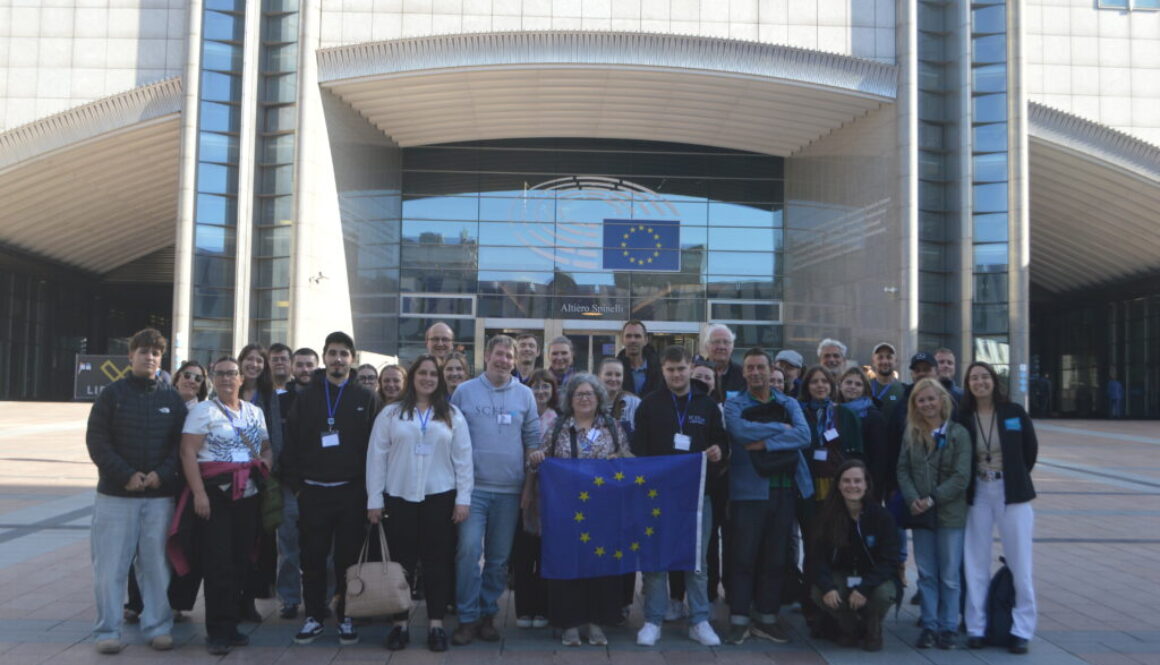
On 12 and 13 October 2026, during the Make Fishing Fair Youth Summit, young fishers, shellfish gatherers, and community advocates from across Europe have officially launched the LIFE Youth Network, demanding fairer policies, genuine support for new entrants, and a formal voice in shaping the future of European seas.
At LIFE, the Board of Directors and staff are delighted to support our young youth representatives in this new adventure, empowering them to shape a fairer, more sustainable future for European seas and coastal communities.
As well as recognition, small-scale coastal fleets need a differentiated approach, with space and secure access to resources and markets – not just sympathy.
The European Parliament Resolution on the Evaluation of the Common Fisheries Policy adopted in Strasbourg last week gives political support to small-scale coastal fleets (SSCF) but fails to treat SSCF as a distinct part of the fleet that requires a differentiated approach, and which should receive preferential access to inshore fishing zones and be rewarded for delivering environmental and social benefits.
Thursday 17 September 2026, the European Parliament Plenary session in Strasbourg adopted a motion for a Resolution on the Evaluation of the Common Fisheries Policy (CFP) and follow-up. The motion was proposed by 4 political groups – the EPP, the ECR, the S&D, and the Reform Group. Counter proposals from other political groups (Left, Greens and PIE) were rejected.
The Resolution calls on the Commission to submit a targeted, ambitious revision and simplification package before the end of 2026 to address severe socio-economic challenges, regulatory burdens, and geopolitical pressures. It calls for a sweeping revision of the CFP to allow for modernisation and fleet renewal; for regulatory simplification (viz à viz the control regulation); for greater flexibility in mixed fisheries to deal with unwanted by-catch, choke species, and also greater flexibility in the implementation of the landing obligation; reassessment of seabed impact by different gears, to incentivise selectivity and decarbonisation, to duly take into account socio-economic considerations alongside the best available scientific advice when setting TACs.
Whilst the resolution cites the Parliament’s previous work on Article 17 of the CFP and recent advances, its operative paragraphs say almost nothing about implementing it whilst disregarding the findings of the Commission’s evaluation of the CFP. LIFE broadly agrees with the Evaluation findings that the current shortcomings of the policy stem less from the CFP framework itself than from uneven implementation and enforcement by Member States, something that the current Resolution fails to address.
LIFE would have liked to have seen an explicit call to implement Article 17 in the spirit of the law (as laid out in Recital 33 of the CFP (Regulation 1380/2013)) by allocating quotas using transparent environmental, social and economic criteria to:
reward selective, low-impact and locally rooted fishing through additional quotas;
reserve part of fishing opportunities for SSCF;
facilitate access for young and new entrant fishers through ring fenced quotas and sectoral support;
correct historic allocations that have consolidated quota in the hands of incumbent and larger operators.
SSCF viability depends less on general recognition than on secure access to fish. Simplifying rules or modernising vessels alone will not help fishers who have insufficient quota or cannot enter quota-managed fisheries. Of note too, is that increasingly the viability of SSCF, even for those with quota, is plagued by a lack of fish in coastal waters due to stock depletion and the impacts of climate change and pollution.
The Resolution calls for socio-economic considerations to be placed alongside scientific advice, but this should not be used to set catches above precautionary scientific limits or for not addressing the need to stop overfishing. For SSCF healthy stocks are the indispensable social policy for fishing communities, combined with targeted short-term support when recovery measures are necessary.
Vulnerable ecosystems must be protected. Differentiating between bottom gears is justified, as is restricting those with greatest impact. However, weakening habitat protection generally would not serve coastal SSF that depend on functioning ecosystems.
Calls for simplification should focus on reducing unnecessary administrative burdens and achieving effective implementation. It should not mean weaker traceability, less reliable catch data, reduced control of larger operators, or lower environmental and social standards. Poor control frequently benefits operators with greater catching capacity and disadvantages compliant small-scale fishers.Therefore, the principle should be differentiated with proportionate implementation, combined with equally effective control, rather than general deregulation.
Let’s remind ourselves: SSCF provides over 50% of the seagoing jobs and land nearly 20% of the catch by value, generating vital social and economic benefits in coastal areas, anchoring livelihoods and commerce. They face existential threats which this Resolution fails to address.
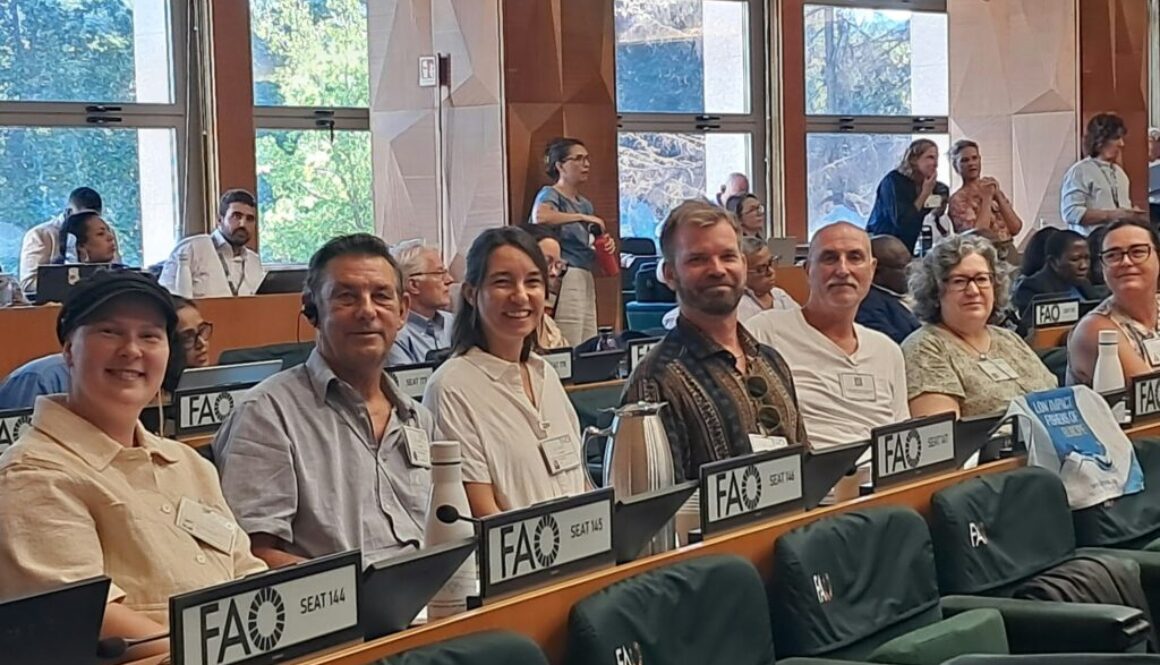
ROME, ITALIE – Six pêcheurs et le secrétaire exécutif de l'organisation Low-Impact Fisheries of Europe (LIFE) ont rejoint des pêcheurs à petite échelle et des partenaires mondiaux au siège de la FAO du 4 au 6 septembre 2026 pour le 3e Sommet sur la pêche artisanale (SSF). Tenu avant le Comité des pêches de la FAO (COFI), le Sommet biannuel offre une plateforme fondée sur les droits pour accélérer la mise en œuvre des Directives volontaires de la FAO de 2014 régissant la pêche artisanale durable (Directives PAD).
La pêche artisanale représente 90% de l'emploi dans les chaînes de valeur de la pêche de capture, contribuer au moins 40% des captures mondiales, et soutiennent 492 millions de moyens de subsistance dans le monde. Malgré ce rôle essentiel, les pêcheurs à petite échelle font face à une marginalisation persistante dans la gouvernance marine.
Tout au long de ce rassemblement de trois jours, qui s'est ouvert par un forum exclusif d'acteurs de la pêche avant de réunir chercheurs, société civile et ministres gouvernementaux, la délégation de LIFE a joué un rôle central dans l'articulation des priorités européennes :
Priorités politiques mondiales : Le président de LIFE Gwen Pennarun a représenté LIFE lors de la session 1.2 aux côtés de mouvements de pêche transnationaux, exigeant un accès préférentiel pour la PPA dans la zone des 12 milles, un accès équitable aux attributions de quotas, ainsi que la nécessité d'un plan d'action juridique pour les pêcheurs à petite échelle et à faible impact, qui pourrait également favoriser le renouvellement générationnel.
Facilitation régionaleSandra Amezaga a co-présenté le résumé de la séance d'ouverture du premier jour et a officiellement animé, aux côtés de Marta Cavallé, le Session de ventilation régionale pour l'Europe et l'Asie centrale, guidant les discussions sur les stratégies de mise en œuvre dans les différentes régions de bassins européens. En guise de principaux résultats, il a été demandé de faire des Directives SSF un outil obligatoire pour les pays en développement mais aussi développés.
Évaluation du plan régional :MacarenaMolina a présenté une évaluation critique du Plan d'action régional pour la pêche artisanale (RPOA-SSF) en Méditerranée et en mer Noire, fondée sur les réalités opérationnelles issues de la Réserve marine du Cabo de Gata à Almería, en Espagne. Elle a mis en évidence les obstacles pressants à sa mise en œuvre, notamment la concurrence spatiale de l'énergie éolienne en mer et du méga-tourisme, le manque d'infrastructures de vente directe, la cogestion mise sur touche et le recul de la représentation des femmes dans la prise de décision. Macarena a appelé les États membres signataires à honorer leurs engagements dans toute la région en garantissant les droits spatiaux, en permettant la vente directe, en restaurant les habitats marins dégradés, en accordant un rôle plus important aux femmes dans la pêche et en établissant une cogestion contraignante.
“Les pêcheurs artisanaux à faible impact ne peuvent pas rester marginalisés dans les décisions politiques qui menacent leurs territoires côtiers,” Les délégués de LIFE ont souligné. “Nous avons besoin d'un engagement politique concret pour transformer les directives mondiales en actions concrètes et en droits exécutoires sur l'eau.”
Réactivation du Cadre stratégique mondial du FSS (SSF-GSF)
L’un des axes principaux du Sommet a été la présentation des résultats du processus de relance du Cadre stratégique mondial en faveur des Lignes directrices sur la pêche artisanale (SSF-GSF). Initialement mis en place après avoir été reconnu par le COFI comme un mécanisme de partenariat mondial, le projet de renouvellement du mécanisme SSF-GSF vise à offrir aux acteurs de la pêche artisanale, aux gouvernements et aux parties prenantes qui les soutiennent une plateforme collaborative destinée à orienter et à encourager la mise en œuvre des Lignes directrices sur la pêche artisanale. Les organisations transnationales ont présenté leur vision et leurs objectifs concernant ce cadre réactivé, qui seront exposés et soumis à l’examen lors des réunions du COFI.
Unification du mouvement mondial pour la Pêche Artisanale et l'Appel à l'Action
Le Sommet a essentiellement fourni une opportunité essentielle de renforcer l'alignement au sein du mouvement mondial de la pêche à petite échelle. En réunissant les principales alliances transnationales — notamment la Low Impact Fishers of Europe (LIFE), la Confédération africaine des organisations professionnelles de la pêche artisanale (CAOPA), le Forum mondial des peuples de la pêche (WFFP) et le Forum mondial des pêcheurs et travailleurs de la pêche (WFF), l'Union des pêcheurs à petite échelle d'Amérique latine (ULAPA), le Conseil international des traités (IITC), le Réseau des femmes africaines transformatrices et commerçantes de produits de la pêche (AWFISHNET), et le Groupe consultatif du Dialogue sur les pêches communautaires (CBFD AG) — les délégués ont coordonné des déclarations politiques communes pour le Comité des pêches (COFI). Cette dynamique collective renforce la nécessité d'un plaidoyer mondial et offre une visibilité accrue aux initiatives pertinentes telles que le Appel à l'action, permettant aux signataires et aux organisations de pêcheurs artisanaux du monde entier de constituer un front uni pour les droits fonciers, la justice océanique et des moyens de subsistance côtiers durables. Cela a été bien visualisé par la remise par la CAOPA à LIFE d'un prix reconnaissant le travail conjoint sur cet appel important.
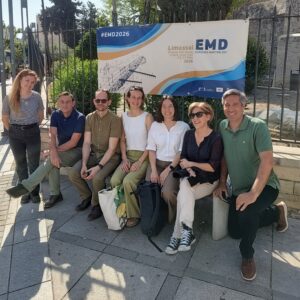
La Journée maritime européenne 2026, qui s'est tenue cette année à Chypre, a offert à la délégation de #MakeFishingFair une tribune importante pour faire valoir les points de vue, les préoccupations et les réalités quotidiennes des petits pêcheurs européens au cœur du débat sur l'avenir de nos mers.
Au cours de deux journées complètes d'échanges avec des décideurs politiques, des parties prenantes et des communautés de pêcheurs locales, la délégation a contribué à une série de discussions opportunes et urgentes sur les pressions croissantes qui pèsent sur le secteur, tout en réaffirmant le rôle indispensable que la pêche à petite échelle doit jouer dans la définition de l'avenir maritime de l'Europe.
Les conversations reflétaient un secteur traversant une profonde incertitude. Qu'il s'agisse de la baisse des stocks de poissons et de l'intensification de la concurrence pour l'espace maritime, des impacts accélérés du changement climatique, de l'exclusion des processus de décision ou du défi croissant d'attirer les jeunes générations vers la profession, les pêcheurs artisanaux de toute l'Europe font face à une réalité en mutation rapide.
Pourtant, au milieu de ces défis, un message a émergé avec clarté et conviction : les pêcheurs à petite échelle possèdent une profondeur de connaissances, d'expérience et de sagesse pratique qui est trop souvent négligée. Lorsque leurs voix sont réellement entendues et que leur contribution est reconnue à sa juste valeur, ils deviennent des partenaires essentiels pour rétablir l'équilibre entre la durabilité environnementale, le bien-être social et la résilience économique au sein des communautés côtières.
L’association « Low Impact Fishers of Europe » (LIFE) et Blue Ventures, qui codirigent la campagne « #MakeFishingFair », continueront à œuvrer dans les mois à venir pour lever les nombreuses incertitudes politiques qui subsistent et pour veiller à ce que les petits pêcheurs continuent à jouer un rôle central dans l’élaboration de l’avenir des mers européennes.
Hier à Strasbourg, en séance plénière, le Parlement européen a adopté une proposition de résolution sur “ l'impact de la mise en œuvre de la directive 2014/89/UE sur la planification de l'espace maritime sur la pêche dans certaines zones de pêche et bassins maritimes ”, reflétant nombre des priorités actuellement soulevées par les pêcheurs artisanaux lors de la Journée maritime européenne à Chypre.
Les Pêcheurs à faible impact d'Europe (LIFE) se félicitent de l'adoption de la proposition de résolution du Parlement européen sur la planification de l'espace maritime (PEM). La résolution ouvre la voie à l'élaboration de la loi sur l'océan (Ocean Act), un nouvel ensemble de législations-cadres visant à renforcer la gouvernance des océans dans l'UE, en servant de point de référence unique pour tous les objectifs économiques, climatiques, environnementaux et sociaux visant à protéger et à utiliser durablement les ressources océanes. Son adoption est prévue pour 2026.
La résolution est également opportune en ce sens que les eaux côtières sont de plus en plus dominées par des acteurs puissants sur les plans financier et politique, encouragés par l'essor de l'économie bleue et de la transition verte vers les énergies renouvelables offshore. Un tapis rouge leur a été déroulé, et la pêche est essentiellement marginalisée dans le cadre d'un processus hautement inéquitable, non structuré et destructeur.
Sous sa forme actuelle, “ la directive GIZC tend à favoriser l'expansion d'activités économiques à forte intensité de capital et exclusives sur le plan spatial, ce qui pourrait marginaliser les usages traditionnels, mobiles et collectifs de la mer, en particulier la pêche ”, font remarquer les législateurs. “ La pêche et l'aquaculture sont des secteurs stratégiques pour la sécurité et la souveraineté de l'UE, notamment en matière de sécurité alimentaire et de souveraineté maritime, et contribuent à la compétitivité et à la résilience des communautés côtières ”, et “ la valeur stratégique de ces secteurs devrait par conséquent être dûment reconnue dans la GIZC ”, soulignent-ils, en faisant observer que : “ garantir un accès suffisant, équilibré et prévisible à l'espace maritime est dès lors essentiel pour développer une pêche européenne compétitive, comme le reconnaît le Pacte pour les océans ”.
La résolution déplore que “ le cadre juridique actuel de la GIZC n'a pas apporté de manière satisfaisante les avantages escomptés pour la pêche ”. Pour que cela se produise, “ la GIZC doit être inclusive, en garantissant l'implication précoce, continue et effective de toutes les parties prenantes concernées, y compris les pêcheurs et les ramasseurs de mollusques et crustacés ainsi que leurs organisations représentatives, et les communautés des régions ultrapériphériques, par le biais d'une approche ascendante et tout au long du processus décisionnel, en veillant à ce que cette implication soit appropriée, significative et ne se limite pas à un simple rôle consultatif ”.
La Résolution souligne “ le rôle essentiel de la pêche à petite échelle ” et appelle à ce que “ la MSP prenne pleinement en compte ce secteur, notamment en termes d'accès à l'espace, de proximité des zones de pêche et de sécurité des activités ”. Elle appelle à “ une approche différenciée de la gestion de la pêche artisanale qui comprend un accès préférentiel dans la zone des 12 milles marins pour la pêche artisanale, les activités à faible impact et les projets de conservation".
Ces recommandations sont étroitement alignées sur celles de LIFE et Blue Ventures “Feuille de route pour une pêche équitable”, qui appelle à un “ Plan d'action pour la pêche à petite échelle en Europe d'ici 2026 ” et qui est actuellement présenté par une délégation de pêcheurs lors de la Journée maritime européenne à Chypre. Ils font également écho à l'Appel à l'action conjoint pour l'avenir de la pêche à petite échelle, lancé par l'Union des pêcheurs à petite échelle de Chypre lors du même forum, reflétant une dynamique croissante à travers l'Europe en faveur de politiques de pêche à petite échelle plus justes, plus inclusives et plus résilientes.
Les députés européens réclament la mise en œuvre d'une approche de la planification de l'espace maritime (PEM) ascendante, équilibrée et polyvalente qui viserait à éviter les effets négatifs sur les ressources marines et la biodiversité, et par conséquent sur la pêche et l'aquaculture, et garantirait que ces activités ne soient pas exclues de l'espace maritime. Leur résolution souligne que “ la co-localisation d'activités, telles que les infrastructures éoliennes en mer fixes ou flottantes, peut également être utilisée pour développer l'aquaculture, la conchyliculture et la culture d'algues, ainsi que pour la protection des habitats de la faune et de la flore marines, ou pour des activités régénératrices et des activités de pêche telles que la pêche passive et à faible impact ”.
Quatre de ses recommandations sont particulièrement importantes pour la pêche côtière à petite échelle, à savoir l'appel à :
une augmentation des zones réservées à la petite pêche côtière à faible impact dans la limite de la zone des 12 milles nautiques et soutenues par des régimes de cogestion
la Commission et les États membres à reconnaître la pêche comme un utilisateur stratégique et prioritaire de l'espace maritime, essentiel à la souveraineté alimentaire et à la sécurité alimentaire de l'UE, à l'emploi côtier et à l'autonomie stratégique, et à refléter explicitement ce statut dans les plans d'aménagement de l'espace maritime et dans la prochaine révision de la directive sur l'AEM ;
une approche différenciée de la gestion de la pêche artisanale qui comprend un accès préférentiel dans la zone des 12 milles marins pour la pêche artisanale, les activités à faible impact et les projets de conservation ; et
la cogestion comme modèle de gouvernance et de prise de décision pour la MSP, avec les avantages de permettre l'implication directe des parties prenantes, une meilleure gestion des ressources halieutiques, le partage des meilleures pratiques et une approche adaptée aux réalités locales, en particulier lorsqu'elle s'appuie sur des structures existantes et éprouvées ainsi que sur les connaissances pratiques des communautés de pêcheurs locales et d'autres structures telles que les ORGP. Elle souligne que la cogestion peut également contribuer à promouvoir le renouvellement générationnel dans le secteur et à renforcer la résilience économique de la petite pêche et de la flotte côtière.
Bien que LIFE regrette que la résolution ne prévoie pas explicitement un plan d'action pour la pêche à petite échelle en Europe, elle ouvre la voie à l'inclusion d'un tel plan d'action dans la future loi sur les océans (Ocean Act). Un tel plan devrait s'appuyer sur les principes des Directives volontaires de la FAO régissant la pêche à petite échelle (directives SSF) et établir une approche politique et de gestion différenciée pour la pêche à petite échelle et la pêche à plus grande échelle.
Ce plan devrait inclure des mesures concrètes assorties d'un calendrier contraignant que les institutions européennes et les États membres devraient respecter, avec les principaux objectifs suivants :
Restaurer les stocks de poissons en utilisant de meilleures sciences et les connaissances traditionnelles pour rétablir la santé des écosystèmes
Protéger la Pêche Artisanale et Côtière (SSF) face aux secteurs concurrentiels de l'économie bleue à fort impact en garantissant un accès et des droits fonciers préférentiels dans les eaux territoriales, en s'étendant jusqu'aux zones des 6 et 12 milles marins le cas échéant.
Appliquer des systèmes de cogestion adaptative dans toutes les zones côtières
Garantir une répartition équitable des possibilités de pêche sur la base de critères sociaux, économiques et environnementaux
Favoriser le renouvellement générationnel en supprimant les obstacles et en offrant des incitations, ainsi que des formations, du mentorat et des moyens de subsistance décents aux jeunes pêcheurs.
Construire des communautés résilientes capables de s'adapter au changement climatique
Garantir un accès équitable au soutien sectoriel et aux marchés
Promouvoir l'égalité des genres en reconnaissant la contribution des femmes et en garantissant une participation et des opportunités égales.
Alors que l'Europe s'oriente vers une nouvelle législation sur les océans, le message des décideurs politiques et des communautés de pêcheurs devient de plus en plus clair : la gouvernance maritime ne peut plus être façonnée uniquement autour de l'expansion industrielle et des intérêts concurrents de l'économie bleue. La pêche à petite échelle doit être reconnue comme un acteur stratégique pour assurer la durabilité des moyens de subsistance côtiers, préserver le patrimoine culturel et gérer les écosystèmes marins.
La résolution du Parlement européen marque une étape politique importante vers une approche de la planification de l'espace maritime plus équilibrée, démocratique et socialement juste. Le défi consistera désormais à traduire ces principes en mesures contraignantes, en systèmes de cogestion efficaces et en protections concrètes pour la pêche artisanale en mer. Pour LIFE et ses partenaires, la future loi sur l'océan représente une opportunité cruciale de placer l'équité et l'inclusion au cœur de l'avenir maritime de l'Europe.
“ La reconstitution des stocks de poissons accuse un retard, ce qui pénalise les pêcheurs et les communautés côtières ”, déclare le commissaire Costas Kadis
Cela ne nous apprend pas grand-chose que nous ne sachions déjà : les trois piliers du développement durable – social, économique et environnemental – qui soutiennent une pêche saine, prospère et durable présentent des fissures et ont besoin d'être réparés. Du point de vue de la pêche côtière à petite échelle, ces fissures constituent une menace potentiellement mortelle.
D’un point de vue environnemental, on observe une diminution du nombre de poissons présentant un intérêt commercial et atteignant une taille satisfaisante en mer. En conséquence, les débarquements dans les ports européens sont en baisse, ce qui entraîne une dépendance croissante vis-à-vis des importations de poisson pour répondre à la demande de consommation. Dans l’ensemble, les débarquements déclarés ont diminué d’environ 30% par rapport à 2014, tandis que les consommateurs européens comptent sur les importations pour plus de 80% de leur consommation. Cela met en évidence la contribution extrêmement faible des pêcheries de l’UE à la sécurité alimentaire au sein de l’Union.
Bien qu'à LIFE nous soyons d'accord avec le concept de gestion des pêches fondée sur la science, nous ne sommes pas d'accord avec la manière dont le RMD est actuellement appliqué en Europe. Plutôt que de maintenir et de reconstituer les pêches, la PCP perpétue la surpêche. LIFE a depuis longtemps a demandé une révision de la base scientifique de la gestion des pêches en utilisant des points de référence biologiques plus appropriés pour le RMS qui permettent à la fois de reconstituer les stocks et de favoriser la croissance du stock reproducteur, afin de garantir un meilleur équilibre entre les individus plus âgés et plus grands. Cela impliquera la modification de la manière dont les conseils scientifiques sont fournis, passer de modèles mono-espèces à des avis pour la pêche axés sur le rétablissement et l'écosystème, qui donnent la priorité à la biomasse plutôt qu'aux rendements.
D'un point de vue socio-économique, la pêche côtière artisanale (PCA) lutte pour sa survie. Au cours des quatre années allant de 2018 à 2022, la valeur des prises de la PCP en mer Baltique, en mer Noire, en Méditerranée et en mer du Nord a diminué de 30% à 36%, selon les données du rapport AER 2025 du CSTEP. Parallèlement, le vieillissement de la flotte de pêche va de pair avec celui de la population de pêcheurs, la génération Z et les milléniaux ne trouvant pas de perspectives d’avenir attrayantes dans ce secteur. Quant à ceux qui restent dans la profession, ils ont le sentiment d’être dans une impasse.
"Je m'inquiète pour l'avenir de notre profession, qui est la forme de pêche la plus durable et à plus faible impact. En travaillant avec les jeunes comme je le fais, pour leur donner un coup de main, j'ai vu de mes propres yeux les multiples obstacles et la dégradation des perspectives auxquels ils font face. La pêche de demain dépend de la jeunesse d'aujourd'hui. Pourtant, les pêcheries ciblées dont nous dépendons sont progressivement fermées, tandis que la pêche industrielle non ciblée est autorisée à exploiter ces mêmes ressources plus ou moins en toute impunité. Cela doit changer”, déclare Gwen Pennarun, président de LIFE, un pêcheur professionnel ayant plus de 30 ans d'expérience en mer.
Marta Cavallé, la secrétaire exécutive de LIFE, souligne : “L’une des principales lacunes de la PCP réside dans le fait qu’elle n’est tout simplement pas conçue pour la flotte de pêche artisanale (SSCF), qui représente 50% des emplois en mer et 70% de la flotte en nombre d’unités. L’article 17 pourrait changer la donne, s’il était appliqué dans l’esprit de la loi. Bien que nous reconnaissions que l’attribution des possibilités de pêche relève de la prérogative nationale, nous souhaiterions que la Commission joue un rôle plus proactif dans l’élaboration de critères appropriés, tels que décrits dans le Vademecum, et qu’elle soutienne et encourage les États membres à les appliquer.."
Pour contrer les défis croissants auxquels fait face le secteur de la pêche en raison de la mauvaise mise en œuvre de la PCP, les membres de LIFE, ainsi qu'un réseau plus large de pêcheurs à petite échelle, ont élaboré leur propre ensemble de priorités et de solutions pour la pêche à petite échelle dans le Faire de la pêche une foire Feuille de route. Cette initiative reflète les connaissances collectives et l'expérience pratique des communautés côtières, en proposant des mesures concrètes pour garantir la durabilité environnementale, l'équité sociale et la viabilité économique.
La proposition invite principalement les institutions européennes à établir un plan d'action global pour la pêche à petite échelle en Europe d'ici 2026, visant à sauvegarder l'avenir du secteur et à reconnaître son rôle essentiel dans la viabilité des communautés côtières. Ce plan sert de point de référence commun pour un engagement coordonné avec les décideurs politiques, garantissant que la voix et les priorités des petits pêcheurs soient systématiquement représentées dans les discussions régionales, nationales et européennes et, surtout, il guidera également les positions du groupe dans la réflexion sur les prochaines étapes de la politique commune de la pêche, en apportant des éclairages pratiques et fondés sur l'expérience aux évolutions futures.
Nous sommes ravis d'accueillir Claudia Giulia Cantele Silva en tant que nouveau responsable administratif et financier.
Depuis notre bureau de Bruxelles, elle aidera à renforcer nos processus internes et contribuera à la gestion et à la coordination efficaces des activités dans l'ensemble de l'organisation.
Pouvez-vous vous présenter brièvement et nous parler de votre parcours professionnel avant de rejoindre LIFE ?
Je suis un professionnel de la finance avec plus de 15 ans d'expérience dans différents domaines de la finance, de la comptabilité et de la fiscalité à la budgétisation et aux prévisions. J'ai une expérience internationale, ayant travaillé au Brésil - mon pays d'origine - en France, en Hongrie et maintenant en Belgique. Bien que j'aie travaillé dans divers secteurs, ma dernière expérience a été acquise dans le secteur bancaire, où j'ai dirigé une équipe de conseillers financiers pour les clients du Wholesale Banking. J'habite à Anvers, à environ deux heures de notre bureau de Bruxelles. Je suis mariée, je n'ai pas d'enfants (mais beaucoup de plantes) et la lecture est l'une des choses que je préfère au monde. Mon frère aîné est pêcheur en Alaska, et certains de mes plus beaux souvenirs d'enfance sont liés à ses visites et aux photos de la vie en mer qu'il partageait avec moi.
En quoi votre expérience antérieure dans le secteur des entreprises vous aide-t-elle dans votre travail à LIFE ?
Je pense que le secteur des entreprises m'a permis d'être exposée à plusieurs stratégies et outils différents pour une gestion efficace des ressources et des gains d'efficacité, que j'ai l'intention de mettre en pratique à LIFE, pour faciliter les processus internes, mais aussi pour offrir un soutien à notre réseau de pêcheurs lorsqu'ils ont besoin d'une expertise et de conseils financiers. Un autre objectif est d'aider LIFE à atteindre sa stratégie de financement à long terme, ce que j'ai déjà réussi à faire dans le passé.
Depuis que vous avez rejoint LIFE, quel a été l'aspect le plus intéressant ou le plus surprenant de votre travail avec le secteur de la pêche artisanale ?
L'aspect qui m'a le plus surpris a certainement été d'apprendre que les petits pêcheurs constituent en fait la majeure partie de la flotte et de la main-d'œuvre dans le secteur de la pêche, ce qui rend frappant le fait qu'ils soient encore sous-représentés dans la prise de décision au sein de l'UE. Ce qui est également surprenant, c'est de comprendre à quel point le secteur de la pêche artisanale est intégré et connecté à l'ensemble du système alimentaire et à quel point il peut avoir un impact significatif lorsqu'il est correctement impliqué dans l'élaboration des politiques.
Quel message souhaiteriez-vous partager avec le réseau LIFE de pêcheurs et de partenaires à travers l'Europe ?
Un message que j'aimerais faire passer est que j'accorde une grande importance à la collaboration, à l'ouverture et à la transparence. N'hésitez donc pas à me contacter à tout moment pour me faire part de vos suggestions, de vos idées, de vos préoccupations ou de vos commentaires. Je suis toujours prêt à écouter avec intention et à travailler pour que notre partenariat ait du sens et de la valeur pour toutes les personnes impliquées. En tant que responsable administratif et financier, ma mission, avec l'ensemble du personnel de LIFE, est de veiller à ce que tous les membres de notre réseau et les partenaires à travers l'Europe se sentent valorisés et confiants dans le fait que leurs ressources sont utilisées là où elles auront le plus d'impact, garantissant ainsi un avenir plus durable pour tous.
Le site Partenariat pour la transition énergétique (PTE) de la Commission européenne a publié son recommandations communes et sectorielles, La Commission européenne a élaboré un plan d'action en vue d'informer la future Commission européenne de l'état d'avancement des travaux. Feuille de route pour la transition énergétique dans le secteur de la pêche et de l'aquaculture vers la neutralité climatique d'ici 2050.
Les recommandations ont été préparées grâce au travail des groupes de soutien de l'ETP, qui ont réuni des pêcheurs, des organisations de parties prenantes, des chercheurs et d'autres experts afin d'identifier les priorités et les défis clés pour le secteur.
Le site Groupe de travail sur la pêche à petite échelle (SSF) a joué un rôle important dans ce processus. Ses recommandations reflètent la contribution collective des pêcheurs artisanaux et des membres de LIFE de toute l'Europe, qui ont apporté leur expérience, leurs connaissances et leurs points de vue aux discussions. Leur engagement a permis de s'assurer que les réalités de la pêche à petite échelle et à faible impact étaient clairement exprimées, y compris l'importance de stocks de poissons sains, d'un accès équitable aux ressources, d'approches différenciées de la transition énergétique et de la nécessité d'un soutien public adapté.
LIFE souhaite remercier tous les pêcheurs artisanaux et les organisations membres qui ont consacré du temps et des efforts à ce processus, ainsi que Marta Cavallé, secrétaire exécutive de LIFE, qui a coordonné les travaux du groupe de travail sur la pêche à petite échelle.
Le 10 janvier, deux ans après sa publication, la Règlement de contrôle des pêches de l'Union européenne est entré en vigueur pour les navires de plus de 12 mètres. Les petits navires de pêche de moins de 12 mètres ont encore deux ans avant que le règlement ne soit mis en œuvre, mais la plupart d'entre eux se sont joints aux manifestations et à la grève générale convoquées hier par le secteur espagnol de la pêche côtière, en raison de leur inquiétude concernant certaines des mesures qui entreront en vigueur en 2028.
Le secteur de la pêche artisanale ne nie pas la nécessité d'un contrôle efficace, mais son mécontentement actuel est dû à la bureaucratie excessive et à la charge administrative élevée que le règlement implique et qui, dans le même temps, peut représenter un risque élevé pour la sécurité maritime. Lorsque le règlement LIFE a été publié en 2024, LIFE en a fait une brève analyse.
Actuellement, les pêcheurs affirment que ceux qui ont rédigé et approuvé le règlement de contrôle ne connaissent pas la réalité du secteur de la pêche artisanale et ce que ses exigences signifieront réellement dans leur travail quotidien. Plus précisément, ils s'opposent à
- Notification 4 heures avant l'entrée au port : Pour les navires qui pêchent près de la côte et effectuent des sorties qui durent normalement moins de 12 ou même 8 heures, ce délai est difficile à deviner, coïnciderait probablement avec les opérations de pêche et n'ajouterait aucune information utile au contrôle puisque - du moins en Espagne - chaque modalité de pêche a son propre horaire de départ et de retour au port.
- Le poisson devra être pesé à bord avec une marge d'erreur inférieure à 10% : Il est impossible de démêler, trier et peser le produit à bord avant l'entrée au port, dans de petites embarcations, parfois sans équipage, en manœuvrant et avec le navire en mouvement, ce qui porte gravement atteinte à la sécurité maritime. S'il est important d'avoir une déclaration de capture précise, cela peut attendre l'arrivée à terre, où tous les équipements et conditions nécessaires sont en place pour le faire avec toutes les garanties et précisions nécessaires.
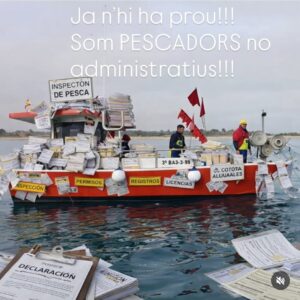
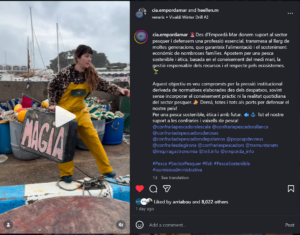
Les membres espagnols de LIFE, dont Empordà Mar, ont fait entendre leur voix sur le terrain et sur les médias sociaux.
D'autre part, le manque d'informations et l'incertitude que les États membres fournissent sur le fonctionnement du système de numérisation, depuis le journal de bord électronique jusqu'à la nouvelle obligation d'embarquer un système VMS sur les navires de petite taille, sont une source d'inquiétude pour le secteur, qui exige qu'ils soient pris en compte dans la conception du système. Si elle est correctement mise en œuvre, la numérisation pourrait révolutionner la collecte et l'utilisation des données, en responsabilisant les pêcheurs d'une part, en améliorant leur visibilité et en renforçant la fiabilité des avis scientifiques d'autre part. Si elle n'est pas mise en œuvre correctement, avec des systèmes de suivi et de collecte de données qui n'ont pas été suffisamment testés, qui sont coûteux et qui n'ont pas été conçus avec la participation des pêcheurs dès le départ, elle pourrait faire des ravages et alourdir encore le fardeau bureaucratique, comme nous l'avons vu avec la mise en œuvre désastreuse du système de suivi iVMS au Royaume-Uni. Le secret d'une numérisation réussie réside dans la multifonctionnalité : les systèmes de surveillance des navires et de déclaration électronique des captures doivent être utiles à la fois aux autorités et aux pêcheurs, faute de quoi ils ne fonctionneront tout simplement pas.
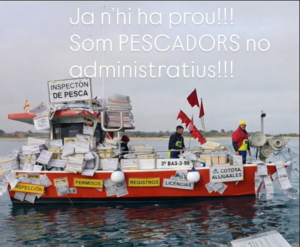
Les pêcheurs espagnols de petite taille s'associent aux protestations contre certaines dispositions du règlement de contrôle de la pêche
Crédit photo @Es corall
Le 10 décembre dernier, 2 ans après sa publication, la Commission a mis en place le système d'information sur les droits de l'homme de l'UE. Reglamento de Control de la actividad pesquera de la Union europea pour les bateaux de plus de 12 mètres. Pour la pêche à petite échelle, de moins de 12 mètres, il reste encore 2 ans avant la mise en œuvre, mais la plupart d'entre eux ont participé hier aux manifestations et à la conférence générale du secteur de la pêche à petite échelle en Espagne, préoccupés par certaines des mesures qui seront mises en œuvre en 2028.
El sector arLa nécessité d'un contrôle efficace n'est pas à démontrer, mais le problème actuel est dû à la bureaucratisation excessive et à la lourde charge administrative que le règlement entraîne et qui, à terme, peut faire peser un risque élevé sur la sécurité maritime. Cuando se publicó el Reglamento Control en 2024, LIFE ya hizo un breve análisis del mismo.
Actuellement, les pêcheurs affirment que ceux qui ont rédigé et approuvé le règlement de contrôle ne connaissent pas la réalité du secteur de la pêche à petite échelle et ne savent pas ce que ces exigences supposent réellement dans leur vie quotidienne. Concretamente, se manifiestan en contra de :
- Notificación con 4 horas de antelación antes de entrar en puerto : Para los buques que faenan cerca de la costa y realizan salidas que normalmente duran menos de 12 o incluso 8 horas, este plazo es difícil de calcular, probablye coincidiría con las operaciones de pesca y no aporta ninguna información útil al control, ya que, al menos en España, cada modalidad pesquera tiene su propio horario de salida y regreso al puerto.
- Le poisson doit être pesé à bord et avec une marge d'erreur inférieure à 10%. Parvenir à réduire, classer et peser le produit à bord avant d'entrer dans un port, dans des embarcations de petite taille, parfois sans aucun triplicateur, alors que le bateau est en mouvement, est une tâche impossible qui affecte gravement la sécurité maritime. Si bien es important tener la declaración ajustada de capturas, ello puede esperar a su llegada en tierra donde hay todo el material y condiciones para poderlo hacer, con todas las garantías y exactitud necesarias.
Les membres espagnols de LIFE, dont Empordà Mar, ont pu s'exprimer tant sur le terrain que sur les réseaux sociaux.
D'autre part, l'insuffisance des informations et l'incertitude que les États membres ont quant à l'évolution du système de numérisation, du journal électronique et la nouvelle obligation de mettre en place un système de VMS pour les embarcations de petite taille préoccupent le secteur, qui demande à ce que le système soit pris en compte lors de sa conception. La numérisation, si elle est correctement mise en œuvre, pourrait révolutionner la collecte et l'utilisation des données, en aidant les pêcheurs, d'une part, en améliorant leur visibilité et en augmentant la fiabilité de l'assistance scientifique, d'autre part. S'il n'est pas mis en œuvre correctement, avec des systèmes de suivi et de recopilation de données sans test suffisant, des coûts élevés et sans la participation des pêcheurs à sa conception dès le départ, il pourrait causer des problèmes et augmenter encore plus la charge de travail, comme nous l'avons vu avec l'implantation désastreuse du système de suivi iVMS au Royaume-Uni. Le secret de la réussite de la numérisation réside dans sa polyvalence : les systèmes de suivi des navires et de notification électronique des captures doivent être utiles aussi bien aux autorités qu'aux pêcheurs ; en revanche, ils ne fonctionnent tout simplement pas.
Additional information on the general strike in the press/Información adicional sobre la huelga general en la prensa
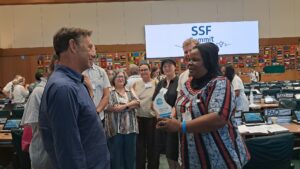 Le Sommet a essentiellement fourni une opportunité essentielle de renforcer l'alignement au sein du mouvement mondial de la pêche à petite échelle. En réunissant les principales alliances transnationales — notamment la Low Impact Fishers of Europe (LIFE), la Confédération africaine des organisations professionnelles de la pêche artisanale (CAOPA), le Forum mondial des peuples de la pêche (WFFP) et le Forum mondial des pêcheurs et travailleurs de la pêche (WFF), l'Union des pêcheurs à petite échelle d'Amérique latine (ULAPA), le Conseil international des traités (IITC), le Réseau des femmes africaines transformatrices et commerçantes de produits de la pêche (AWFISHNET), et le Groupe consultatif du Dialogue sur les pêches communautaires (CBFD AG) — les délégués ont coordonné des déclarations politiques communes pour le Comité des pêches (COFI). Cette dynamique collective renforce la nécessité d'un plaidoyer mondial et offre une visibilité accrue aux initiatives pertinentes telles que le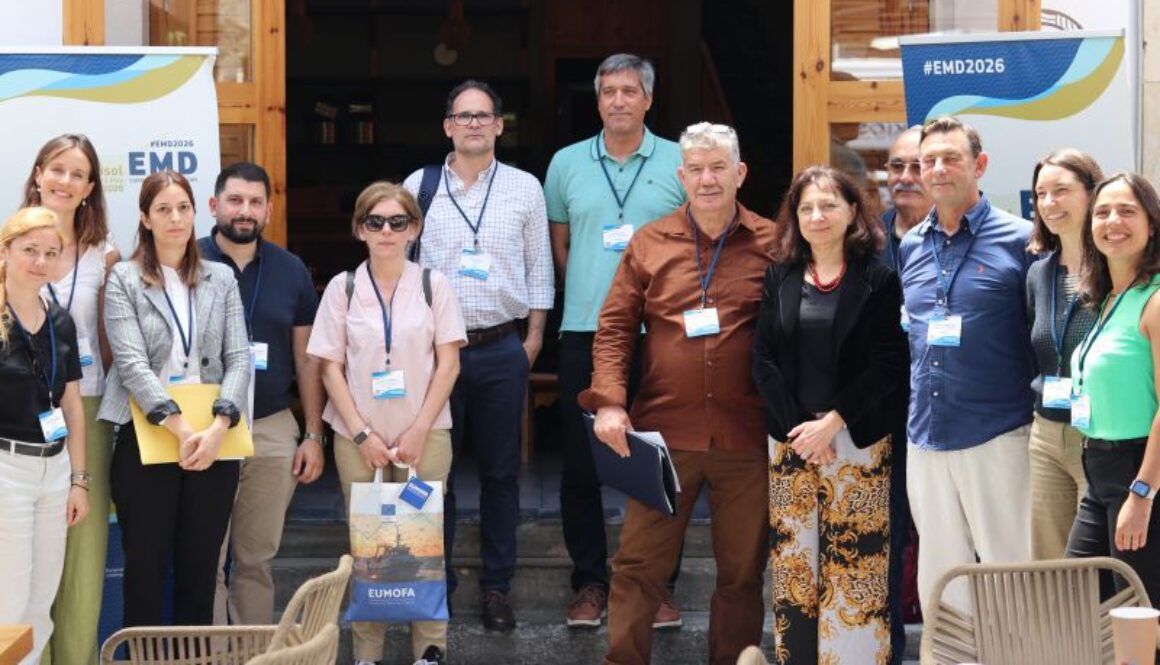
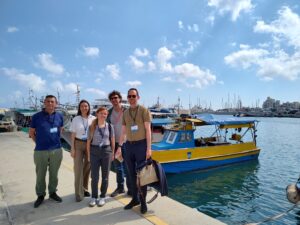 Au cours de deux journées complètes d'échanges avec des décideurs politiques, des parties prenantes et des communautés de pêcheurs locales, la délégation a contribué à une série de discussions opportunes et urgentes sur les pressions croissantes qui pèsent sur le secteur, tout en réaffirmant le rôle indispensable que la pêche à petite échelle doit jouer dans la définition de l'avenir maritime de l'Europe.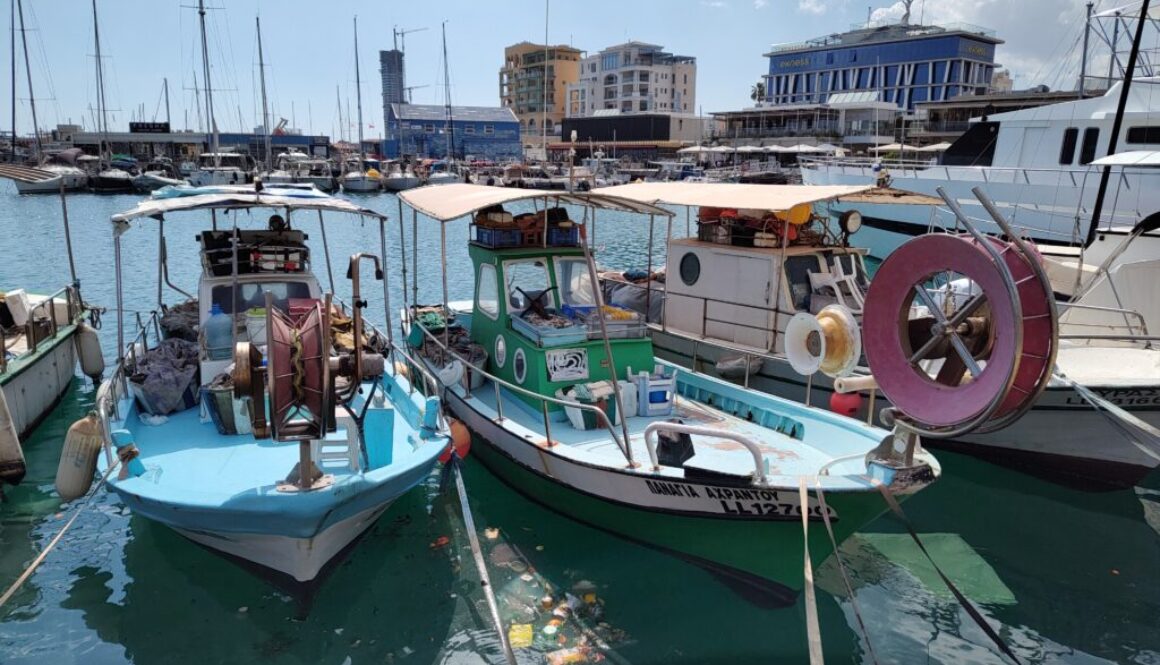
 Ces recommandations sont étroitement alignées sur celles de LIFE et Blue Ventures “

 Nous sommes ravis d'accueillir Claudia Giulia Cantele Silva en tant que nouveau responsable administratif et financier.