Make Fishing Fair…now!
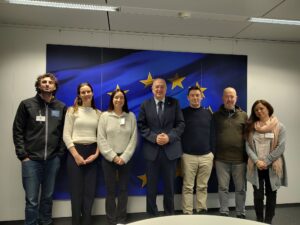
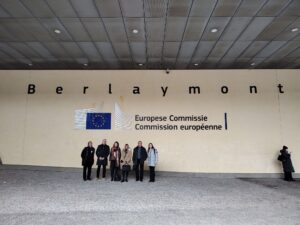
Make Fishing Fair event held in Brussels on 17 November
Access the Make Fishing Fair Roadmap here
Photo @Matt Judge/Blue Ventures
Make Fishing Fair event held in Brussels on 17 November
Access the Make Fishing Fair Roadmap here
Photo @Matt Judge/Blue Ventures
8/10 LIFE Board of Directors meet to discuss direction for 2025/2026
The Secretariat updated the Board of Directors (BOD) the most recent on developments, with a focus on the upcoming Small-Scale Fisheries Implementation Dialogue and LIFE’s role in it. This round-table is an integral part of the EU Commissioner’s Mission, and is scheduled for November 24. For LIFE, it highlights important political capital and an important not to be missed opportunity. A key highlight of the meeting was the approval of the application of the Norwegian Association “Norges Kystfiskarlag” as Associate Members, further strengthening LIFE’s representation in Northern Europe. Recommendations for responding to the issue of a Small-Scale Fisheries Advisory Council were also agreed alongside the Make Fishing Fair Roadmap, with key priorities and format of a call to action that will be discussed during a dedicated event in Brussels on the 17 of November.
The upcoming Elective General Assembly and enhancing LIFE’s engagement within the Advisory Councils were also discussed. LIFE’s BOD remains committed to advancing the voice and rights of small-scale fishers across Europe, with renewed energy and solidarity.
8/10 New members on board: small-scale fishers from Norway join LIFE
LIFE is pleased to welcome Norges Kystfiskarlag, representing Norway’s small-scale fishers, as a new member of the network. With over 400 vessels committed to low-impact, sustainable fishing, Norges Kystfiskarlag brings valuable experience and a strong voice from Norway’s coastal communities. Their membership strengthens cooperation across the North Sea region, enhancing joint efforts toward fair, sustainable, and resilient fisheries management in Europe’s northern waters.
13/10-17/10 LIFE at Ocean Week 2025
LIFE actively participated in this year’s EU Ocean Week which took place in the European Parliament, engaging in key debates on sustainable fisheries, equitable funding, and community-based ocean governance.
Brian O’Riordan, LIFE Policy Advisor, joined the panel of an event on EU funding organised by ClientEarth alongside Seas At Risk and BirdLife to discuss the urgent need to rethink EU fisheries subsidies under the next Multiannual Financial Framework (MFF). The initiative was hosted by French MEP Yon Courtin, and the discussion highlighted how current funding through the European Maritime, Fisheries and Aquaculture Fund (EMFAF) continues to favour large-scale industrial fleets, calling instead for fair and sustainable financing that supports small-scale, low-impact fishers and healthy marine ecosystems.
Praising the Communty-Led Local Development (CLLD) approach, LIFE emphasised that for small-scale fishers to benefit from sectoral support going forward, three prerequisite conditions need to be met:
LIFE staff also attended an event organised by Blue Marine and Oceano Azul, hosted by MEP Paulo do Nascimento Cabral, which focused on community engagement in the designation and management of Marine Protected Areas (MPAs). The event highlighted successful examples from across Europe and reaffirmed the importance of involving local fishers and coastal communities in achieving the EU’s goal of protecting 30% of its seas by 2030. It featured testimonies from fishers from mainland Portugal, Greece, and Italy, and included an address by EU Commissioner Costas Kadis.
Finally, LIFE participated in the FishSec event “Small Fish, Big Impact: Time for Ecosystem-Based Management,” chaired by MEP Isabella Lövin. The discussion underscored the crucial role of small pelagic species such as sprat, herring, and sandeel in maintaining marine ecosystem health and called for their sustainable, ecosystem-based management across Europe.
In parallel, LIFE’s Executive Secretary, Marta Cavallé, attended the European Foundations for Sustainable Agriculture and Food (EFSAF) gathering, joining civil society actors working toward a fair and sustainable agri-food transition. Her participation helped align small-scale fisheries priorities with regenerative food movements and explore synergies between ocean and land-based communities for resilient, nature-positive food systems.
Through these engagements, LIFE continues to advocate for sustainability, fairness, and community participation at the heart of EU ocean and fisheries policies.
16/10 LIFE Responds to the EC Proposal for Baltic Sea Fishing Opportunities 2026
On 16 October, LIFE attended the European Parliament’s PECH Committee, where the European Commission presented its proposal for 2026 Baltic Sea fishing opportunities.
LIFE welcomes the proposal as a step toward stock recovery, but warns that the small-scale coastal fishery (SSCF) — which represents 92% of the fleet and 77% of fishing employment — continues to bear a disproportionate share of the recovery burden. LIFE calls for quota cuts to be directed toward the industrial pelagic fleet, which dominates Baltic catches and supplies fishmeal largely for export, while maintaining limited SSCF access and addressing ecological pressures such as prey depletion and unmanaged predators.
Following the Council’s decision, LIFE expresses deep disappointment. Ministers allocate nearly 97% of the total Baltic commercial catch to herring and sprat, most destined for fishmeal and export — a choice that favours short-term industrial gains over ecosystem recovery and the survival of coastal fisheries.
Despite encouraging signals from Commissioner Costas Kadis, who prioritises reversing the decline in the Baltic, the Council’s actions fall short. The 45% increase in the sprat quota, based on uncertain scientific assumptions, risks repeating past mistakes and undermines fragile stocks.
LIFE continues to call for prudence and fairness in Baltic fisheries management — to rebuild ecosystems, restore livelihoods, and secure a sustainable future for small-scale fishers.
22/10 LIFE members excluded from market as they lack MSC certification
When one of our members went to deliver herring to a local processor, they received bad news. The supermarket chain that they supplied would now only accept fish that came from trawlers because they were MSC certified. After journalists reported on the story there have been further discussions on creating a solution but at present fishing with selective, low impact methods means they are excluded from the market. This highlights how important LIFE’s work to establish a Participatory Guarantee System (PGS) for small-scale fisheries is key for their viability.
31/10 LIFE follows up with the Commission and ICES regarding scientific advice
In a continuation of the dialogue that we began in May with a lettre to Commissioner Costas Kadis, LIFE has recommended that the request from the EU for scientific advice on the management of fish stocks is adjusted so that the models used for advice aim to provide moreand larger fish.
With the 5 year Framework Partnership Agreement between the Commission and ICES due to expire next year and the upcoming discussions regarding the Annual Grant Agreement we see an opportunity to improve the basis upon which management takes its decisions and thereby implements the Common Fisheries Policy more successfully.
As we have seen in the recent discussions on Baltic quotas, the interpretation of ICES advice has become a key part of the negotiations while the need for rebuilding advice is long overdue.
We make two recommendations for immediate improvements to the scientific advice. Firstly, mixed unsorted catches from the industrial fleet should be controlled by eDNA when landings exceed 1 tonne. This would improve data quality by accurately recording bycatch and species composition. Secondly, thresholds should be revised so that stocks are kept to at least 40% of their original size while fishing on small pelagic species and prey stocks should be limited so as to improve biodiversity and ecosystem health.
23-24/10 – 29th Meeting of the Member States Expert Group on Maritime Spatial Planning (MSEG) in Limassol, Cyprus.
Earlier this year, LIFE was accepted as an observer to the MSEG — a forum where Member States exchange knowledge and experiences on Maritime Spatial Planning (MSP). LIFE attended this meeting remotely in its observer capacity.
A significant part of the discussions focused on the implementation dialogue held in July, the supporting studies, and the future revision of the Maritime Spatial Planning Directive (MSPD). As outlined in the Ocean Pact, the European Commission plans to propose an “Ocean Act”, which will include a revision of the MSPD and an initiative on ocean observation. Consequently, much of the meeting was dedicated to engaging with Member States on the forthcoming MSPD/Ocean Act revision.
Energy Transition Partnership: next steps
The Energy Transition Partnership (ETP) process to develop contributions for a future Roadmap for the Energy Transition in Europe is reaching a crucial and decisive stage.
Following numerous meetings throughout the year with both the SSF Working Group and the wider Support Group, the SSF Working Group has finalised its sectoral recommendations for the Energy Transition. These have been submitted to DG MARE and the ETP Assistance Mechanism.
The entire Support Group is now discussing the joint recommendations, which will highlight the points of convergence across different sectors. The final document is expected to be published by December.
LIFE Baltic Coordinator Interviewed by Swedish Radio on Salmon Bycatch
LIFE’s Baltic and North Sea Coordinator, Christian Tsangarides, was recently interviewed by a Swedish Radio on the issue of salmon bycatch in the Baltic Sea.
Christian explained LIFE’s mission as an organisation that unites small-scale fishers and members committed to low-impact, environmentally responsible fishing. He highlighted that up to 100,000 salmon may be caught as bycatch in the Baltic each year — a figure that, while uncertain and based on older estimates, underscores the urgent need for better data and monitoring.
He noted that new tools such as environmental DNA (eDNA) could play a key role in improving knowledge on salmon bycatch and assessing whether it poses a threat to wild salmon populations. eDNA works by analysing genetic material shed by organisms into their environment, allowing scientists to identify species, support stock assessments, and even trace illegal or unreported catches without the need for direct capture.
The interview also features the perspective of Dennis Bergman, a Swedish small-scale fisher, who explains why salmon is so vital to small-scale fisheries and coastal communities across the Baltic region.
Coming up:
4-5/11 Helsinki, Finland – Energy Transition in Fisheries, from visions to action: The Conference on Energy Transition in Fisheries brings together Northern European stakeholders to define concrete actions for a decarbonization of the fisheries sector.
17/11 Brussels, Belgium – Via their Make Fishing Fair campaign, LIFE and Blue Ventures bring together 45 fishers from 17 countries across Europe to meet with EU Commissioner Costas Kadis, MEPs and stakeholders to present their priorities and demands for resilient, fair, and profitable small-scale fisheries.
17-18/11 Viimsi,Tallinn, Estonia – Baltic Sea Regional Forum for the EU Mission on Adaptation to Climate Change: the Forum will have a special focus on the Baltic region and bring together regional and local leaders, Mission Ocean Charter Signatories, policymakers, experts, and project practitioners to share best practices in climate adaptation and resilience.
24/11 Brussels, Belgium – Implementation Dialogue on Small-Scale Fisheries – the European Commission will host an Implementation Dialogue on Small-Scale Fisheries (SSF), bringing together stakeholders to discuss progress and next steps in advancing the SSF sector across Europe. The meeting aims to ensure effective implementation of policies supporting small-scale fisheries.
The letter highlights the need for better data quality and more realistic proxy values to rebuild fish populations. It calls for leadership to ensure sustainable, ecosystem-based management that benefits both fisheries and biodiversity.
It is easy to place a bet when you are playing with other people’s money. One may wonder why they should be prudent when the downside risk is paid by someone else.
With the Council electing to allocate almost 97% of the total Baltic commercial catch to herring and sprat, the vast majority destined for export to fishmeal and fishoil factories and then exported again to outside the EU, it is clear on whose behalf the gamble was made.
The EU’s track record of successfully managing our Baltic fish stocks has been abysmal. Most stocks are at or close to record low levels. Since 2016 – when the Baltic Sea Multiannual plan was adopted, stocks are down by over 800.000 tonnes and annual catches have declined by over 100.000 tonnes. The most commercially important stock, cod, has been closed since 2019. The cod are still starving due to a lack of prey availability while their predators, seals and cormorants, are left unmanaged.
In the small-scale coastal fleet wages have stagnated and catches are poor. Demand outstrips supply for our products and yet Ministers have once again decided against a growth agenda. If the Council was a company the CEO would have been fired long ago.
Change
This year there has been a marked shift from the European Commission. Since Costas Kadis was appointed as Commissioner for Fisheries and Oceans he has consistently highlighted that reversing the trend of decline in the Baltic is a priority. His message seems to have partially gotten through.
For all four herring stocks, as well as for both cod and salmon stocks the decisions taken by Council could and should have been better. However, at the very least they mark a break in the trend of the most destructive short-term tendencies witnessed to date, which have contributed to low revenue, widespread underemployment and poor future prospects for the fishery.
However, the big decision this year was for sprat. The Commission proposal was for a rollover of the quota but the Council elected to exceed the TAC by 45%. Regrettably the blame for this decision lands squarely at the door of scientists, who made dubious assumptions in their stock assessment.
If their forecast is correct the sprat stock will increase in size by an unprecedented 88% in 2026 followed by another 13% growth in 2027. When Ministers are promised such incredible growth while at the same time being able to significantly increase catches it is no surprise that they gambled. A wiser decision would have been to follow the Commission proposal and then reevaluate later in the year once more data was available that would confirm the scientists’ assumptions around recruitment and mean-weight-at-age. As they say in Luxembourg, plus ça change, plus c’est la même chose.
2/9 Baltic Quota Proposals 2026: LIFE Calls for Fairer Burden-Sharing on Quota Cuts to Protect Small-Scale Fisheries
The European Commission has proposed a total Baltic Sea quota of 295,000 tonnes for 2026, over 96% of which is concentrated in herring and sprat for the pelagic fleet. LIFE warns that the steepest cuts — salmon (-27%), western Baltic cod (-84%) and spring-spawning herring (-50%) — fall on the small-scale coastal sector, which makes up 92% of the fleet but is already struggling after a 36% fall in the value of catches between 2018 and 2022.
LIFE calls for a fairer and more balanced approach: maintaining quotas closer to 2025 TACs, reintroducing derogations for vessels under 12m with passive gears, focusing reductions on industrial pelagic fisheries that supply fishmeal for non-EU markets, and improving monitoring of unrecorded bycatch. Without these adjustments, the Commission’s plan risks undermining vulnerable small-scale fishers rather than addressing the true drivers of stock decline.
3/9 LIFE on the Panel at European Parliament Conference “Baltic Sea Bankruptcy”
On 3 September, LIFE took part in the European Parliament conference “Baltic Sea Bankruptcy – a changed climate, broken economy and ecosystem”, hosted by MEP Isabella Lövin, Vice-Chair of the SEArica Intergroup. The event brought together policymakers, scientists and stakeholders to discuss how climate change, ecosystem collapse and flawed fisheries management are undermining the Baltic’s resilience.
LIFE’s Baltic and North Sea Coordinator, Christian Tsangarides, joined the panel, stressing the urgent need for a fairer, more balanced approach to fisheries management that recognises the role of small-scale fishers in sustaining coastal communities and rebuilding the sea’s ecological health. LIFE underlined that solutions must focus on restoring fish stocks, ensuring equitable burden-sharing, strengthening the robustness of ICES advice, and addressing the imbalance whereby cuts consistently fall on small-scale fisheries while pelagic fleets targeting herring and sprat remain largely untouched. Only by tackling these challenges head-on can the long-term socio-economic and ecological sustainability of the Baltic Sea be secured.
9/9 LIFE at the Economist’s World Ocean Summit Europe
On 9 September, LIFE Senior Advisor Jeremy Percy attended the World Ocean Summit Europe in Cascais, Portugal, convened by the Economist Impact’s World Ocean Initiative. Building on outcomes from the UN Ocean Conference and following earlier summits in Tokyo and Lisbon, the event gathered policymakers, investors, industry leaders, scientists and NGOs to shape Europe’s role in future ocean governance and the sustainable blue economy.
In a forum dominated by discussions on technology, mega funds, investment returns and the broader “blue economy,” traditional fisheries were largely absent from the agenda. As one of the very few fishermen in the room, Jeremy Percy brought that perspective to the table, highlighting the realities and challenges facing the sector during his panel intervention. Despite limited speaking time, he was able to underline the importance of small-scale fisheries in any sustainable ocean strategy. His presence served as a timely reminder that, amid the focus on finance and innovation, fishing communities must not be overlooked in the conversation about the future of our seas.
18-19/9 “LIFE President Gwen Pennarun Brings Small-Scale Fishers’ Voice to Les Assises de la Pêche et de la Mer”
On 18–19 September, LIFE President Gwen Pennarun took part in the 15th edition of Les Assises de la Pêche et de la Mer in Boulogne-sur-Mer, France’s leading fishing port and seafood hub. For over a decade, this annual gathering has been a key forum for reflection and debate on the future of the fisheries and seafood sector.
Gwen Pennarun used the occasion to underline LIFE’s concerns about the latest ICES assessments for sea bass, which appear far removed from fishers’ observations. He also raised alarm over the recent CRPM deliberation on “four-panel bottom trawls,” which in practice are pelagic trawls operating in coastal waters, with serious implications for ecosystems and small-scale fisheries. On the opening day, he also engaged with IFSEA students, presenting LIFE’s work at local, regional and EU levels, and discussing how to empower fishers to co-manage their fishing grounds and secure fair and sustainable prices. His contributions ensured that the voice of small-scale fishers — and the future of those training to join the sector — were central to the discussions.
23/9 PECH Committee Challenges New EU Budget Proposal, and the €2bn Reserved for Fisheries
The PECH Committee meeting saw a meeting with Commissioner Costas Kadis defending the EU budget – the Multi-annual Financial Framework (MFF) for the next period – 2028-34. Within the new MFF, there is no dedicated fisheries fund as such. Rather, in the main, fisheries will have to apply for funding under new “National and Regional Partnership Plans” (NRPP), where the minimum amount reserved for fisheries is stated to be €2 billion over the 7 year period.
The proposal came under fire from MEPs across the political spectrum, who criticised it as a drastic reduction compared to the € 6 billion under the current EMFAF. Several MEPs also criticised the NRPP approach as “renationalising the CFP”. Despite assurances that €2 billion was only a minimum allocation and part of a reorganisation of funds, the Commissioner struggled to convince MEPs and at times to respond to their concerns.
Director Stylianos Mitolidis (DG MARE) clarified that the new budget shifts from “prescribed eligibility” to a “needs and performance” basis, applying the principle of “do no harm.” Decarbonisation, green transition, and sectoral development will fall under the EU Competitiveness Fund, while most fisheries financing would flow through National and Regional Partnership Plans. However, the move sparked fears of renationalisation: how to ensure a level playing field if some Member States modernise their fleets while others do not, or between coastal and landlocked states? Several MEPs also raised the lack of stakeholder involvement in shaping the new framework.
Interventions by MEPs Isabella Lövin, Luke Ming Flanagan, and Thomas Bajada highlighted broader concerns. Lövin drew attention to the dire state of EU seas — from warming Mediterranean waters to the crisis in the Baltic — and asked how support would deliver on environmental commitments. Flanagan and Carmen Crespo warned of misplaced priorities, pointing out that while rearmament budgets are rising five-fold, agriculture is cut by 30% and fisheries by 60%, undermining food security and food sovereignty.
Beyond the fund, Kadis flagged three main priorities: the situation in the Baltic and the Mediterranean, the upcoming CFP evaluation, and the Energy Transition Roadmap for 2026. On the Small-Scale Fisheries Advisory Council, he expressed strong support, though it remains unclear whether its establishment is tied to the CFP revision.
For a deeper, more detailed LIFE analysis of the proposed funding shift, including how small-scale fisheries might fare under the new architecture, read our dedicated article.
Other News
African Artisanal Fishers Commended by FAO for Contribution to Sustainable Aquatic Food Systems
African Confederation of Professional Organisations of Artisanal Fisheries (CAOPA) has been selected by the Food and Agricultural Organisation (FAO) of the United Nations in recognition of its contribution to deliver sustainable aquatic food systems. A recognition ceremony will take place at FAO headquarters on October 15, 2025, as part of the FAO 80th Anniversary celebrations, to be held during the FAO World Food Forum 2025.
Small-scale Fisheries Feature Big in Irish Sea Fisheries Board Annual Report, but Present Several Paradoxes
The report highlights that the SSF sector, comprising all vessels under 12 meters regardless of gear type, represents the numerical heart of Irish fishing with 1,164 active vessels – 84% of the total active fleet. These predominantly family-owned operations, scattered along Ireland’s extensive coastline, serve as economic anchors for remote coastal communities where alternative employment opportunities remain scarce.
Despite representing just 7% of the fleet’s total engine power and 25% of gross tonnage, the SSF sector punches well above its weight in employment terms, providing 974 full-time equivalent positions – a remarkable 56% of all national FTEs in the fishing sector. This statistic underscores the labour-intensive nature of inshore operations and their crucial role in maintaining the social fabric of coastal Ireland.
One of the SSF sector’s strongest attributes lies in its fuel efficiency, making it a strategic option for energy transition to low carbon production. Small potting vessels demonstrated remarkable efficiency at 358 litres per tonne landed – a stark contrast to the 1,100+ litres required by larger demersal trawlers.
In 2023 the sector experienced an 11% decline in revenue and a 9% drop in Gross Value Added (GVA) compared to 2022. However, it simultaneously achieved a spectacular 180% increase in gross profit to €10.9 million.
The high proportion of unpaid labour in SSF operations – 41% of vessels reported having at least one unpaid male worker – highlights the family-based nature of many operations. While this provides operational flexibility and helps maintain viability during challenging periods, it also raises questions about fair compensation and social protection for family members contributing to fishing operations.
Planetary Health Check 2025: 7 out of 9 Critical Earth System Boundaries have been Breached
The nine boundaries together form Earth’s operating system, the interconnected life-support processes that must stay within safe limits to keep humanity safe and the natural world resilient. Scientists monitor these boundaries through key measures, much like vital signs in a health check, to track the planet’s condition. The findings point to accelerating deterioration and growing risk of irreversible change, including a higher risk of tipping points.
In 2025, scientists warn that yet another “planetary boundary,” ocean acidification, has been crossed.
Findings of the European Parliament Study on the Baltic Multiannual Plan: Critical Status of Key Fish Stocks
On September 4, the findings of the study commissioned by the EP on the multiannual plan for the Baltic Sea and ways forward were presented. The study reveals “that four of the seven Baltic fish stocks managed under the MAP—both cod stocks (Eastern Baltic cod – EBC, and Western Baltic cod – WBC) and the open-sea herring stocks (Central Baltic herring – CBH, and Western Baltic spring spawning herring – WBSSH)—are critically endangered, with spawning stock biomass far below the limit under which the reproductive capacity of fish population is impaired (Blim)”. It concludes that “the MAP has largely failed to achieve its objective of restoring and maintaining harvested species populations above MSY levels. Overfishing has pushed many stocks into low productivity states, where critically low biomass impairs their reproductive capacity, leading to a decoupling of stock size from fishing pressure and making recovery difficult even with reduced fishing efforts."
À venir
13-19/10 Brussels, Belgium – Ocean week 2025 – A week of debates, exhibitions and other events to celebrate Europe’s seas and explore how to rebuild their abundance. Events include:
14/10 Ljubljana, Slovenia. MedAC Focus Group on Small-Scale Fisheries meeting. Registration by 7 October .
27-28/10 Brussels, Belgium – The EU Council will make the final decision on Baltic Sea fishing quotas for the year 2026
What’s in a Name? The More Things Change, the More They Stay the Same.
By Brian O’Riordan, LIFE Policy Adviser
What’s in a name? In the recently announced EU budget for the next period – the Multiannual Financial Framework (MFF) for the period 2028 to 2034 – fisheries funding under the EMFAF has been subsumed into the National and Regional Partnership Fund (NRPF) worth an eyewatering Euros 865 billion. Within the NRPF, 2 billion Euros has been “ringfenced (as a minimum) for fisheries”, says Commission President, von der Leyen. In addition to the 2 billion, fisheries interests will be able to apply for sectoral support (including for modernisation, decarbonisation, fleet renewal, fish marketing, fisheries regeneration) under the NRPF.
The more things change, the more they remain the same, and it is still far from clear how this huge readjustment could help small-scale fisheries (SSF). In this piece, we take a preliminary look at these new arrangements, and what needs to be done for them to make the difference needed to bring SSF back from the brink, and to support the sector into the future so that it can realise its full potential in the fight to restore Europe’s declining seas.
As for the Common Fisheries Policy, so for the funding of fisheries: small-scale fisheries are a forgotten fleet, a policy outlier – and have been for the past 4 decades. Will the new policies in the pipeline – the Ocean Act and the National and Regional Partnership Plans (NRPP) for sectoral support – change the status quo? Both the Ocean Pact (the precursor of the Ocean Act) and the EC proposal for sectoral support for the next period, make small-scale fisheries a priority. This is to be welcomed.
For LIFE, bringing small-scale fisheries back to the centre of fisheries policies requires making fishing fair through a differentiated approach. Such an approach must take into account the special and different characteristics of the small-scale fleet – that set it apart socially, economically and environmentally, and which could make it a game changer for Europe’s troubled seas. To achieve this, LIFE is calling on the Commission and European decision takers to “Make Fishing Fair”. In this endeavour, sectorial support is key to making fishing fair, alongside fair access to resources and fair access to markets.
LIFE contends that fair access to sectoral support for all fleet segments should be based on economic, social and environmental considerations (i.e. giving priority those who fish in the most sustainable way and who provide the greatest benefits to society). In a nutshell, fuel subsidies and financial support need to be shifted away from high-polluting, high impacting vessels towards initiatives that support environmentally friendly and socio-economically beneficial fishing.
We await with anticipation some clarity on how the new funding mechanisms included in the new budget for the next 7-year period, 2028-34, will work. In particular, what special mechanisms and safeguards will be included to ensure that the next EU Budget will work for small-scale fisheries, where such issues as generational renewal, fleet decarbonisation, and viability are ever more pressing?
The New EU Budget – the Multiannual Funding Framework (MFF): EMFAF disappears into the National and Regional Partnership Fund (NRPF)
The so-called Multiannual Funding Framework (MFF – the EU’s Budget) has been given a massive shake up by the European Commission, combining many of the existing financial mechanisms – including the European Maritime and Fisheries Fund, the European Agriculture Guarantee Fund, and the fund for Rural Development – into the European Economic, Territorial, Social, Rural and Maritime Sustainable Prosperity and Security Fund.
In her Statement on July 16, Commission President von der Leyen outlined 5 key areas of the new MFF: Firstly, “investing in people, Member States and regions, National and Regional Partnership Plans (NRPPs) worth EUR 865 billion, will be the foundation for investment and reform. At their heart remain cohesion and agriculture”. Von de Leyen stated EUR 300 billion will be safeguarded for farmers’ income support, and “on Fisheries, EUR 2 billion are ringfenced as a minimum”, she said.
For his part, Commissioner for Fisheries and Oceans, Costas Kadis stated that: “fisheries and aquaculture producers will remain the lifeblood of Europe’s coastal communities and economies.”
He went on the reassure that fisheries and ocean related policies would be well reflected in the 3 main building blocks of the new MFF – the National and Regional Partnership Fund (NRPF worth EUR 453 billion), the European Competitiveness Fund (EUR 409 billion to support investments in the Blue Economy, including fisheries), Horizon Europe (EUR 175 billion to support ocean observation, research and innovation), and Global Europe (EUR 200 billion to support Ocean Diplomacy and the fight against IUU).
In addition to the Euros 2 billion ringfenced “for supporting the CFP”, Kadis mentioned that an EU facility worth 63 billion would be available to fund data collection, fisheries control and digital solutions.
It may be worth reflecting that compared to the 6 billion of the European Maritime, Fisheries and Aquaculture Fund (EMFAF) for the previous 7 year period, 2 billion is significant belt tightening. President of the European Parliament Pech Committee, Carmen Crespo Díaz, expressed concern about the CFP losing its identity and importance, stating that “Fisheries is a common EU policy. It must not lose its identity. Without a specific fund, there is no specific policy”.
However, Kadis did emphasise that “EU fishers and aquaculture producers can (also) have access to the big pot of EUR 453 bn, through the national plans (the NRPPs) submitted by EU Member States.” Obviously though, this depends on national and regional priorities and the demands from competing sectors.
Further insights are provided in the proposal published by the European Commission for a regulation in support of the Common Fisheries Policy (CFP), the Ocean Pact and the EU’s maritime and aquaculture policy for the next 7-year funding period
The proposal provides a long list of the areas to be covered by the NRPF for the maritime sectors referred to, namely:
"the generational renewal and energy transition of fisheries, sustainable aquaculture activities, and processing and marketing of fishery and aquaculture products, sustainable blue economy in coastal, island and inland areas, marine knowledge, skilling of blue economy related activities, the resilience of coastal communities and in particular of small-scale coastal fishing, the strengthening of international ocean governance and observation and enabling seas and ocean to be safe, secure, clean and sustainably managed"
Perhaps small-scale fishers can take heart that, in Recital 5, the new NRPF proposal for the combined maritime sectors states that: the particular needs of small-scale coastal fishing, and the contribution to environmental, economic and social sustainability of fishing operations, as defined in the CFP Regulation 1380/2013 should be addressed in the National and Regional Partnership (NRP) Plans, as set out in Article 22 of [NRP Regulation]. Also that Article 3.3 states that “for operations related to small-scale coastal fishing, Member States may grant a maximum 100 % aid intensity rate."
However, whatever the new instrument may be called, whatever the aid intensity rate, and whatever the nice wording used, unless the specificities of small-scale fisheries are taken into account, funding will continue to fall short.
Three key issues, long neglected in previous EU budgets, need particular attention: a) the lack of political will to support small-scale fisheries and the squeezing of the sector on many sides; b) the complexity of the process for applying for funds, and the heavy bureaucratic burdens imposed; and c) the need for projects to be completed before funding becomes available.
Unless these issues are addressed, and a dedicated delivery system for small-scale fisheries with clear priorities established, whatever name is given to sectoral support and whatever fine declarations are made, funds will not reach Europe’s forgotten fleet. The Blue Seeds initiative in partnership with WWF shows how pre-financing can work for delivering successful and sustainable solutions for small-scale fisheries projects. This could be one line to follow in the NRPPs for funding SSF.
Fleet Modernisation, Decarbonisation and Generational Renewal: more questions than answers
In previous EMFF and EMFAF proposals the Commission had set out conditions for fleet modernisation and renewal, with special provisions for small-scale fisheries (through National SSF Action Plans). Although generational renewal and energy transition are the first mentioned priorities of the NRPF, there is no mention of how this is to be achieved through funding of new vessels (for young fishers) or vessel conversions and retrofitting new engines and equipment (for decarbonisation).
An optimistic interpretation of this would be that the Commission has taken simplification to its logical conclusion and placed the entire responsibility on Member States for deciding what priority fleet renewal and decarbonisation should be given (compared to say agriculture and rural development priorities), and deciding the conditions under which new MFF funding can be allocated through the NRPPs to fisheries. This would mean that the Parliament and the Council will no longer have a role to revise the proposals, but that each Member State will be free to decide on its own framework and priorities.
A more pessimistic view would see this as a further marginalisation of fisheries, with a drastically reduced allocation of funding, in a context of spatial squeezing from more economically and politically powerful Blue Economy sectors, and with aquaculture and as yet ill defined “Blue Food” being prioritised as the future for food to be produced from the sea.
Clarity is therefore needed on what overarching conditions will be applied at EU level, other than the need to be WTO compliant, and with any new builds, modernisation and vessel conversions requiring that national capacity ceilings are respected.
All this needs to be placed in the context of a system for measuring and reporting fleet capacity that is not fit for purpose, rife with misreporting and engine certification fraud, with significant undocumented overcapacity exacerbating overfishing. The current system based on GT and kW is long overdue for reform.
We need a new fit-for-purpose system that can differentiate between fishing capacity that causes overfishing, and capacity that is needed to provide decent working conditions. Such a system also needs to enable the EU vessel fleet to modernise and to incorporate technical solutions for decarbonisation without penalties.
The New European Finding Landscape under the MFF

Any Questions?
The EC has just published a “Q&A” on the new 2028-2034 budget proposal for fisheries, aquaculture and ocean-related activities.
It explains that the goal of the redesign of the MFF for fisheries, aquaculture, maritime and ocean related policies is to reduce fragmentation, better align funding with national and regional priorities, and enable faster budget reallocation in response to crises and exceptional events. At the same time, the proposal aims to grant more flexibility to Member States to better address their needs and priorities.
It highlights that the NRPF can be used to make investments in rural and coastal areas, community-led local development (CLLD), smart specialisation strategies, and support for generational renewal in the fishery and aquaculture sector.
It explains that NRPPs can allocate resources to energy transition measures, and clarifies that: the Competitiveness Fund is explicitly designed to back decarbonisation and innovation – for example modernising vessels, port electrification, green shipbuilding, and blue tech.
It highlights that any fleet support must comply with WTO fisheries subsidies rules and CFP objectives.
What makes small scale fisheries a potential game changer?
What are the specificities of small-scale fisheries that require a differentiated approach?
VIE welcomes the Commission proposal for next year’s Baltic fishing opportunities, as a step in the right direction, given the high probability of its contributing to larger stocks in the coming years. However, we regret that so much of the burden for recovery is being placed on the small-scale coastal fishery (SSCF) sector.
In the Baltic Sea, SSCF account for 92% of the vessel fleet, 77% of the employment in fishing, and contribute 22% of the landed value (STECF AER 2024). However, SSFC catches declined from 58 M Euros in 2018 to 37 M in 2022 (a 36% decline), highlighting the vulnerability of the sector.
Currently, most of the main commercial stocks: cod, salmon, sprat, western herring and Bothnian herring, are at or very close to their all-time record low levels of biomass. It is necessary to build up the stocks by reducing quotas and managing the factors contributing to their poor condition.
The vast majority of quota cuts proposed by the Commission are for stocks which the small-scale fleet depends on. High value stocks like salmon (-27%), western Baltic cod (-84%) and western Baltic spring spawning herring (-50%) are all in bad shape but would benefit more from additional management measures than from only extreme quota reductions.
The marginal environmental benefits derived from these cuts are outweighed by the socioeconomic benefits of maintaining the quota closer to the 2025 TACs. Therefore, we recommend that more is done to address the high levels of natural mortality these stocks suffer from, through active management of non-fish predators and increasing prey availability, and maintain quotas at a level similar to this year.
If quotas are to be reduced, then it will be more effective and equitable if the cuts are borne by the pelagic segment, whose vessels are supplying fishmeal mainly destined for the non-EU market. These vessels capture significant, but unmeasured quantities of high-value commercial species as bycatch. This must be stopped, and monitoring should improve. The total proposed Union TAC of 295.000 tonnes from the Baltic Sea in 2026 is overwhelmingly concentrated in the pelagic segment, with more than 96% of the total proposed quota consisting of herring and sprat. Quota reductions should be focused on these stocks rather than on the small-scale fleet using passive gears which already face several fishery closures and a low level of stock access.
For Bothnian hareng the quota reduction is long overdue and has been welcomed by the local (and small-scale) fishing industry. The stock has been in decline for 30 years and a 62% TAC reduction is necessary in order to minimise the risk of impairment to future reproductivity. The Commission proposal will also likely reduce the bycatch of salmon from the industrial pelagic fishery and allow for more prey to be available to local salmon populations.
Pour western Baltic spring spawning herring in subdivisions 22-24 we strongly recommend that the Council reintroduce the derogation from recent years that allows a quota to be fished by Union fishing vessels of less than 12 meters length using passive gears, despite the ICES advice for zero catches. The Commission proposal to discontinue the exemption for small-scale coastal fisheries would be a travesty, imposing possibly fatal economic consequences on this vulnerable but vital fleet segment.
With regards to the closures for cod spawning we call on the Council to amend Articles 7.2.b and c as well as Articles 7.4.b and c so that the depth exemption is harmonised for both fleet segments. The current exemption which allows some vessels to fish to a depth of 50 metres while the passive gear fleet is limited to 20 metres is not supported by the scientific advice.
The Commission proposal represents an improvement on recent years. We call on Ministers at the October Council to support the recovery agenda of the Commission and set quotas that will allow for larger stocks in the coming years, whilst alleviating the burdens borne by small-scale fisheries.
Vacancy notice
Administrative and Financial Officer
The Low Impact Fishers of Europe (LIFE) is a pan-European platform uniting small-scale fishers (SSF) to achieve fair fisheries, healthy seas and vibrant communities. As an organisation of organisations from across Europe, LIFE strives to provide a dedicated voice for its members, supporting them to organise regionally, and building their capacity at national and local level both as small producers and as agents of change. LIFE is registered in Belgium as a not-for-profit association (asbl).
LIFE is seeking administrative and bookkeeping support to build its bookkeeping and financial reporting capacity, and to organise the administrative tasks of its Brussels Office and regional coordination.
The need has arisen due to LIFE’s increasing role in EU-level projects, with increasing requirements to coordinate a widening diversity of activities and to provide detailed financial and administrative reports in a timely fashion following strict guidelines. Over the coming period, the number of projects we engage in is likely to increase, with the requirement for administrative and financial support becoming increasingly important.
The post could be filled either by an outside agency providing the requisite services, or through the recruitment of an Administrative and Financial Officer as part of LIFE’s Brussels Office Team. We would like to explore both options.
Working environment and scope of work
LIFE Brussels Office is responsible for maintaining relations with the European institutions (Commission, Parliament etc), with LIFE’s members (associations of small-scale fishers), for coordinating activities, for project administration, bookkeeping and accounting, and for maintaining records. LIFE must comply with Belgian legislation governing not for profit associations (asbls), with the annual submission of financial and other reports to the Belgian authorities.
Since the Covid pandemic, LIFE has adopted a flexible approach to homeworking/ teletravail. Our headquarters is registered at an address in Brussels where we have co-working arrangements, as well as access to meeting rooms and other facilities as and when required.
The Administrative and Financial Officer/ external agency will work as part of a team helping to ensure the smooth running of LIFE’s activities. In particular he/she/they will provide administrative support to LIFE’s on-going work and to several new projects in which LIFE will be increasingly engaged in the coming period.
Fluency in English and French is essential; competence in other European languages is an asset.
An important part of the job will be to develop an efficient but simple system of bookkeeping and to monitor income and expenditure effectively against budgets. A good working knowledge of bookkeeping systems in general is essential. Familiarity with EU funded projects (Horizon, Interreg, EMFAF etc.) and the Belgian financial reporting requirements (Moniteur Belge/ MinFin) will be a distinct advantage.
Diversity information: LIFE is a relatively small organization, run by fishers for fishers. The small team of male and female staff includes LIFE’s two Brussels based staff (Policy Adviser and Senior Communications Officer), Baltic and North Sea Coordinator based in Sweden and Executive Secretary based in Barcelona.
Staff recruitment is based on experience, motivation, qualifications and proven ability.
LIFE does not discriminate by age, gender, race, religion, sexuality or socio-economic class.
More information about LIFE can be found on our website www.lifeplatform.eu .
PRINCIPAUX DOMAINES DE RESPONSABILITÉ
The post holder reports to the Executive Secretary, with the main areas of responsibility outlined below
Administration/Secrétariat
(a) Develop a system/s to process orders and invoices, organise the payroll, maintain records of expenditure and monitor income and expenditure against budgets
(b) Maintain and develop LIFE’s bookkeeping, accounting and financial reporting systems to meet requirements of a multiplicity of donor/ project requirements
(c) Select appropriate accounting software packages, e.g. WinBooks, Odoo, etc., to monitor income and expenditure and to generate financial reports and a management dashboard
(d) Generate project reports as required according to specific deadlines of donors and grant bodies.
(e) Generate annual financial reports in line with the requirements of Belgium law (reporting to MinFin/ Moniteur Belge) from 2025.
(f) Support for daily administration, travel logistics, and event organisation
SPÉCIFICATION DE PERSONNE
Vous trouverez ci-dessous la liste des exigences nécessaires pour occuper ce poste. La sélection des candidats se fera en fonction de la mesure dans laquelle ces exigences sont satisfaites.
Administration/Secretarial/Accounts/Financials
∙ Proven experience in a related role
∙ Experience of working with minimal supervision
∙ Experience of and familiarity with Microsoft Office software (Word, Excel, Outlook, Powerpoint, etc) packages, bookkeeping software (Winbooks, Odoo etc), and video conferencing systems (Zoom, Teams etc)
∙ Experience of administering meetings, including minute taking
∙ Experience of the administrative and reporting needs of EU projects (Horizon, Interreg, EMFAF etc.)
∙ Experience/ knowledge of Belgian official account coding and bookkeeping requirements (Moniteur Belge/ MinFin)
∙ Experience of working with a similar organisation
Communication
∙ A high standard of written and oral communication skills
∙ Fluency in English and French (both written and oral)
∙ Fluency/ competence (written and oral) in other EU languages an asset
Qualités personnelles
∙ A high degree of motivation and professionalism
∙ Excellent interpersonal and team working skills
∙ Respect for confidentiality at all times
∙ Attention to detail, especially when it comes to the bookkeeping tasks
∙ Ability to develop effective working relationships at all levels, and to take on leadership roles
∙ Ability to work unsupervised and with a high level of initiative
∙ Proactive, creative and flexible in finding solutions to problems
∙ Ability to remain calm and deliver to tight deadlines under pressure
∙ Absorb information and learn new skills quickly
Flexibilité et fiabilité
∙ Willingness to work unsocial hours occasionally if required
∙ Willingness to travel within Europe if required
PAY AND CONDITIONS
Based in Brussels, eligible to work under Belgian law and immediately available.
Salary package commensurate with qualifications, skills and experience:
Around Euros 2.500/ month (including holiday pay; allowances for: travel; meal vouchers; GSM + abonnement; use of laptop computer).
Remuneration to outside contractor according to services provided.
We offer flexible work options, allowing you to work from home or the office as best suits you.
For further information and applications contact: Brian O’Riordan, deputy@lifeplatform.eu
Please submit a cover letter and CV to deputy@lifeplatform.eu by the closing date for applications: October 3, 2025
1/7 Strengthening Fisheries and Maritime Spatial Planning: LIFE at Key EU Dialogues
LIFE participated in the third meeting of the Member States’ Joint Special Group on the EU Action Plan Protecting and Restoring Marine Ecosystems for Sustainable and Resilient Fisheries and, the following day, in the Implementation Dialogue on Maritime Spatial Planning (MSP) chaired by Commissioner for Fisheries and Oceans Costas Kadis.
The Action Plan formed part of the package of measures, the “Pact for Fisheries and Oceans”, published in February 2023, and aims to improve the sustainability and resilience of the EU’s fisheries and aquaculture sector. It is designed to achieve a more consistent implementation of the EU’s environmental policy and the common fisheries policy with its three sustainability pillars – environmental, economic and social. The Implementation Dialogue on MSP is the first of two such dialogues to be organised this year. The second is set for November 24 and will focus on small-scale fisheries. Commissioner Kadis is tasked with organising two such dialogues each year.
Representing LIFE, Policy Advisor Brian O’Riordan drew attention to the marginalisation of small-scale fishers (SSF) as offshore energy and aquaculture gain priority. He warned against treating oceans as unlimited space to be divided among competing interests, stressing the cumulative impacts on ecosystems and the need for clear trade-offs between energy and food security.
To address these challenges, LIFE proposed the creation of a Fishery Regenerative Zone within the 12-mile limit. This zone would be dedicated to conservation and regeneration projects, while reserving space for low-impact small-scale fishing under co-management. Such an initiative would help offset the pressures of large-scale Blue Economy sectors, strengthen marine ecosystems, and secure a fair future for SSF.
10/7 A Participative Label for small-scale fisheries: LIFE’s PGS Steering Group meet in London
Jeremy Percy, LIFE Senior Advisor, is tasked to lead a project being developed by LIFE towards establishing a Participative Guarantee Scheme (PGS) tailored for European small-scale fishers. The PGS is intended to serve as a locally-focused quality assurance mechanism, promoting sustainable, ethical fishing practices while creating market differentiation and economic benefits for small-scale fishers. PGS has been developed by IFOAM – the Organic & Regenerative Agriculture movement – for small-holder organic farmers, and this project builds on and adapts that successful model to SSF. The project is supported by Patagonia, the outdoor clothing company in business to save our home planet.
The London meeting brought together the project’s steering group: Marta Cavallé, LIFE Executive Secretary, Brian O’Riordan, LIFE Policy Advisor, Caroline Bennett, Founder of Sole of Discretion, and Jerry Percy, LIFE Senior Adviser. The meeting was convened to discuss 3 documents produced by Jerry over the past months: a draft business plan, a roadmap for implementation, and a detailed operational strategy for implementing a PGS. The project, it seems, is well on track and in safe hands.
14/7 Energy Transition Partnership (ETP) 5th webinar
LIFE attended 2 webinars organised by the Energy Transition Partnership (ETP), as Small-Scale Fisheries Coordinator. The first was an exchange of views with the European Commission DG GROW and DG MOVE, to better understand their energy transition-related plans and initatitves, including the “European Industrial Maritime Strategy” and the “EU 2025 Ports strategy and the Sustainable Transport Investment Plan (STIP)”. The second workshop focused on an exchange of views with the Advisory Councils. LIFE explained how small-scale fisheries have low carbon emissions but face major threats in their future, including limited resources and low viability, underlying the need for a dedicated action plan to secure their place in the energy transition. The various ACs presented different perspectives on the Roadmap, addressing it sector by sector. Notably, both NWWAC and MEDAC questioned the value of differentiating between small- and large-scale fisheries. They pointed out that many recommendations overlap and that the definitions remain unclear.
17/7 LIFE Board of Directors Reviews Policy and Strategic Priorities
LIFE convened its Board of Directors to address a wide range of policy and organisational matters. The meeting opened with updates on the Ocean Pact, the UN Ocean Conference, and other recent and upcoming policy-related events. Members then reviewed developments surrounding the Denmark Fisheries Bill, drawing lessons from the legislative process.
Strategic approaches were discussed on LIFE’s position to the ongoing evaluation of the Common Fisheries Policy (CFP). The Board also considered new membership applications and concluded with updates on financial matters.
This meeting underscored LIFE’s commitment to shaping fisheries policy at both national and European levels while strengthening its organisational base.
18/7 LIFE and Partners Highlight Need to Reform Scientific Advice for EU and UK Fisheries
LIFE, together with 29 organisations, has endorsed a briefing exposing major shortcomings in the scientific advice guiding EU and UK fisheries management. The current system, led by ICES, often overlooks legal obligations and sustainability goals—leaving fishers with shrinking quotas and risking further closures.The briefing calls for precautionary, ecosystem-based advice that ensures stock recovery, protects marine ecosystems, and builds resilience against climate change. Presented at a meeting with the European Commission’s DG Mare, the briefing was discussed by LIFE, NGOs, and policymakers. It contributes to a broader scientific debate, with recent research describing a “systemic failure” in EU fisheries management.
22/8 LIFE Calls on the Swedish Government to Address Inequities in EU Fisheries Control Rules
LIFE has called on the Swedish government, as Baltfish chair, to draft a Joint Recommendation for eDNA-based monitoring to ensure fair and transparent fisheries management.
Under the 2024 EU Fisheries Control Regulation, small-scale fishers must report catches within strict margins of 10% (20% in the Baltic). Meanwhile, large industrial vessels landing mixed catches for fishmeal factories are exempt from reporting if they use seven “Listed Ports” (six in Denmark, one in Latvia).
This system unfairly penalises small-scale fleets targeting fish for human consumption while favouring high-volume operators, undermining sustainability and accountability.
Press, reports and other interesting reading
PECH Committee Research: [Publication] The multiannual plan for the Baltic Sea. A change in management needed
FAO SSF Guidelines newsletter – UNOC3: When the voice of small-scale fishers resonates globally
Report on the Sri Lanka Workshop, February 2025: Strengthening Collaboration and Capacity-Building in Small-scale Fisheries, 24-26 February, 2025
New Fisheries Bill in Denmark: proposes to establish a trawler exclusion zone in coastal areas https://lifeplatform.eu/denmark-charts-a-new-course-quota-security-for-coastal-fishers-gains-ground/
Plastic pollution and the threat of plastic pellets shipping: https://www.theguardian.com/environment/2025/aug/12/nurdles-kerala-india-microplastic-pellets-pollution-fishing-environment-law
À venir
9/9 Brussels, Belgium – Parliament / SEARICA: Baltic Sea Bankruptcy – a changed climate, broken economy and ecosystem
9/9 Cascais, Portugal – World Ocean Summit: dialogue on several issues, including coastal resilience, deep-sea mining, national security and defence, marine biodiversity and ocean technology.
23/24/9 Nyborg, Denmark – Danish EU Presidency Conference on the Horizon Europe Mission “Restore our Ocean and Waters”
30/9 Stockholm, Sweden – Our Baltic Ministerial Conference
A letter has been addressed to Commissioner Costas Kadis regarding the upcoming publication of the Vademecum on Article 17. LIFE regards this as a crucial opportunity to make fishing fairer by providing guidance on how to apply Article 17 in the spirit of the law, as outlined in Recital 33 of the CFP.