Catch of the Day – September 2026
Nyheter om ett rättvist fiske, hälsosamma hav och livskraftiga fiskesamhällen
3-5/9 LIFE delegation takes the stage at 3rd SSF Summit
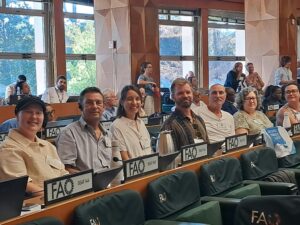
A delegation from the Low-Impact Fisheries of Europe (LIFE), including six fishers and staff, joined global allies at FAO Headquarters in Rome for the 3rd Small-Scale Fisheries (SSF) Summit.
Despite accounting for 40% of global catches and sustaining nearly 500 million livelihoods, small-scale fishers face persistent marginalization in marine governance. At the Summit, LIFE delegates advocated to turn the FAO SSF Guidelines into enforceable rights. They called for exclusive access within 12-mile zones, equitable quota allocations, direct sales infrastructure, and legally binding co-management. Additionally, they urged both developed and developing nations to adopt mandatory SSF Guidelines while shielding local fishing grounds from the expansion of mega-tourism and offshore wind projects.
Alongside global partners such as CAOPA, WFFP, and WFF, LIFE called for the reactivation of the SSF Global Strategic Framework to align key policy demands ahead of the FAO Committee on Fisheries (COFI 37). LIFE also co-signed a joint statement with 21 civil society organization exposing the “dark side” of intensive ocean feedlots and opposing carnivorous finfish farming which depletes forage fish for fishmeal, destroys marine habitats, and undermines coastal food security across the world, from the Baltic to West Africa.
More info in our web article on LIFE at the FAO and in the global Call to Action on aquaculture.
11/9 Baltic 2027 Quotas: Small-Scale Fishers Caught in the Middle
Decades of industrial overfishing, pollution, and climate change have severely degraded the Baltic Sea. Yet early signs show that depleted fish stocks can still recover if given proper space and protection. Responding to the European Commission’s 2027 Baltic fishing opportunities proposal, LIFE stresses that low-impact coastal fishers must not bear the financial brunt of management cuts for an ecological crisis they did not create.
To reverse this trajectory, LIFE urges Member States to set conservative Total Allowable Catches (TACs), especially for cod and herring, that allow biomass to rebuild rather than chasing short-term yields. Decision-makers must shield small-scale operators using selective gear from undifferentiated restrictions, while actively applying Article 17 of the Common Fisheries Policy to allocate dedicated quotas using social and environmental criteria. Stricter spatial limits and tighter monitoring on large-scale industrial pelagic trawlers are also urgent to eliminate destructive juvenile bycatch.
Setting 2027 quotas with genuine precaution and socio-economic fairness is the only way to move from managing decline to rebuilding a resilient marine environment alongside thriving coastal communities. LIFE full position on Baltic quota is available here.
LIFE at EU Ocean Week: Driving Small-Scale Fisheries to the Center of Policy
During Ocean Week in Brussels, the Low Impact Fishers of Europe (LIFE) maintained advocacy efforts across multiple fora, connecting global momentum for ocean protection directly to the rights of small-scale fishers.
Mobilizing for an Ambitious EU Ocean Act
LIFE staff kicked off the week alongside civil society allies at the European Parliament for a Blue NGOs networking cocktail. The gathering focused on mobilizing around an ambitious EU Ocean Act to secure healthy seas, resilient coastal communities, and coherent marine governance.
Advocacy shifted to direct policy dialogue on September 30 at the “Reflections on the EU Ocean Act Conference”, hosted by the Permanent Representation of Ireland to the EU and featuring MEPs Paulo Nascimento Cabral and Christophe Clergeau alongside Irish Ministry representatives. However, responses by EP representatives regarding explicit inclusion for small-scale fisheries (SSF) within the proposed legislation were distinctly disappointing. LIFE will continue pressing to ensure low-impact fishers are not sidelined in the EU Ocean Act framework.
Rebuilding Baltic Sea Fish Stocks: From Managing Decline to Recovery
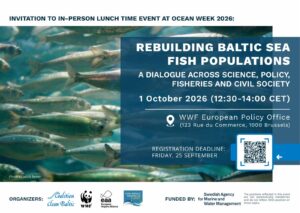 Parallel to these broad legislative discussions, LIFE co-hosted “Bringing Baltic Sea fish back: from managing decline to rebuilding” alongside CCB, WWF Finland, and the European Anglers Alliance, with support from Havs- och vattenmyndigheten.
Panellists highlighted that managing decline is no longer enough. Active recovery requires clear rebuilding targets, a shared vision of healthy fish populations, and stronger alignment between scientific advice, fisheries policy, and on-the-ground implementation. Concrete solutions are already taking shape: Glenn Douglas (BSAC Science Focus Group Chair) presented the Baltic Sea Advisory Council’s new framework for stock rebuilding. Here you can view the expert presentations and read the full BSAC recommendations framework.
Dynamic Debates: Rethink Fisheries Day & Beers and Politics
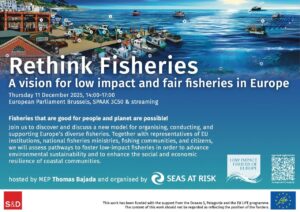
The previous day, LIFE co-organized the “Rethink Fisheries Day” alongside Seas At Risk. The 12-hour marathon of panels brought together practitioners, advocates, researchers, and policymakers. Discussions spanned critical topics, including stock assessment, marketing, decarbonisation, funding, and basin-specific management challenges, proving that the appetite for a fairer, community-focused fisheries model is stronger than ever.
Rounding out the week on October 1st, LIFE policy advisor Brian O’Riordan joined a panel at “Beers & Politics” to debate the future of the EU Common Fisheries Policy alongside Steve Trent (EJF), Cécile Fouquet (EMPA), Pedro Reis Santos (MAC), and Iván López Van der Veen (EBFA). The session sparked dynamic debate on defining small-scale fisheries, choosing Europe’s future fisheries model, setting consumer information priorities, and addressing challenges in mollusc aquaculture; reaffirming the urgent need to put low-impact fishers at the center of the EU fisheries policy.
17/9 European Parliament Call for CFP Reform: MEPs overlook need for a differentiated approach for Small-Scale Fisheries
The European Parliament voted in Strasbourg to adopt a resolution evaluating and calling for an overhaul of the Common Fisheries Policy (CFP). While the vote highlights a push to reform the EU’s main fisheries framework, the adopted text misses the central point: the CFP itself remains fit for purpose,it is the widespread failure to properly implement and enforce its existing provisions that holds back European fisheries. Additionally, the adopted text fails to deliver the concrete solutions needed to protect Europe’s small-scale coastal fleets, which should favour access to fishing opportunities, fishing grounds and markets and the rebuilding of stocks. The position of LIFE on the EP resolution is available here.
18-20/9 Seaglow: a dialogue with fishers Estonia
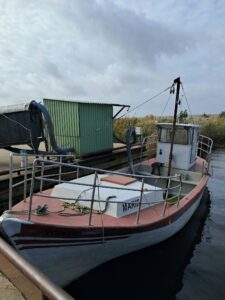
In their role of SEAGLOW partners, Low Impact Fishers of Europe (LIFE) and local fisher Argo Mengel hosted a workshop at Võiste Port, facilitated by Tallinn University of Technology, to explore small-scale fishing vessels decarbonisation. The spotlight was on PMA-605, a Baltic herring boat being fitted with a hybrid electric-diesel system and hull e-coating designed to slash fuel use by at least 40%.
In the framework of the workshop it appeared that while fishers welcomed quieter operations and lower fuel costs, they ranked technology readiness as their biggest concern, questioning how pure electric systems and winches will handle heavy weather. High upfront costs also mean retrofits require 80–100% public funding and a 5-year payback window to be viable. Crucially, participants called for closer dialogue with policymakers to ensure future regulations reflect the realities of life at sea.
28-29/9 AGRIFISH Council
The EU Agriculture and Fisheries Council met in Brussels chaired by Martin Heydon, Minister for Agriculture, Food and the Marine of Ireland. The Council reached a partial negotiating position on a regulation setting out the conditions for the EU’s support for the Common Fisheries Policy, the EU’s maritime and aquaculture policies, and the European ocean pact for the 2028-2034 period. The Council’s agreement on post-2027 fisheries funding sparked concern among small-scale fisheries and civil society. Absorbing dedicated marine funds into flexible National and Regional Partnership Plans (NRPPs) removes vital green safeguards and risks favoring large-scale industrial fleets. LIFE will continue advocating for compulsory Small-Scale Fisheries Plan in NRPPs and dedicated, ring-fenced funds for the fleet.
Kommer upp
 12-13/10 Brussels – Make Fishing Fair Youth Forum – LIFE and Blue Ventures are co-hosting the Make Fishing Fair Youth Summit to officially launch the LIFE Youth Network. Bringing together young small-scale fishers, coastal community representatives, and EU policymakers, the summit will tackle the core challenges and opportunities facing the next generation on the water. The initiative builds directly on the momentum of the 2025 Make Fishing Fair Forum and its Roadmap, turning one of its highest priorities, generational renewal; into concrete action. By creating the LIFE Youth Network, the campaign ensures young fishers have a seat at the table to actively shape fisheries policy and safeguard the future of their profession.
12/10 Brussels, European Parliament – Public hearing on “Stepping up the EU’s support to small-scale fisheries” – How can the EU better empower small-scale fishers? The PECH Committee’s public hearing, “Stepping up the EU’s support to small-scale fisheries,” gathers experts and decision-makers to address future challenges and unlock practical policy solutions. Framing the debate around the Vision for Fisheries 2040 and key CFP implementation tools, the session focuses on building a more resilient, well-supported fleet segment.
13-15/10 Rome, MEDAC – Management of vulnerable species and offshore wind are on the agenda. In addition, there will be an elective assembly at which the new Executive Committee will be elected.
28/10 Brussels – Publication of the Vision 2040- Back in February 2026, the EU Commission launched a call for evidence to gather views from stakeholders, experts and citizens on the Vision 2040 for fisheries and aquaculture. The document is expected to be released at the end of the month of October.
I pressen
Nofima: Using pink salmon efficiently, sustainably and profitably
Fisker Forum: Beamers off Danish reefs
HookandNet: Making seine rope environmentally safe
TheFishingDaily:Spain calls for flexible EU Policy to Modernise Fleet
European Correspondent: Big Corporate Fish Eat Little Boats
EU Perspectives: Will Europe’s small fishers get left behind in the next EU budget?
GLOBEFISH Quarterly Fishmeal and Fish Oil Analysis
Industrias Pesqueras: Seas at Risk Pide Un Marco Financiero mas Enfocado en la Pesca de Bajo Impacto
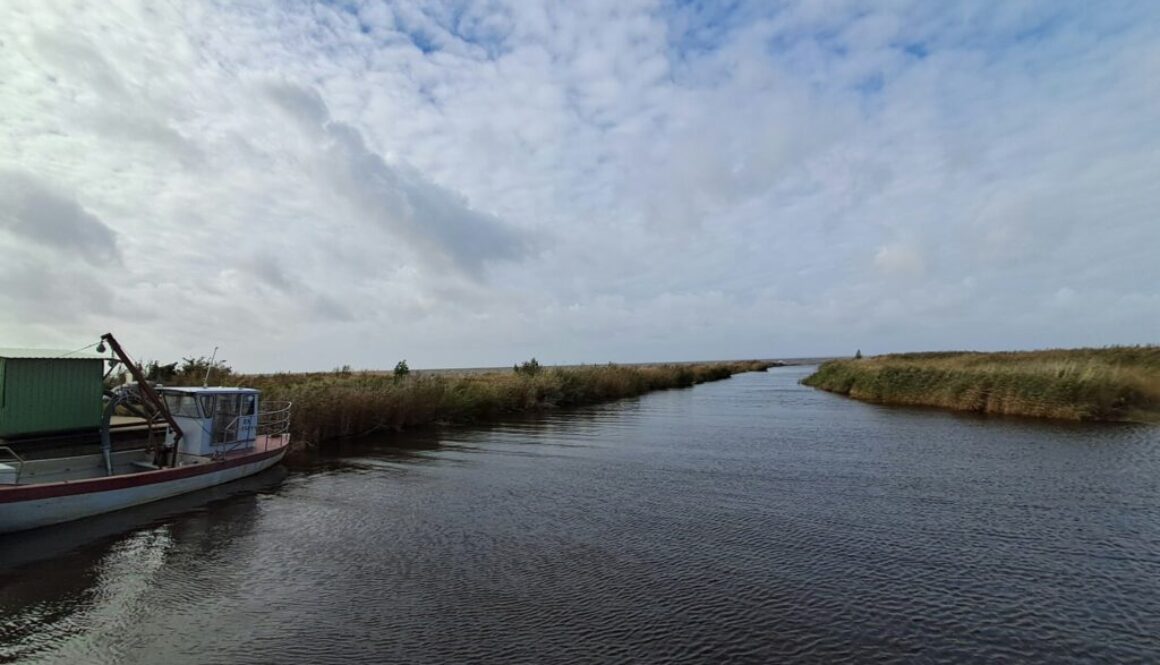
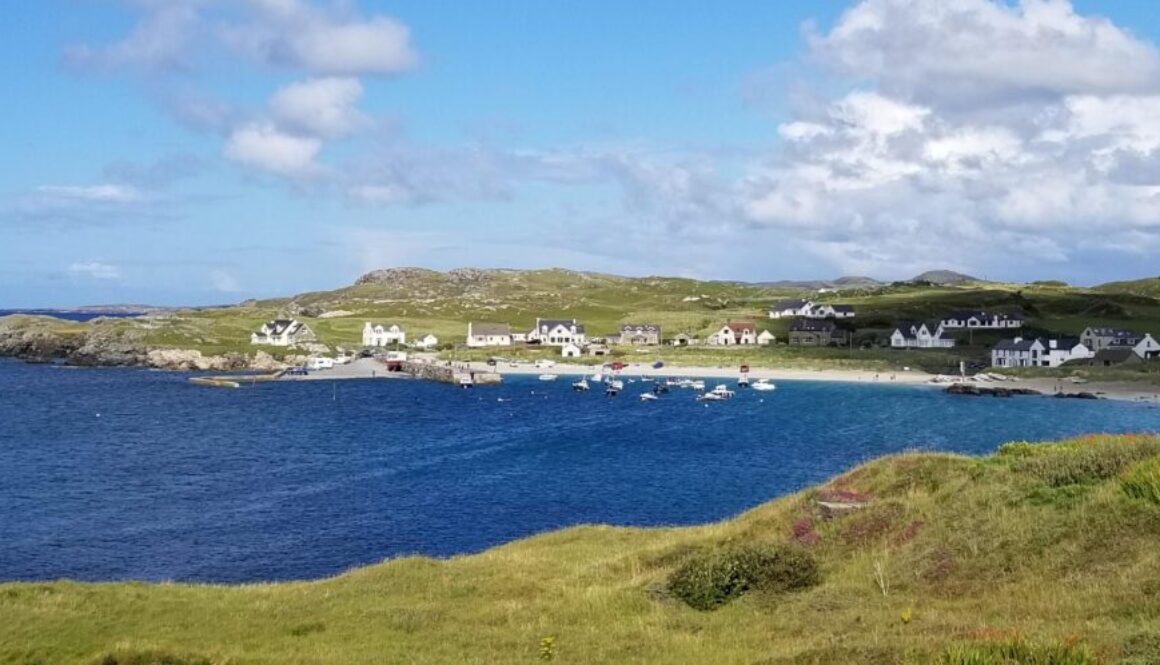
Cover image: Port of Voiste, Estonia, @Seaglow
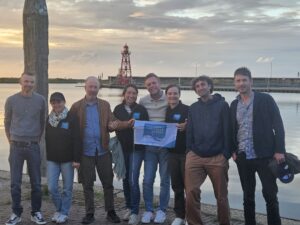 LIFE-teamet tillbringade en intensiv och inspirerande vecka في fiskebyn Den Oever i Nederländerna. Med expertvägledning av
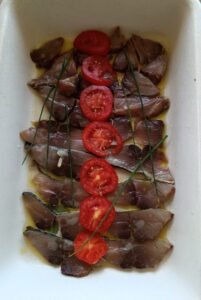 LIFE-teammedlemmen Claudia Orlandini besökte LIFE:s italienska medlemmar från Cooperativa San Leopoldo på den toskanska kusten. Besöket innefattade en rundtur i kooperativets beredningsenhet, där små fångstvolymer förädlas till högkvalitativa produkter med mervärde. Dessa inkluderar tonfisk, multer och musslor inlagda i olja eller förpackade i vakuumförpackningar. Detta tillvägagångssätt gör det möjligt för kooperativet att bättre utnyttja produkter i mindre volymer samtidigt som deras värde ökar och hållbarheten förlängs.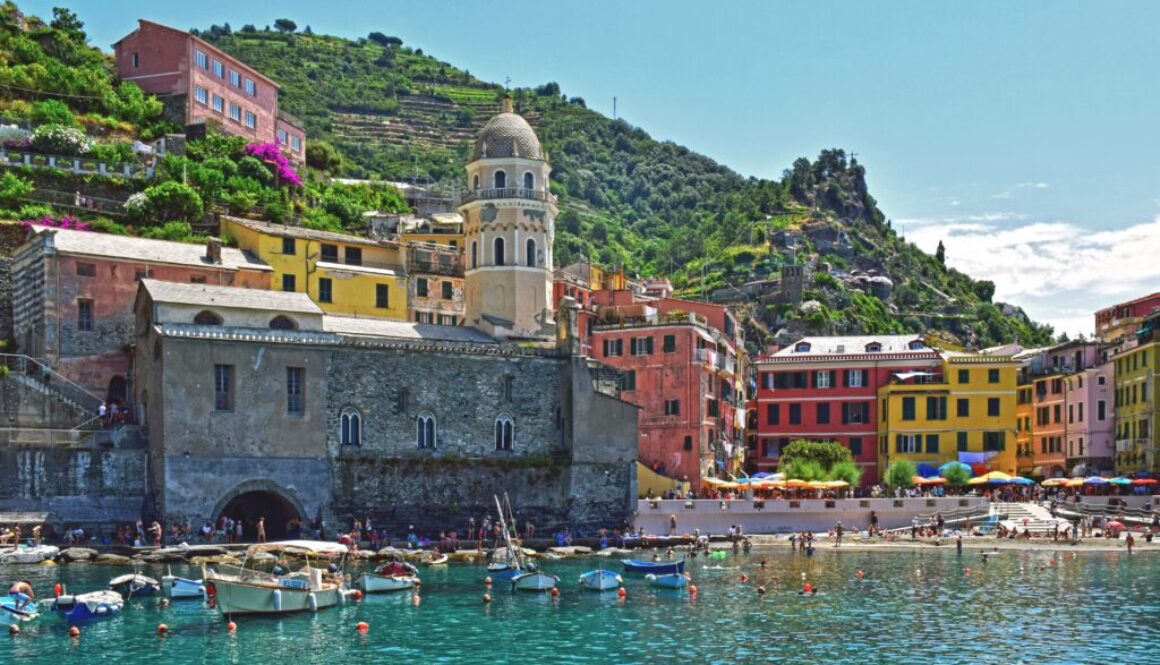
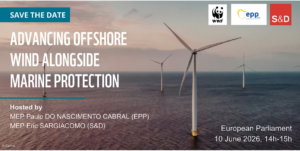 LIFE deltog i Europaparlamentets evenemang “Advancing Offshore Wind Alongside Marine Protection”, som var värd för Europaparlamentet ledamöter Paulo do Nascimento Cabral och Eric Sargiacomo. Diskussionen samlade beslutsfattare, industri och offentliga myndigheter för att utforska framtiden för havsbaserad vindkraft i europeiska hav.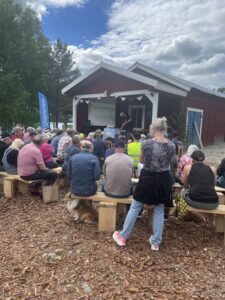
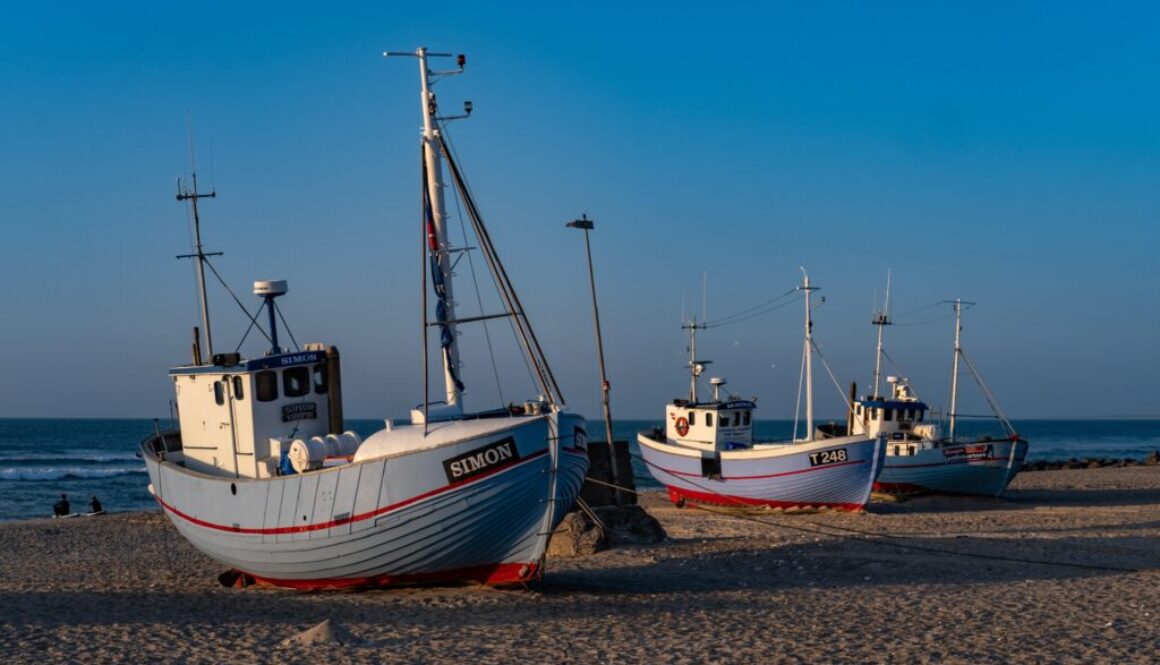
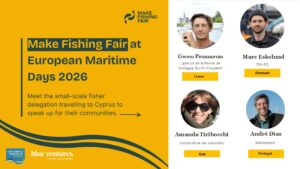 Den europeiska havsdagen 2026 hölls på Cypern. Den utgjorde ett viktigt tillfälle för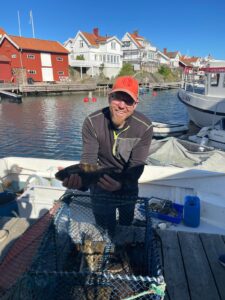
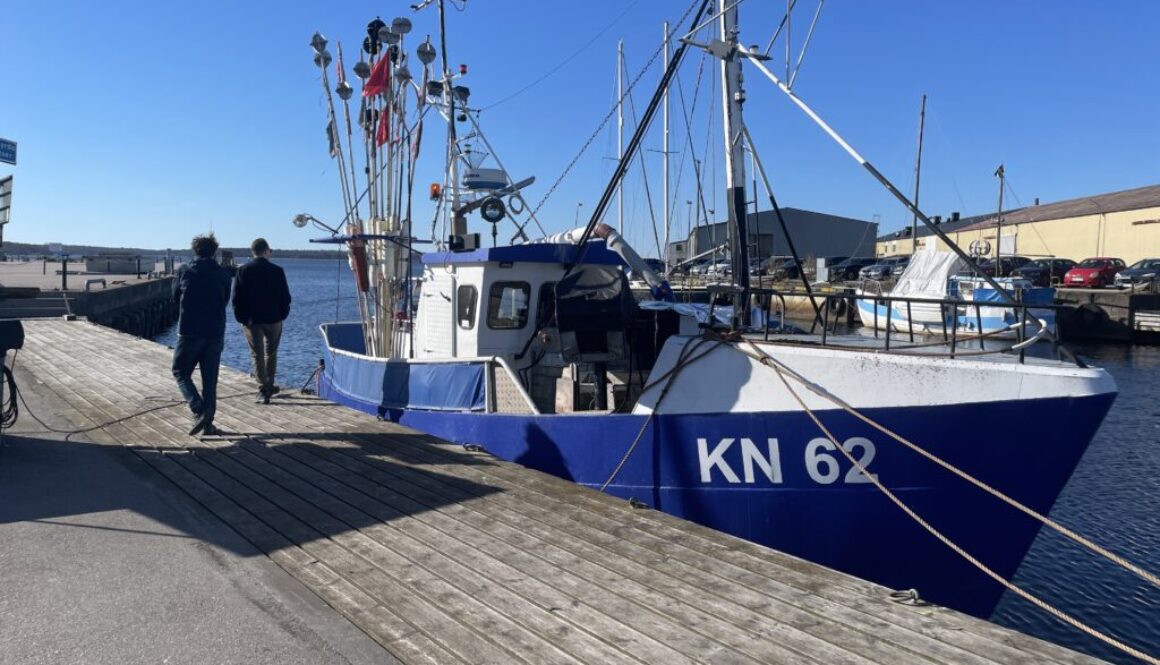
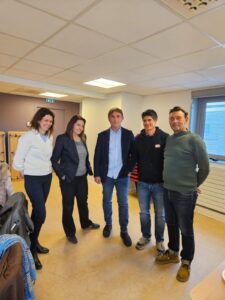
 LIFE är stolt över att
 LIFE välkomnade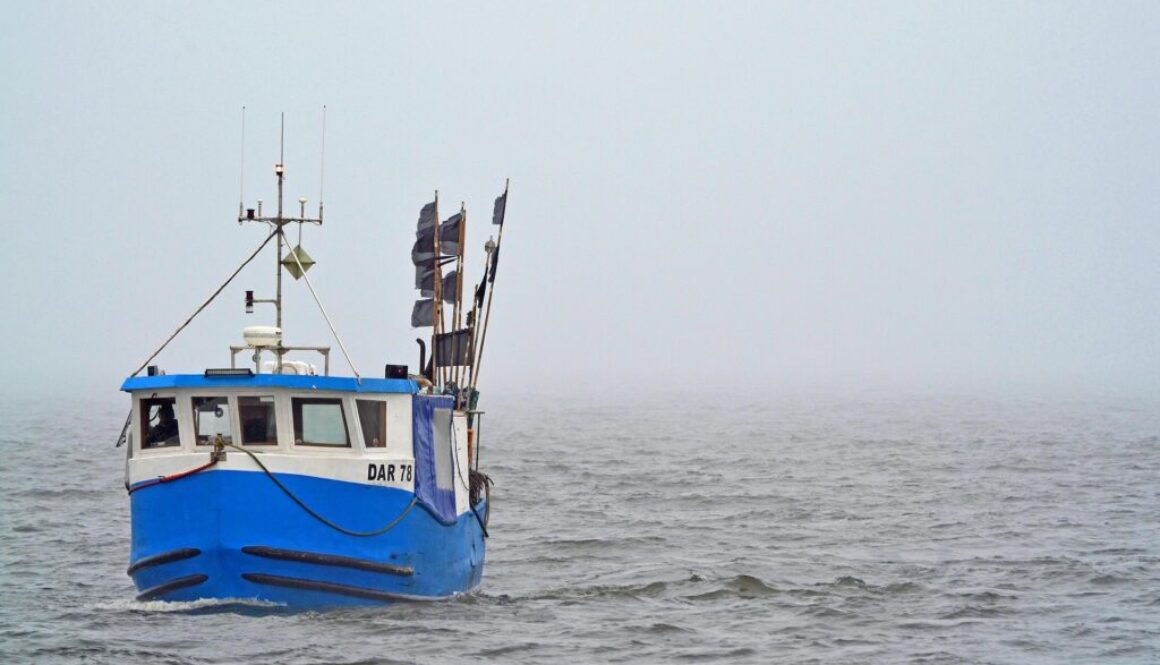
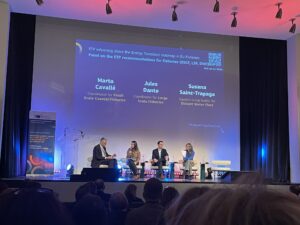
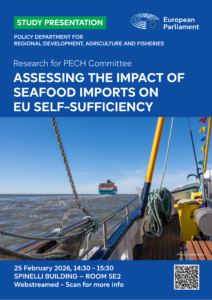 LIFE deltog i Europaparlamentets fiskeriutskotts (PECH) februarisammanträde, där en studie om
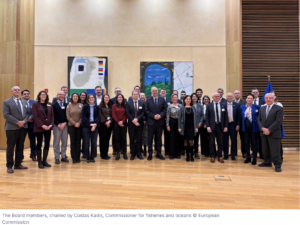
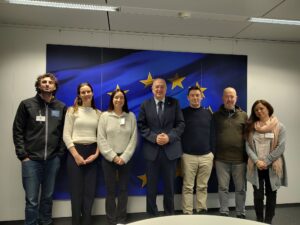 LIFE:s ordförande Gwen Pennarun och sekretariatet träffade, tillsammans med vår partnerorganisation Blue Ventures, Costas Kadis och hans kabinet för att föra diskussionerna framåt under
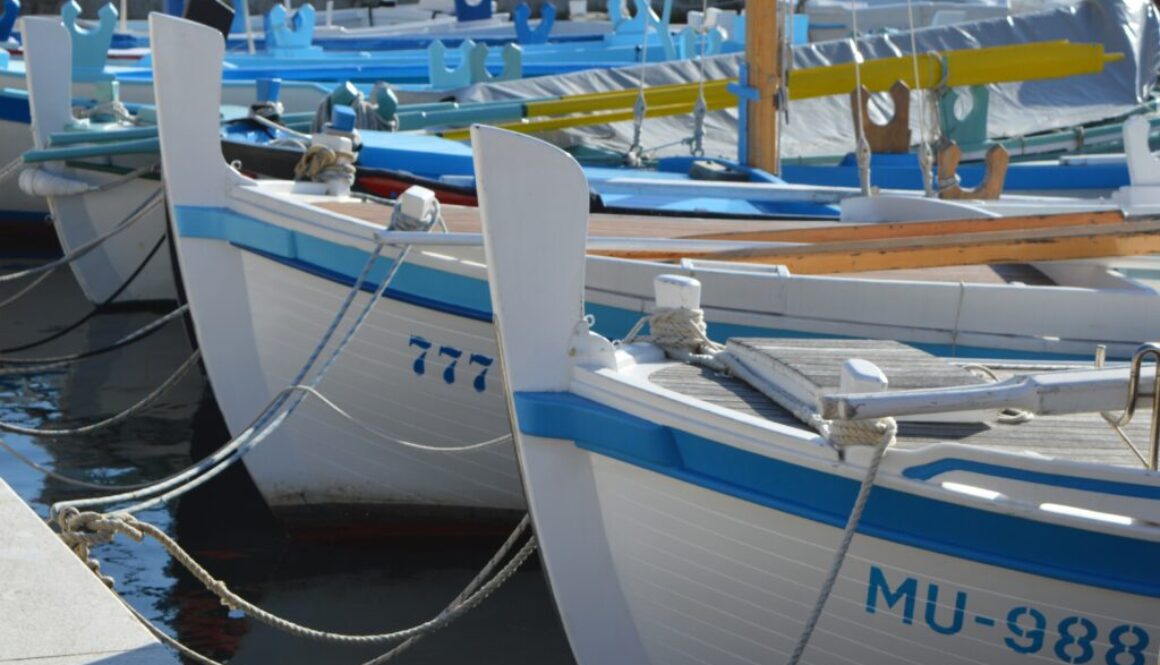
 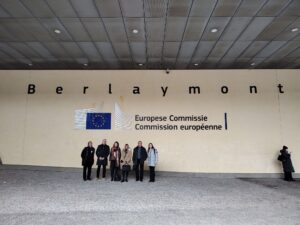 En delegation från de franska medelhavsfiskarnas "Prud'homies" besökte Bryssel för att föra överläggningar med kommissionären Costas Kadis och ledamöter av Europaparlamentet. Mötena tog upp de akuta utmaningar som småskaligt fiske och kustområden står inför.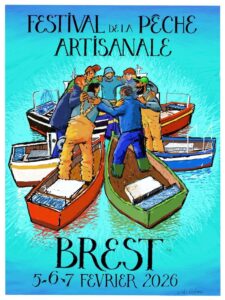


 LIFE deltog aktivt i årets
  22/10 LIFE-medlemmar utestängda från marknaden då de saknar MSC-certifiering