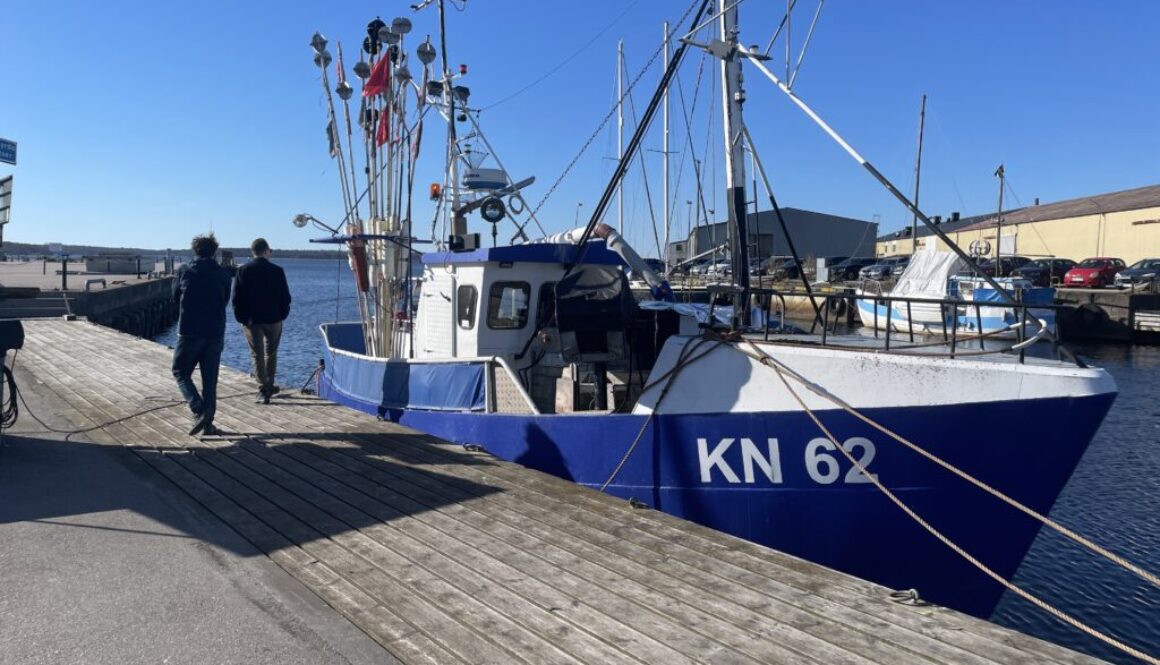
Captura Zilei – Aprilie 2026
Știri despre pescuit echitabil, mări sănătoase și comunități de pescari vibrante
Bun venit la bord pentru două noi organizații membre!
Asociația Pescarilor cu Impact Redus din Europa (LIFE) are plăcerea de a ura bun venit la două noi organizații membre, consolidându-și astfel prezența și reprezentarea în regiunea mediteraneană.
Cooperativa San Leopoldo (Toscana, Italia) este o cooperativă dedicată practicilor de pescuit durabile și dezvoltării comunităților costiere locale. Activitățile sale includ pescuitul, prelucrarea produselor din pește și fructe de mare, inițiative de repopulare a stocurilor și protecția mediului, contribuind atât la crearea de oportunități economice pentru membrii săi, cât și la gestionarea responsabilă a resurselor marine.
Organizația de producători „Cooperativa de pescuit Komiža” (Vis, Croația) reprezintă pescarii de pe una dintre cele mai emblematice insule din Marea Adriatică. Organizația joacă un rol important în promovarea pescuitului cu impact redus, în îmbunătățirea accesului pe piață și în conservarea patrimoniului maritim al insulei.
În prezent, LIFE numără 40 de organizații membre din 18 țări, ceea ce reflectă puterea și diversitatea tot mai mari ale rețelei sale.
Aderarea lor consolidează vocea colectivă a LIFE în Marea Mediterană și contribuie la promovarea misiunii sale de a sprijini pescuitul la scară mică și cu impact redus în întreaga Europă.
“Pescarul de pe insulă”: Cântecul „Arranmore” surprinde spiritul insulelor irlandeze
Pescarii de pe o insulă irlandeză au un cântec dedicat lor. Scris de domnul John Gallagher, un locuitor din Arranmore, Irlanda, cu o veche legătură de familie cu insula – mama sa este cea mai vârstnică locuitoare a insulei și provine din generații de pescari din Arranmore. “Viața pe insulă a fost întotdeauna centrală pentru identitatea familiei mele”“, spune el. Compozitor care a colaborat cu vărul său, Jerry Early, președintele IIMRO (membru al LIFE), la piese despre viața pe insulă, Gallagher a declarat că a fost inspirat să compună o piesă după ce restricțiile privind pescuitul au stârnit furie și frustrare în întreaga comunitate. A fost încurajat, în special, de pescarul insular Neillie Kavanagh să compună piesa în sprijinul unui tratament echitabil pentru comunitățile de pescari de pe insulă. „Piesa încearcă să surprindă emoțiile și reziliența persoanelor implicate” a spus Gallagher. Piesa este disponibilă pe canalul său de YouTube și pe principalele platforme de streaming.
1/4 O definiție practică a pescuitului la scară mică în UE: poziția LIFE
Organizația „Low Impact Fishers of Europe” (LIFE) și-a prezentat poziția cu privire la modul în care ar trebui definit pescuitul la scară mică în Europa, subliniind necesitatea unei abordări coerente și aplicabile la nivelul UE.
LIFE susține definiția utilizată în cadrul Fondului european pentru afaceri maritime, pescuit și acvacultură (EMFAF), care se referă la navele cu o lungime mai mică de 12 metri care utilizează unelte de pescuit netrase. În opinia sa, adoptarea unei definiții comune este esențială pentru a asigura o aplicare echitabilă a articolului 17 din Politica comună în domeniul pescuitului, pentru a facilita tranziția energetică a sectorului și pentru a consolida rolul pescuitului la scară mică în procesul decizional al UE.
Deși recunoaște că există și alte definiții, LIFE subliniază că abordările excesiv de complexe și prea generale vor limita aplicabilitatea practică a acestora, contrar scopului final al inițiativei și riscând să ducă la utilizarea greșită a acesteia. O definiție simplă și operațională este esențială pentru a sprijini în mod eficient pescarii și pentru a susține comunitățile de coastă din întreaga Europă.
14/4 Membrii francezi ai Asociației Pescarilor cu undiță din Bretania, afiliați la LIFE, se întâlnesc cu reprezentanții Comisiei Europene în Bretania
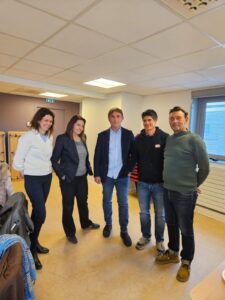
Asociația Pescarilor cu undiță din Bretania, din care face parte și Gwen Pennarun, președinta LIFE, s-a întâlnit cu reprezentanți ai Comisiei Europene și ai autorităților naționale în cadrul unei vizite pe teren în Bretania. Discuțiile purtate cu oficialii, printre care Maja Kirchner și Caroline Alibert-Deprez, au oferit ocazia de a aduce în atenție preocupările cheie ale sectorului.
Pescarii au subliniat problemele legate de gestionarea bibanului de mare și a polacului, evidențiind neconcordanțe între recuperarea stocurilor raportată și observațiile făcute pe mare, inclusiv scăderea dimensiunilor peștilor și faptul că capturile flotei industriale rămân sub limitele autorizate. De asemenea, au fost exprimate îngrijorări cu privire la măsurile de gestionare instabile și la reducerea cotelor în anumite zone.
În ansamblu, pescarii și-au reafirmat sprijinul pentru un model de pescuit la scară mică durabil și diversificat, subliniind totodată necesitatea unui acces echitabil la resurse și a unor condiții mai bune pentru reînnoirea generațională. Actualul sistem de cote, bazat în mare parte pe capturile istorice, a fost identificat ca fiind un obstacol major pentru pescarii la scară mică și pentru tinerii pescari.
Reuniunea a reprezentat o ocazie importantă de a evidenția provocările cu care se confruntă pescuitul de coastă și de a solicita abordări de gestionare mai echitabile și mai durabile.
15/4 Presiunile asupra sectorului și prioritățile de finanțare pe termen lung, în centrul ordinii de zi a Comitetului PECH
În cadrul reuniunii din aprilie, deputații din Parlamentul European au solicitat un revizuirea planului multianual pentru Marea Baltică. Comisia a adoptat un raport al Isabellei Lövin (Verzii) prin care se solicită Comisiei Europene și Consiliului să utilizeze instrumente juridice pentru a stopa declinul stocurilor de pește. Este de remarcat faptul că raportul solicită o evaluare a modului în care sunt distribuite cotele între segmentele flotei, pentru a înțelege mai bine eventuala legătură dintre presiunea asupra resurselor și sistemele de alocare. De asemenea, a fost subliniată necesitatea unui sprijin social și financiar sporit pentru pescarii afectați și comunitățile costiere.
În ceea ce privește creșterea prețurilor la combustibil, legată de situația geopolitică, Comisia a prezentat măsurile de sprijin disponibile în cadrul Fondului european pentru sectorul maritim, pescuit și acvacultură (EMFAF). Începând cu 10 aprilie, statele membre pot activa compensațiile de urgență. Deși majoritatea deputaților din Parlamentul European au susținut această abordare, au fost exprimate îngrijorări cu privire la compromisurile bugetare și la impactul asupra altor acțiuni finanțate din EMFAF. Mai mulți deputați au solicitat măsuri complementare, inclusiv subvenții naționale, intervenții asupra prețului combustibililor și o mai mare flexibilitate în cadrul normelor privind ajutoarele de stat. Comisia a subliniat necesitatea unor răspunsuri structurale pe termen lung, în special prin intermediul tranziției energetice, care să fie abordate în cadrul viitoarei revizuiri a Politicii comune în domeniul pescuitului și al procesului „Viziunea 2040”.
Comisia a discutat, de asemenea, proiectul de aviz privind viitorul cadru de finanțare al UE (2028–2034), prezentat de André Franqueira Rodríguez (S&D). Printre priorități se numără reducerea concurenței cu alte sectoare pentru obținerea de fonduri, sprijinirea reînnoirii generaționale, promovarea decarbonizării flotei și asigurarea unui sprijin continuu pentru regiunile ultraperiferice. Deputații europeni din toate grupurile politice au salutat în mare măsură propunerea ca bază de negociere. Au fost ridicate, de asemenea, diverse chestiuni, printre care solicitarea adresată Comisiei de a-și spori ambițiile bugetare, alocarea de fonduri dedicate sectorului pescuitului și modalitățile de asigurare a unei guvernanțe incluzive (inclusiv consultarea pescarilor artizanali) în cadrul elaborării planurilor naționale. Comisia a menționat că, pe lângă o alocare minimă pentru sectorul pescuitului, s-ar putea accesa finanțare suplimentară printr-un cadru financiar mai amplu și integrat, menit să simplifice instrumentele, menținând în același timp sprijinul specific sectorului; însă această soluție este departe de a-i convinge pe factorii de decizie și părțile interesate din sector.
16/4 Un nou raport al UE privind decarbonizarea sectorului pescuitului: LIFE solicită o abordare echitabilă pentru pescarii artizanali
Organizația „Low Impact Fishers of Europe”, în calitatea sa de coordonator al Grupului de lucru pentru pescuitul costier la scară mică din cadrul Parteneriatului pentru tranziția energetică, a participat la atelierul organizat de Comisia Europeană “Realizarea eficienței energetice în sectorul pescuitului: către o înțelegere comună a auditului energetic”, organizată de DG MARE la 16 aprilie 2026.
Discuțiile au reunit părți interesate cheie pentru a aborda decarbonizarea pescuitului și a acvaculturii, punând accentul pe instrumente precum auditurile energetice. LIFE a subliniat importanța asigurării faptului că aceste abordări sunt adaptate la realitățile pescuitului la scară mică și cu impact redus.
Pe baza lucrărilor recente privind scenariile de reducere a emisiilor de gaze cu efect de seră (GES), care va sta la baza viitoarei Foi de parcurs privind tranziția energetică a Comisiei, programul LIFE consideră că acesta este un moment cheie pentru a promova o tranziție care să fie atât eficientă din punct de vedere ecologic, cât și echitabilă din punct de vedere social.
În acest context, LIFE solicită sprijin țintit, soluții adecvate și includerea semnificativă a pescarilor la scară mică în procesul decizional, pentru a asigura o tranziție echitabilă și echilibrată în cadrul sectorului.
21-23 aprilie: Vizita partenerilor din cadrul proiectului „Round Goby”
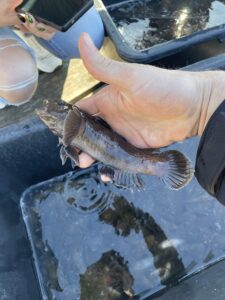
LIFE s-a alăturat partenerilor de proiect și părților interesate externe în cadrul unei întâlniri de trei zile dedicate speciei „Round Goby”, desfășurată la Simrishamn și Ronneby, axată pe dezvoltarea produselor, activitatea de pescuit în sine și planificarea fazei finale a proiectului.
Prima zi s-a axat pe prelucrare și dezvoltarea produselor, echipele pilot prezentând rezultatele obținute, iar un prânz cu degustare a evidențiat potențialul culinar al acestei specii. Vizitele de studiu la Skillinge Fisk-IMPEX, una dintre cele mai mari companii din Suedia care prelucrează heringul și șprotul pentru consumul uman, și la Rosbergs Fisk på Österlen au oferit o perspectivă mai detaliată asupra realităților practice ale manipulării și prelucrării gobiului rotund la scară largă. A doua zi s-a desfășurat pe apă, unde pescarii Bengt, Glenn și Per au prezentat uneltele utilizate în pescuitul de coastă în largul Ronneby, participanții urmărind în direct, prin intermediul unei camere video, o operațiune de pescuit, înainte ca un atelier să exploreze potențialul mai larg al pescuitului și consumului de gobie rotundă în întreaga regiune a Mării Baltice. Bengt Larsson, membru LIFE și membru al Consiliului de administrație al LIFE, a jucat un rol central în discuțiile zilei. Ultima zi a constat într-o întâlnire internă a partenerilor, în cadrul căreia s-au analizat progresele înregistrate și s-a planificat activitatea pentru cele șase luni rămase din proiect. Contribuția LIFE s-a axat pe modelele de afaceri și pe modalitățile de depășire a barierelor practice și economice care stau în calea viabilității comerciale a gobiului rotund pentru pescarii de mică anvergură.
15/4 Ostkustströmming primește Denumirea de Origine Protejată din partea UE
Heringul suedez din Marea Baltică continuă să obțină recunoașterea calității la nivelul UE. În urma obținerii statutului de Denumire de Origine Protejată (DOP) pentru Norrlandsströmming la începutul acestui an, Comisia Europeană a aprobat acum Ostkustströmming, devenind primul produs din pește și fructe de mare din Marea Baltică propriu-zisă care primește această denumire și cel de-al paisprezecelea produs DOP al Suediei în total. Cererea a fost inițiată de Asociația Pescarilor din Județul Stockholm (Stockholms läns fiskareförbund), care reprezintă pescarii costieri de mică amploare din Kristianopel în sud până la Öregrund în nord.
Pentru a se califica, heringul trebuie pescuit folosind unelte pasive sau trauler cu o dimensiune minimă a ochiului de plasă de 32 mm și descărcat și sortat în termen de 24 de ore, criterii care recompensează direct practicile de pescuit cu impact redus și orientate spre calitate. După cum spune Anders Jansson, pescar la a treia generație și secretar al asociației: “Acesta este un produs unic dintr-o parte unică a lumii, iar acum avem confirmarea acest lucru din partea UE.”
Asemenea Norrlandsströmming, denumirea leagă calitatea produsului direct de loc, de tradiția pescuitului și de cunoștințele locale. Aceasta transmite, de asemenea, un mesaj tăios: mai mulți dintre cei din spatele cererii au fost expliciți că o mai mare recunoaștere pe piață a Ostkustströmming trebuie să meargă mână în mână cu reducerea semnificativă a pescuitului industrial de prelucrare în aceleași ape, altfel s-ar putea să mai rămână puține de protejat.
23/4 Viitorul Pescuitului cu Tureni de Fund în Europa.
Jeremy Percy, Directorul Executiv fondator și Consilierul Superior al LIFE, a participat la un panel pentru lansarea unui nou raport din cadrul Programului Pristine Seas al National Geographic Society, Washington, DC, SUA. Studiul calculează că practica de pescuit distructivă prin trauler impune costuri nete pentru societate de până la 16 miliarde de euro anual. Potrivit lui Jeremy Percy “Nu tot ce este mare este rău, nici tot ce este mic frumos, dar acolo unde există dovezi clare că costurile economice și/sau de mediu ale uneltelor de pescuit mobil de scară mai mare depășesc orice beneficii societale de la recoltarea resursei, atunci este corect să se găsească alternative și ca astfel de operațiuni să fie eliminate treptat"
28 aprilie: Plenul Parlamentului European adoptă o rezoluție privind Cadrul financiar multianual (CFM) 2028-2034.
Eurodeputații au votat în plen, la Strasbourg, la 28 aprilie, pentru adoptarea propunerii lor privind poziția de negociere referitoare la bugetul UE pentru perioada următoare. Aceasta stabilește poziția lor de negociere înaintea procesului de trilog., stabilirea priorităților politice ale Parlamentului pentru următorul buget pe termen lung al UE. Acesta solicită o alocare specifică și delimitată pentru Politica comună în domeniul pescuitului și se opune modelelor care ar integra aceste fonduri în planuri naționale mai ample.
Astfel, Fondul european pentru afaceri maritime, pescuit și acvacultură (EMFAF) se află în centrul dezbaterii. Deși bugetul final nu a fost încă stabilit, membrii Comisiei pentru pescuit din Parlamentul European și mai mulți reprezentanți politici au pledat pentru majorarea alocării sale la aproximativ 7,3 miliarde de euro, ceea ce reprezintă o creștere de aproximativ 20% față de perioada actuală.
Comisia PECH va discuta poziția sa cu privire la finanțarea din cadrul CFM pentru pescuit, acvacultură și economia albastră în cadrul reuniunii sale din iunie.
30/4 Publicarea evaluării Politicii Comune a Pescuitului: Progrese înregistrate, provocări viitoare
Comisia Europeană și-a publicat evaluarea privind Politica Comună în Domeniul Pescuitului (PCP) din ultimul deceniu, evidențiind o performanță mixtă. Deși s-au înregistrat progrese în reducerea pescuitului excesiv și îmbunătățirea managementului, refacerea stocurilor de pește rămâne lentă și neuniformă. Beneficiile economice așteptate nu s-au materializat pe deplin, sectorul confruntându-se cu creșterea costurilor, presiuni geopolitice și provocări structurale continue, în special în rândul pescarilor la scară mică.
Regulamentul privind Politica Comună de Pescuit (PCP) a intrat în vigoare în 2014. Această evaluare a Comisiei Europene se bazează pe dovezi extinse, inclusiv consultări țintite ale părților interesate, apeluri publice de a aduce contribuții și analize tehnice. În zilele următoare, Consiliul de Administrație și Secretariatul LIFE vor efectua o analiză amănunțită a documentului, în vederea formulării unor comentarii detaliate și a definirii abordării lor pentru etapa următoare. Evaluarea completă este disponibilă aici și oficialul Comunicatul de presă al DG Mare poate fi consultat aici.
Urmează
3-5/5 Reuniuni informale ale miniștrilor Agriculturii și Pescuitului, Cipru – Reuniunea informală AGRIFISH reunește miniștrii UE responsabili cu agricultura și pescuitul. Pe 5 mai, Costas Kadis, comisarul pentru pescuit și oceane, va prezenta principalele concluzii ale evaluării politicii comune în domeniul pescuitului, urmând ca miniștrii să aibă un schimb de opinii.
6/5 Parlamentul European, Bruxelles – Reuniunea Comisiei PECH. LIFE va lua cuvântul în cadrul Audierii Parlamentare "Creșterea competitivității în sectoarele pescuitului și acvaculturii prin reducerea birocrației și a poverii de reglementare” . Comisia Pech va discuta, de asemenea, evaluarea la jumătatea perioadei a Regulamentului EMFAF (2021-2027). Conform raportului, în planurile naționale au fost alocate 20% de fonduri pentru pescuitul costier la scară mică. Totuși, acest lucru nu înseamnă că pescuitul costier la scară mică a primit efectiv aceste fonduri. Este vorba de bani disponibili doar în teorie. Rămâne de văzut cât din această sumă va ajunge efectiv la ele în practică.
21-22/ 5 Ziua maritimă europeană, Cipru – O delegație de pescari și membri ai personalului LIFE, în cooperare cu Blue Ventures, va participa la acest eveniment european pentru a susține “Faceți pescuitul corect” campanie.
În presă
4 octombrie: Cârligul și plasa – inovație în pescuitul de crabi https://mag.hookandnet.com/2026/04/10/2026-04potfishingagency/content.html
23/4 Telecinco – Povestea lui Elena Manera și a lui Pat Bros și vocația lor pentru pescuitul artizanal: “Nu există un schimb de generații pentru că nu există stimulente” (în spaniolă)
24/4 Euronews – ‘Nu putem mânca caracatiță tot timpul anului’: De ce bucătarii greci și WWF vor ca oamenii să consume specii invazive
28/4 Fiz- Pescuitul pe fundul mării în Europa pare profitabil până când costurile sociale răstoarnă calculele
28/4 Fiske Forum: Afirmațiile studiului de un miliard de euro privind pescuitul cu traul se bazează pe date științifice discreditate https://fiskerforum.com/billion-euro-trawl-studys-claims-based-on-discredited-science/
28/4 Comisiei de presă DG Mare – Un nou studiu privind capacitatea flotei de pescuit și sustenabilitatea acesteia
28/4 Mediapart – Lobbyingul industrial și sacrificiul pescuitului artisanal: o incursiune în culisele dispariției cadranului de macrou În limba franceză
Cercetarea pentru Comisia PECH publică un raport despre Navigarea noii abordări a cadru financiar multianual pentru perioada 2028-2034 – Cartografierea amenințărilor și oportunităților pentru sectoarele pescuitului și acvaculturii. Aceasta compară propunerea cu actualul cadru FEMPA în ceea ce privește suficiența bugetului alocat și guvernanța și evaluează amenințarea la adresa fragmentării și renaționalizării politicii UE în domeniul pescuitului. De asemenea, evaluează rolul potențial al Fondului European pentru Competitivitate și alinierea la Pactul European pentru Ocean.
Imagine de copertă @LIFE