
vijesti
Notizie dal ponte – Giugno 2018
 Giugno 2018
Prijavite se!
Prijavite se za mjesečno primanje biltena 'Vijesti s palube' na željenom jeziku.
Izvještaj sa sastanka: zajedničko upravljanje u Bruxellesu 6. srpnja
Pravilno upravljanje: zajedničko upravljanje moćan alat, a ne čarobni štapić
Bruxelles, 25. lipnja 2018.
Brian O'Riordan
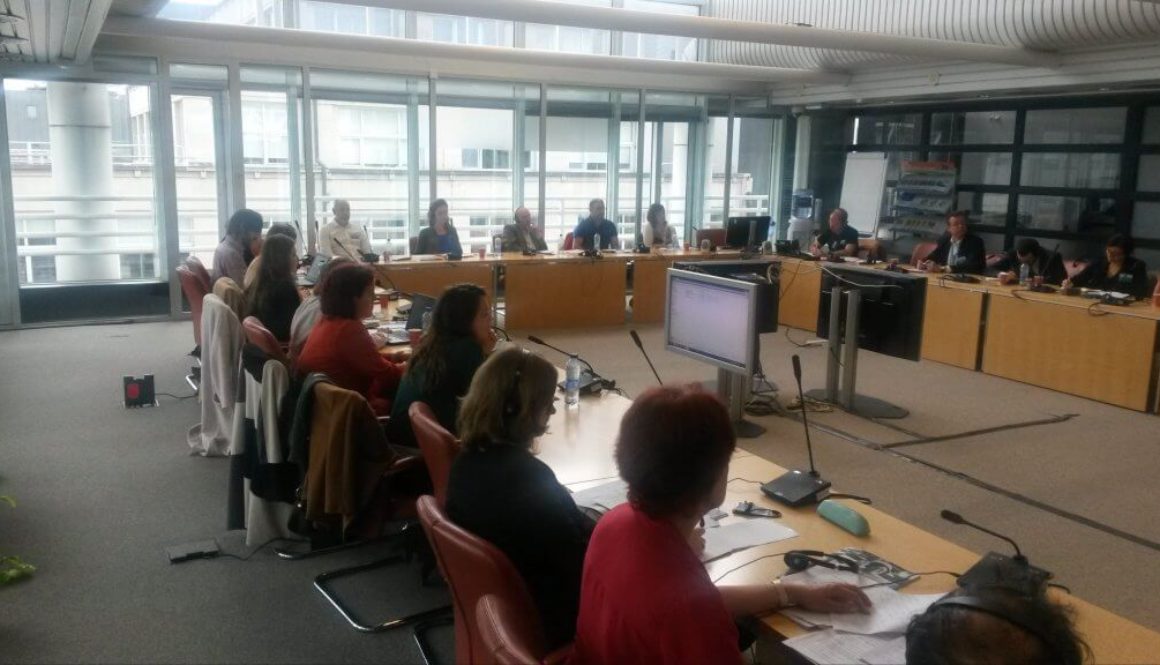
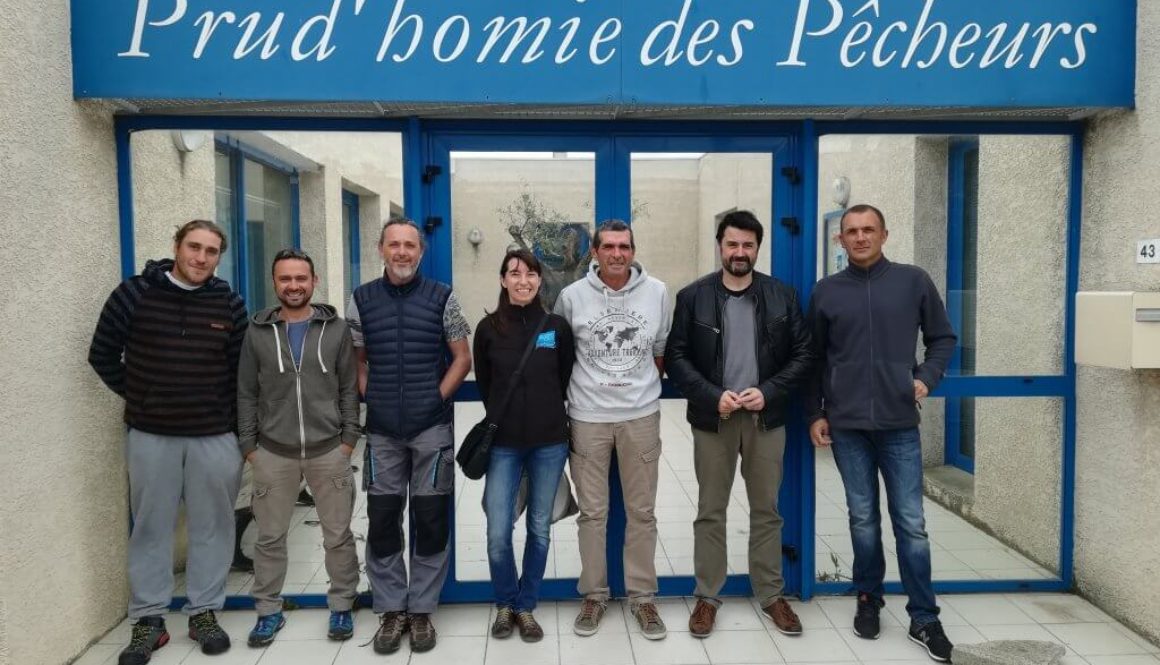
U četvrtak, 7. lipnja, delegacija s obale Finisterre u Galiciji došla je u Bruxelles kako bi predstavila svoja iskustva s zajednički upravljanim ribolovnim rezervatom tijekom proteklog desetljeća. Posjet su organizirali Fundación Lonxanet i Costa Sostible FLAG, a domaćini su bili Udruga ribara s niskim utjecajem na okoliš (LIFE), Farnet i Europski gospodarski i socijalni odbor (EESC).
Službeni izvještaj sa sastanka možete pronaći ovdje
Pristupite prezentacijama govornika ovdje
ŠPANJOLSKI:
Contexto Co-Gestion Os Miñarsoz viši Bruselas 07_06_18
Resumen de la Acta Bruselas 07_06_18
Notizie dal ponte – svibanj 2018
Maggio 2018
Preuzmite bollettino
Prijavite se!
Prijavite se za mjesečno primanje biltena 'Vijesti s palube' na željenom jeziku.
Uredba o kontroli II
Malj i matica: LIFE smatra da je ambiciozni prijedlog Europske komisije za izmjenu Uredbe o kontroli ribarstva pretjerano preskriptivan i neprikladan za rješavanje složenih problema izvješćivanja, praćenja i provedbe ulova malog ribolova.
Bruxelles, 19. lipnja 2018.
Brian O'Riordan
LIFE bi volio vidjeti više pristupa odozdo prema gore u provedbi nove Uredbe o kontroli, s više mrkve, a manje batine u zadatku uključivanja malog ribolova u regulatorni okvir. Prijedlog s pravom ima visoke ambicije. Pogrešno se teret usklađivanja stavlja na sektor, a da se ne pruže potrebne mjere podrške i smjernice za pomoć u tranziciji.
Malo ribarstvo, žila kucavica zaboravljene europske flote, dugo je bilo izuzetak u europskoj zajedničkoj ribarstvenoj politici (ZRP). Aktivnosti malog ribolova (SSF) (plovila kraća od 12 metara koja koriste nevužne alate), koje su 2015. godine činile 74% aktivne ribarske flote, trenutno nisu obvezne prijavljivati svoje ulove ili davati svoje pozicije na moru. To će se promijeniti, i to dramatično promijeniti prema reformiranoj Uredbi o kontroli.
DG Mare nedavno je objavio prijedlog izmjene Uredbe o kontroli. U svom novom obliku, ona će postaviti značajne zahtjeve za operatere malih plovila, s implikacijama na način na koji obavljaju svoje operacije. Vrijedno je spomenuti zahtjeve za vođenje elektroničkog dnevnika i za vaganje ulova, po vrsti, u trenutku iskrcaja. Iskrcavanje nesortiranih vrsta dopušteno je samo ako su ispunjeni strogi uvjeti, uključujući vaganje sustavima kojima upravljaju ili kontroliraju tijela država članica. To će imati implikacije za mnoge programe izravne prodaje, gdje se riba prodaje s malih plovila dok je još na moru, a ulov se šalje kupcima prilikom iskrcaja. Mali operateri također moraju uzeti u obzir stroge nove odredbe o prekršajima i sankcijama, uključujući novi sustav kaznenih bodova.
Odredbe u prijedlogu Komisije navode da “Sva plovila, uključujući i ona kraća od 12 metara, moraju imati sustav za praćenje”", i to "“Svi ribarski brodovi kraći od 12 m moraju elektronički prijavljivati svoj ulov".
U prijedlogu je također važno istaknuti uklanjanje izuzeća od prijavljivanja ulova manjih od 50 kg u brodskim dnevnikima. Prema DG Mare, ovo izuzeće “moglo bi ostaviti do 350 000 tona ribe, što odgovara 61 TP3T trenutno prijavljenog ulova ribarskih plovila EU-a, nepoznat".
LIFE pozdravlja priznanje u prijedlogu da “Malo ribarstvo igra važnu ulogu u Uniji s biološkog, ekonomskog i društvenog gledišta”. LIFE se također slaže da “Važno je kontrolirati jesu li ribolovne aktivnosti i ribolovni napori manjih plovila u skladu s pravilima zajedničke ribarstvene politike.“."
Međutim, LIFE potiče da se zahtjevi za elektroničko izvještavanje prilagode stvarnosti malog ribolova. Uvjeti na manjim plovilima, posebno u nepovoljnim uvjetima na moru i vremenskim uvjetima, u većini slučajeva nisu povoljni za obavljanje više zadataka istovremeno i manipulacije na malim uređajima koji zahtijevaju i spretnost i preciznost.
Novi prijedlog naglašava da “Države članice trebale bi moći pratiti sva ribarska plovila, uključujući ribarska plovila kraća od 12 metara.’ i to “Za plovila duljine 12 metara sada je moguće koristiti mobilne uređaje koji su jeftiniji i jednostavni za korištenje.’
Što se tiče izvještavanja, u prijedlogu se također navodi: “Svako dodatno opterećenje za male operatere (male ribare) izbjeći će se uvođenjem jednostavnih i isplativih sustava izvješćivanja o podacima o ribarstvu, koristeći prednosti pristupačnih i široko dostupnih tehnologija mobilnih telefona.”
Zasada je dobro.
Međutim, jedan od glavnih razloga za zabrinutost jest studija koju je naručila DG Mare pod pokroviteljstvom EASME-a “ispitati pristupe razvijene za elektroničko praćenje malih flota (SSF) i predložiti dobru praksu u tom području”" je odbačen. Nalazi ove studije trebali su informirati o poboljšanju nove Uredbe o kontroli ribarstva, pružiti popis različitih pristupačne i široko dostupne tehnologije mobilnih telefona, i primijenio prilagođena tehnološka rješenja za probleme s izvještavanjem s kojima se susreće SSF. U nedostatku ikakvog službenog objašnjenja, može se samo nagađati zašto je ova studija odustala i ima li to veze s pretjeranom žurbom kojom se ovaj novi propis nameće.
Prijedlog je osuđen na propast u ovom aspektu osim ako se ne usvoji pristup odozdo prema gore za elektroničke brodske dnevnike za SSF, uključujući probna putovanja na moru, tečajeve obuke i financijsku podršku operaterima SSF-a za ugradnju, održavanje i korištenje odgovarajuće opreme.
Također vrijedi napomenuti da, iako namjere Komisije mogu biti dobronamjerne, stvarnost je takva da smo u trenutku pisanja ovog teksta daleko od mogućnosti pristupa spomenutom “jednostavni i isplativi sustavi izvješćivanja za podatke o ribarstvu, koristeći prednosti pristupačnih i široko dostupnih tehnologija mobilnih telefona.” Također je očito da trenutno ne postoji sustav na moru koji je sposoban 'razgovarati' s administrativnim poslužiteljima na kopnu.
Pristup od vrha prema dolje istaknut je u članku 15.2 koji navodi da: Zapovjednici plovila Unije za ulov ukupne duljine manje od 12 metara dostavljaju informacije elektroničkim putem iz članka 14., nadležnom tijelu svoje države članice zastave nakon što je završena posljednja ribolovna operacija i prije ulaska u luku.
SSF će također morati ispunjavati zahtjev da sve kategorije plovila u brodski dnevnik uključe podatke o izgubljenoj opremi, uključujući vrstu izgubljene opreme; datum i vrijeme kada je oprema izgubljena; mjesto gdje je oprema izgubljena; i poduzete mjere za izvlačenje opreme. Plovila kraća od 12 metara također će morati na brodu imati potrebnu opremu za izvlačenje izgubljene opreme.
Za veće brodove unutar sektora ispod 12 metara, s palubom, opskrbom električnom energijom i dobro zaštićenom kormilarnicom dalje od područja za rukovanje opremom, ovo može biti relativno lako ispuniti. Međutim, najčešće su mali brodovi u Europi dugi od 5 do 7 metara i teže oko 3 GT. Ovi brodovi možda nemaju palubu, vjerojatno nemaju opskrbu električnom energijom i imaju malo toga za ponuditi u obliku zaštićenog prostora dalje od područja za rukovanje opremom. Upravljanje mobilnim uređajem, koliko god bio pristupačan ili široko dostupan, na pokretnoj platformi u takvim uvjetima s mokrom i skliskom rukom u rukavici, s drugom rukom na kormilu, predstavljat će, blago rečeno, priličan izazov.
Takve se operacije najlakše i najučinkovitije provode na obali, a vjerojatno s najboljim učinkom u trenutku i/ili u trenutku prodaje. Očito je nepraktično da sva plovila imaju vage, čak i ako bi njihov rad bio moguć na malom brodu, stoga se ovaj zahtjev oslanja na procjenu težine različitih vrsta na brodu prije iskrcavanja. LIFE stoga postavlja pitanje kakvu bi vrijednost izvještavanje ‘na moru’ moglo donijeti regulatoru – i kakva se vrsta hardvera predlaže kako bi se operaterima malog ribolovnog područja omogućilo evidentiranje podataka o ulovu.
Uredba se odnosi na sva mala plovila. Ovaj sektor broji gotovo 62 000 plovila diljem Europe, od najmanjih grčkih otoka do najsjevernijih arhipelaga, i unatoč gore navedenim izazovima, odakle će doći infrastruktura i tko će platiti za obradu ogromne količine podataka koji se odnose na kretanje pojedinačnih plovila, gubitak alata, prijavljivanje ulova i naknadne deklaracije o iskrcaju?
A što se događa ako se pokvari? Prošla iskustva pokazuju da je tehnologija temeljena na plovilima manje pouzdana od svojih kopnenih pandana. U slučaju tehničkih kvarova, gdje je ribar? Hoće li mu i dalje biti dopušteno napustiti luku ili uvalu i, što se tiče najudaljenijih regija, koji su praktični aspekti popravka opreme u kratkom vremenu?
Nije potreban malj da se razbije orah. LIFE stoga potiče da se, na temelju značajnog dosadašnjeg iskustva SSF-a s mobilnim tehnologijama, više razmisli o prilagođavanju mjera izvješćivanja stvarnosti SSF operacija. Tijekom posljednjih nekoliko godina mobilne tehnologije su se razvijale skokovito, kao i domišljatost SSF-a u korištenju i primjeni aplikacija i SMS-ova prema njihovim potrebama, bilo da se radi o sigurnosti na moru, pristupu web podacima, vođenju poslovanja ili komunikaciji s tržištima.
Mobilne tehnologije, EMS, aplikacije i SMS povezani s web-baziranim sustavima nude mnoštvo mogućnosti za poboljšanje izvješćivanja, osiguravanje usklađenosti s regulatornim zahtjevima, kao i zadovoljavanje potreba ribolovnih operacija za informacijama u stvarnom vremenu, slanje poziva u pomoć, informiranje tržišta i bilježenje podataka za privatnu upotrebu.
Međutim, pri provedbi izmijenjene Uredbe o kontroli ribarstva potrebno je postaviti neke realne ciljeve i rokove, uz usvajanje fleksibilnog pristupa odozdo prema gore, kako bi se osiguralo da cijeli niz operacija koje provodi SSF može ispuniti ciljeve dobrog upravljanja ribarstvom pružanjem potrebnih podataka, pravovremeno, u potrebnom formatu. U tom smislu, koliko god nove mobilne tehnologije bile učinkovite i jednostavne za korištenje, osim ako ne postoji učinkovito sučelje za programiranje aplikacija (API) između mobilne tehnologije i poslužitelja koji bilježi podatke o ulovu, zajedno s potrebnom infrastrukturom za stvarno rukovanje tokovima podataka, Uredba će biti više prepreka nego karta puta za učinkovito i djelotvorno upravljanje ribarstvom u Europi.
Konačno, ali ne i najmanje važno, uvode se stroži postupci u slučaju prekršaja, uz postavljanje standardiziranih minimalnih razina kazni. Paralelno s tim, uvest će se novi sustav bodova, osmišljen kako bi se osiguralo učinkovito odvraćanje od najštetnijih ponašanja, koja mogu dovesti do suspenzije ili oduzimanja ribolovnih dozvola ili prava zapovijedanja plovilom.
Što predstavlja ozbiljan prekršaj ovisit će o težini dotičnog prekršaja i to će odrediti nadležno tijelo dotične države članice. Navedeno je 17 aktivnosti koje predstavljaju ozbiljne prekršaje. Tijelima država članica prepušteno je odluka hoće li se dodatnih 9 aktivnosti, ovisno o njihovoj težini, tretirati kao ozbiljni prekršaji, uključujući “neispunjavanje obveza točnog bilježenja i izvještavanja o podacima koji se odnose na ribolovne aktivnosti, uključujući podatke koji se prenose putem sustava za praćenje plovila i prethodnih obavijesti".
LIFE je zabrinut da bi, zbog poteškoća malih plovila u ispunjavanju novih zahtjeva za izvješćivanje, operacije najmanjih plovila mogle biti nepravedno kriminalizirane. Željeli bismo vidjeti više mrkve u obliku bespovratnih sredstava i tečajeva osposobljavanja, a manje batina u obliku sankcija i kaznenih postupaka kako bi se male ribolovne operacije uključile u regulatorni okrilje ZRP-a.
♦ ♦ ♦

Istraga o sumnji na prijevaru u Pulse Fishingu

Službeni odnosi s javnošću na EN/FR/NL/PL/ES/DE/ITA
14. lipnja 2018.
23 ekološke nevladine organizacije i organizacije koje predstavljaju ribare iz Francuske, Njemačke, Nizozemske,
i UK je podnio službeni zahtjev Europskom uredu za borbu protiv prijevara, poznatom kao OLAF, za provođenje istrage
je li došlo do prijevare u vezi s ribolovom električnim koćama u Nizozemskoj.
Službeni PR na engleskom jeziku dostupan je ovdje.
23 organizacije environnementales et représentants de pêcheurs de France, d'Allemagne, d'Irlande, des Pays-Bas et du Royaume‐Uni demandent à l'Office européen de lutte antifraude (OLAF) d'ouvrir une enquête sur la pêche électrique néerlandaise pour suspicion de fraude.
Accédez au Communiqué de Presse officiel en Français ici
23 milieu-NGO's en ‐organises namens vissers uit Frankrijk, Duitsland, Nederland en het Verenigd Koninkrijk een officieel verzoek ingediend bij het European Bureau voor Fraudebestrijding –OLAF– om een onderzoek te starten naar het vermoeden van fraude in de Nederlandse pulsvisserij.
Bekijk hier het officiële persbericht in het Nederlands
23 organizacji ekologicznych i organizacji reprezentujących rybaków z Francji, Niemczech, Holandii i Wielkiej Brytanii złożyło formalny wniosek do Europejskiego Urzędu ds. Zwalczania Nadużyć Finansowych, w skrócie OLAF,
o wszczęcie dochodzenia w sprawie podejrzenia o nadużycia finansowe holenderskich rybaków poławiających prądem.
Uzyskaj dostęp do oficjalnej informacji prasowej w języku Polskim
23 ONG ecologistas y organizaciones de pescadores de Francia, Alemania, Países Bajos, y el Reino Unido han presentado una petición formal a la Oficina Europea de lucha contra el Fraude, la OLAF, para que inicie una investigación ante la sospecha de fraude en la pesca eléctrica neerlandesa.
Acceda al comunicado de prensa oficial en Español aquí
23 Umweltschutzorganisationen und Fischereiverbände aus Frankreich, Deutschland, den Niederlanden und dem
Vereinigten Königreich haben heute beim Europäischen Amt für Betrugsbekämpfung, kurz OLAF, einen förmlichen
Antrag auf Einleitung eines Ermittlungsverfahrens wegen des Verdachts auf Betrug in der niederländischen Elektrofischerei gestellt.
Greifen Sie hier auf die offizielle Pressemitteilung in Deutscher Sprache zu
23 ONG e organizzazioni per la difesa dell'ambiente che rappresentano i pescatori della Francia, Germania, Paesi Bassi e Gran Bretagna hanno presentato una richiesta formale all'Ufficio Europeo per la Lotta Antifrode, conosciuto
come OLAF, affinché conduca un'indagine su una sospetta frode nella pesca elettrica olandese.
Accedi al comunicato stampa ufficiale in Italiano qui
♦ ♦ ♦

Uredba o kontroli

Vrag će biti u detaljima
Bristol, 6. lipnja 2018.
Jeremy Percy
Nedavni prijedlozi Europske komisije dostupni su na URL-u: https://eur-lex.europa.eu/legal-content/EN/TXT/HTML/?uri=COM:2018:368:FIN&from=EN zajedno s pozadinskom dokumentacijom koja uključuje prilično korisna pitanja i odgovore, za detalje pogledajte: https://ec.europa.eu/fisheries/questions-and-answers-%E2%80%93-revision-eu-fisheries-control-system_en ne ustručavaju se opisivati ciljeve EU-a za znatno “poboljšani” sustav kontrole, praćenja i provedbe ribarske flote EU-a.
Odjeljak s pitanjima i odgovorima ilustrira odlučnost Komisije da ažurira i ojača Uredbu o kontroli. Njihovo obrazloženje, navedeno u odjeljku s pitanjima i odgovorima, jest da "Trenutni Sustav kontrole ribarstva odražava strategije kontrole, metodologije i izazove od prije više od 10 godina te nije opremljen za učinkovito rješavanje trenutnih i budućih potreba u pogledu podataka o ribarstvu i kontrole flote, kako bi se uskladio sa stalnim razvojem ribolovnih praksi i tehnika. Također ne pruža potrebnu fleksibilnost za iskorištavanje modernih i isplativijih tehnologija kontrole i sustava razmjene podataka.
Konačno, ali ne i najmanje važno, trenutni sustav ne promiče učinkovito kulturu usklađenosti te su se pojavile značajne rupe u provedbi trenutnih pravila provedbe, što opravdava njihovu reviziju………. Sustav provedbe s odvraćajućim, proporcionalnim i učinkovitim sankcijama ključan je za osiguranje poštivanja ZRP-a i njegovih mjera očuvanja.
Snažno! Pa što će to značiti za britanske ribare općenito, a posebno za malu flotu?
To znači da će se stvari promijeniti, i to drastično promijeniti.
Uvodi se elektroničko izvještavanje za SVA plovila, bez obzira na veličinu, praćenje plovila bit će obavezno, kao i potreba za prijavom ulova PRIJE iskrcaja.
Opet, iz prijedloga: “Za manja plovila danas je moguće koristiti mobilne i druge vrste uređaja za praćenje, koji su pristupačni i jednostavni za korištenje. Također, svi ulovi trebaju se evidentirati i prijavljivati elektronički, bez obzira na veličinu plovila i količinu ulovljene ribe.“.
Stoga će se izvještavanje na papiru postupno ukinuti, a trenutna odstupanja ukinuti.
Prijedlog, međutim, ostaje tehnološki neutralan, utoliko što izbjegava propisivanje korištenja bilo koje specifične tehnologije. Specifične aplikacije morat će se prilagoditi različitim potrebama i akterima imajući na umu da je interoperabilnost nužna.
Sve odredbe bit će sadržane u jednom jedinom zakonu: Uredbi o kontroli. Sustav provedbe omogućit će da se prema ribarima postupa jednako u cijelom EU-u, bez obzira na državu članicu u kojoj posluju ili iskrcavaju ribu.
Dakle, svi ćemo biti jednako tretirani u cijeloj EU, iako će očito postojati prostor za svaku državu članicu da prilagodi vlastite sustave. Sretno s tim!
Slično tome, trenutna derogacija za neprijavljivanje ulova ispod 50 kg ići će [EU smatra da to dopušta iskrcaj do 350 000 tona ribe diljem EU koja se ne prijavljuje!]. Međutim, čini se da će trenutna dozvola za prodaju ribe izravno privatnim kupcima ostati: [“Pravila sljedivosti ne primjenjuju se u slučaju malih količina ribljih proizvoda koji se prodaju izravno s ribarskih plovila potrošačima.”]
Predlažu se nova pravila za prijavu izgubljene opreme: “Prijavljivanje gubitka ribolovne opreme vršit će se putem tzv. ribolovnog dnevnika, koji će se elektronički dostavljati nadležnim tijelima. Budući da gubitak ribolovne opreme može zahvatiti bilo koju kategoriju ribarskih plovila, bez obzira na njihovu veličinu, prijavljivanje putem dnevnika morat će se provoditi za sve kategorije plovila. Sva plovila također će morati imati na brodu opremu potrebnu za izvlačenje izgubljene opreme.".
Čini se da ovaj element uvodi zahtjev kroz stražnja vrata za registraciju količine opreme koju ribar nosi i postavlja, kao i količine koja je izgubljena i pronađena ili pronađena na drugi način, bez obzira radi li se o koći, parangalu ili vršnoj mreži.
Dakle, koliko će uvjeta biti ravnopravnih, tek ćemo vidjeti, ne samo među državama članicama već i unutar njih, jer je jasno da Trenutna 'provedba' značajno varira ovisno o tome odakle lovite ribu.
A ako mislite da će prijedlozi uzrokovati probleme i izazvati otpor kod komercijalnih ribara, vjerojatno neće biti ni približno toliko glasni kao oni koji će doći iz rekreacijskog sektora koji će biti registrirani i licencirani na temelju sljedećeg: "Procjenjuje se da u EU postoji 8 do 10 milijuna rekreacijskih ribara, ali ulovi iz rekreacijskog ribolova danas su još uvijek uglavnom neevidentirani zbog nedostatka odgovarajućih kontrolnih mjera. Države članice “……moći će prikupljati pouzdane podatke o ulovima i praksama”. I tko će nadzirati i provoditi propise za sve te milijune ribolovaca, razasutih duž europskih obala, također će biti “izazov” ako je to uopće moguće.
Popis ozbiljnih prekršaja ažurirat će se i dodjeljivati bez obzira na veličinu plovila ili količinu ribe, pa na temelju toga možemo pretpostaviti da neće biti važno imate li jednu ribu više ili tisuću tona, kazna će biti ista?
O, i bit će videonadzor na brodovima koji imaju određenu razinu rizika od odbacivanja ulova.
Ovi prijedlozi, a to su u ovoj fazi samo prijedlozi, izazvat će ogromnu zabrinutost u vezi s jasnim ciljem Komisije da bude stroža u pogledu usklađenosti. Ostaje za vidjeti koliko će tehnologije zapravo funkcionirati. Bit će potrebno potpuno novi sustav elektroničkih struktura izvještavanja koji će od vitalne važnosti morati moći međusobno komunicirati i sa središnjim poslužiteljima na lokalnoj, nacionalnoj i razini EU-a, a to trenutno nije ni dostupno. Količina podataka koja će se širiti eterom bit će ogromna, posebno kada uzmete u obzir količinu komercijalnih i rekreacijskih aktivnosti bilo kojeg dana. Tko će imati vremena i resursa da zapravo pogleda ovu razinu informacija, tek ćemo vidjeti.
I hoće li Brexit spasiti britanske ribare, komercijalne i rekreacijske, od ovih novih zahtjeva? Nemojte se kladiti na to!
♦ ♦ ♦
Savjet ICES-a za Baltičko more iz 2019.
Nemirne vode kojima su potrebna prava rješenja
Varšava, 6. lipnja 2018.
Marcin Ruciński
Dana 31. svibnja, ICES je objavio svoje godišnje savjete o ulovu glavnih stokova u Baltičkom moru, koji će voditi donositelje odluka u pregovorima o ribolovnim mogućnostima za 2019. godinu. LIFE prvi put razmatra preporuke ICES-a na temelju početnih stavova i komentara naših članova. Kasnije ćemo objaviti više prijedloga, kako naše interne rasprave budu napredovale.
Bakalar: priča o dvije krize
The Istočnobaltički bakalar sada je očito u stanju duboke krize i potrebne su dalekosežne mjere. Stok pati od mnogih poteškoća, među kojima znanstvenici nabrajaju: nezakonito i neprijavljeno odbacivanje ulova, koje se nastavlja unatoč sveobuhvatnoj zabrani, modifikacije mobilne opreme koje dovode do visokih razina premale ribe u ulovima, nedostatak hrane uzrokovan intenzivnim pelagičnim naporom u području rasprostranjenosti bakalara, anoksična područja koja sprječavaju mrijest u područjima osim Bornholmske kotline, nedostatak velikih riba u stoku koje bi pozitivno utjecale na uspjeh mrijesta i utjecaj rastuće populacije sivog tuljana. TAC nije u potpunosti donesen od 2010. i nema ograničavajući učinak na ribarstvo. Jasno je da će upravitelji morati tražiti rješenja izvan uobičajenog skupa alata kako bi pomogli bakalaru da preokrene situaciju. To bi trebalo uključivati:
- rješavanje problema nezakonitog odbacivanja ulova i prestanak praksi koje ga uzrokuju, jednom zauvijek;
- stroge mjere, učinkovito provedene za zaštitu mrijesta bakalara, posebno u Bornholmskoj kotlini;
- prevladavanje problema nedostatka hrane za bakalar premještanjem barem dijela pelagičnog ribolovnog napora sjeverno od pododjeljaka 25 i 26.
LIFE je sada u procesu razrade detaljnih prijedloga za ovu ključnu stoku u obliku Akcijskog plana.
The Zapadnobaltička populacija bakalara i srodni srodnici Savjeti pokazuju jasne znakove poboljšanja nakon krize 2016., na temelju snažne generacije 2016. i visoke produktivnosti stoka koju je pretpostavio ICES koristeći relativno visoku “širinu” raspona Fmsy-a. Međutim, generacija 2016. okružena je dvjema godinama vrlo niskog novačenja 2015. i 2017.; posljednji od njih je najniži u povijesti. Stoga je opreznost kada je u pitanju povećanje razine TAC-a apsolutni prioritet.
Haringa: tragično iznenađenje na Zapadu, smanjenje zaliha na Istoku
The Zapadnobaltička haringa Savjet o ulovu ribe tragično je iznenađenje, posebno s obzirom na dobru proljetnu sezonu ribolova za ovu stoku koja je upravo završila. Egzistencija mnogih malih ribara koji ovise o ovoj stoku izravno je ugrožena kao rezultat savjeta o nultom ulovu. Primjećujemo da su, kao rezultat usporedbe savjeta ove godine, ključne referentne točke stoka (Blim, MSY Btrigger) revidirane prema gore. To je potrebno pravilno objasniti, s obzirom na to da su procjene novačenja i SSB-a u savjetu revidirane prema dolje.
Dalje na istok, Srednjobaltička haringa Stok također ne stoji dobro, što potvrđuju razočaravajući rezultati sezone haringe, barem u obalnim vodama. I ovdje je ovisnost o godištu 2014. razlog za zabrinutost.
Papalina
ICES savjetuje da se razmotri donošenje plana prostornog upravljanja za ribolovne aktivnosti koje love papalinu, a LIFE se snažno slaže s tim savjetom. Krajnje je vrijeme da se barem dobar dio ribolovnog napora za papalinu premjesti sjeverno od pododjeljaka 25-26, što se lako može učiniti jednostavnim rješenjima za upravljanje kvotama. Prevladavanje scenarija uskraćivanja hrane za bakalar glavna je briga za baltički ekosustav u cjelini i mora biti prioritet za upravitelje.
Sve dionice
Prilikom primjene potrebnih smanjenja, upravitelji bi trebali imati na umu potrebu da se osiguraju dovoljne kvote malim ribarskim zajednicama s niskim utjecajem na okoliš, koje ovise o svojim tradicionalnim ribolovnim područjima i, za razliku od svoje veće braće, nemaju mogućnost jednostavno se preseliti na druga ribolovna područja.
Pregled ekosustava: vrlo koristan alat koji treba dodatno razraditi
Zahvaljujemo ICES-u što je tradicionalnim godišnjim savjetima dao kontekst koji nadilazi samo matematičke modele i brojke temeljene na MSY-u ili preventivnom pristupu te pitanja povezana s njima. Osim što ribarstvo smješta u širi ekosustav, važno je da donositelji odluka ribarstvo lociraju i kao sastavni dio šireg pomorskog sektora i akcija razvoja plavog gospodarstva. Unutar ovog pristupa, potrebno je jasnije definirati i razumjeti malo ribarstvo i njegovu ulogu u osiguravanju sredstava za život te doprinosu gospodarstvu i kulturnoj baštini lokalnih obalnih zajednica diljem Baltičkog mora.
LIFE je zahvalan ICES-u što je podsjetio sve da ribolovni napor mrežama stajaćicama može biti problem za određene vrste vodenih ptica, ako se ne riješi pravilno na regionalnoj ili lokalnoj razini, u ispravnom vremenskom i prostornom kontekstu. Spremni smo surađivati s ICES-om kako bismo pomogli u pozitivnom rješavanju problema traženjem rješenja koja su najbolje prilagođena potrebama lokalnih ekosustava i ribarskih zajednica koje podržavaju. Neki od naših članova mogu podijeliti primjere kooperativnih pristupa koji se uspješno koriste u praksi drugdje, u Baltičkom moru i šire, što bi moglo biti korisna inspiracija. Na primjer, novi sustav Pinger testiran u suradnji s ribarima u njemačkim vodama smanjio je usputni ulov pliskavica za više od 70 %.
Također smo spremni proširiti našu blisku suradnju s BirdLife Internationalom[1] kako bi se riješili spomenuti problemi. Također bismo bili zahvalni na suradnji s ICES-om kako bismo proučili podatke o stvarnom ribolovnom naporu mrežama stajaćicama, s obzirom na njegov nedavni i izraziti pad u mnogim baltičkim zajednicama malog ribolova.
Mnogo nas više zabrinjava što ICES-ov Pregled ekosustava uopće ne spominje utjecaj određenih predatora, posebno sivog tuljana i crnog kormorana, na riblje zalihe, a posebno na mali ribolov u cijeloj regiji. Postoji niz inicijativa za pronalaženje konstruktivnih rješenja za ovo važno pitanje koje teško opterećuje mnoge baltičke zajednice malih ribara.[2], To je također trebalo biti navedeno u dokumentu ICES-a.
♦ ♦ ♦
[1] Naše zajedničko pismo dostupno je ovdje https://lifeplatform.eu/wp-content/uploads/2017/11/JointLetter-BirdLife-LIFE.pdf
[2] Zapisi nedavnih rasprava o pitanju utjecaja predatora mogu se pronaći ovdje (BSAC) http://www.bsac.dk/getattachment/Meetings/BSAC-meetings/Executive-Committee-and-sub-group-on-ecosystem-bas/BSACreportEBMsubgroup031017EXCEPTSALMONFINAL.pdf.aspx?lang=en-GB , točka 2 i ovdje (HELCOM) https://portal.helcom.fi/meetings/FISH%208-2018-509/MeetingDocuments/Outcome%20of%20FISH%208-2018.pdf , točke 7.9.-7.12. Nadalje, transnacionalni projekt suradnje koji provode FLAG-ovi https://balticfisheries.com vrijedi napomenuti
Gušenje zbog obveze iskrcavanja
Gušenje zbog obveze iskrcavanja:
pomiješane poruke, teška pitanja i različita mišljenja u Bruxellesu
Bruxelles, 31. svibnja 2018.
Brian O'Riordan
Obveza iskrcavanja (LO) je jedna od najdalekosežnijih i najkontroverznijih mjera koje su uvedene u reformiranu Zajedničku ribarstvenu politiku (ZRP) iz 2013. Osmišljen kako bi se riješila i etička (bacanje hrane) i pitanja očuvanja (selektivnost/prekomjerni izlov), došao je kao grom iz vedra neba nakon vrlo energične kampanje usmjerene i na širu javnost i na europske donositelje odluka, a koju su vodile televizijske osobe. Uopće nije bio predviđen u Zelenoj knjizi iz 2009., a malo je vremena posvećeno razradi načina na koji bi se takva mjera mogla provesti u praksi. Preferirani pristup DG Mare provedbi bio je postupno uvođenje LO-a tijekom razdoblja od 4 godine (2015. do 2019.), rješavajući probleme kako se pojavljuju, umjesto da se pokušavaju predvidjeti i riješiti problemi unaprijed.
Tri i pol godine od početka provedbe, a samo 7 mjeseci do potpunog stupanja na snagu, nadamo se da je do sada većina nedostataka na LO-u izglađena.
To je bio dojam koji je ostavio gospodin Karmenu Vella, povjerenik za pomorske poslove i ribarstvo, u govoru pred Odborom za ribarstvo Europskog parlamenta 15. svibnja. Istaknuo je da: „Pravila su jasna: od 1. siječnja 2019. obveza iskrcavanja primjenjivat će se na sve ulove vrsta koje podliježu ograničenjima ulova, a u Sredozemnom moru i minimalnim veličinama. To su pravila ZRP-a, o kojima su se svi dogovorili i koja su svima dobro poznata već više od četiri godine. Pravila se ne mogu mijenjati tijekom poluvremena utakmice... To bi potkopalo reformirani ZRP. I naštetilo bi našem kredibilitetu."..."
Međutim, takva jasnoća vizije i svrhe nedostajali su u raspravama u Europskom parlamentu prethodnog dana tijekom radionice na temu „Obveza iskrcavanja i vrste koje guše u viševrstnom i miješanom ribolovu“. Nakon prezentacije i rasprava o 3 studije slučaja iz sjeverozapadnih voda, Sjevernog mora i jugozapadnih voda, predsjednik Odbora za ribarstvo Alain Cadec sažeo je rekavši da: Dijagnoza je vrlo jasna: neizvjesnost, teškoća, složenost… Ne žalim što sam glasao protiv obveze iskrcavanja.".
Niti jedan od 9 zastupnika u Europskom parlamentu koji su govorili tijekom rasprave nije branio obvezu iskrcavanja (LO). Jedan je istaknuo da znanstvenici nisu ponudili nikakva rješenja te da se LO ne može primijeniti 1. siječnja 2019. Drugi je govorio o zbunjenosti i problemima te pozvao na dulje prijelazno razdoblje i veću fleksibilnost. Treći je izjavio da LO nije kompatibilan sa sustavom ukupnog dopuštenog ulova [TAC] / kvota te da ga je teško uskladiti s miješanim ribolovom. Čak se pozvao i na Plan B.
Predstavnik DG Mare složio se da postoji nesigurnost i kaos, ali je izrazio mišljenje da „Alat“ LO-a (zamjene/fleksibilnost kvota, de minimis odredbe, povećanja TAC-a, izuzeća itd.) ne koristi se dovoljno. Zastupnik je također primijetio da znanstvenici ne mogu dati potpunu sliku problema gušenja;prigušnice se ne guše jer LO još nije u potpunosti implementiran„S obzirom na to da se LO provodi postupno, potrebno je više vremena i strpljenja kako bi se vidjelo kako će se stvari razvijati, te je potrebno na LO gledati „drugačije“, zaključila je.
Slučaj Sjevernog mora istaknula je složenost definiranja specifičnih ribolovnih područja, kategoriziranih prema velikom rasponu metarija, godišnjih doba, vrsta itd. Izlagačica, francuska znanstvenica, istaknula je da ribolovna smrtnost u Sjevernom moru ponovno raste te da bi se prošli dobici mogli izgubiti. Također je napomenula da će problemi s gušenjem postati problem samo ako se LO strogo provodi. Trenutno problemi s gušenjem nisu uočeni niti prijavljeni STECF-u, što je ona uočila.
Slučaj jugozapadnih voda istaknuo je da će kombinacija FMSY-a i LO-a stvoriti ozbiljne probleme i zatvoriti ribarstvo. Uočeno je da je gušenje dinamično pitanje, posebno s obzirom na klimatske promjene. Utjecaj gušenja mijenjao bi se s vremenom – složena situacija koja će vjerojatno ostati složena, zaključeno je.
Zastupnici u Europskom parlamentu postavili su razna pitanja, uključujući i jedno od galicijskog zastupnika u Europskom parlamentu o utjecaj LO-a na malo ribarstvo s obzirom na nejednakost u raspodjeli kvota. U Galiciji, najvažnijoj europskoj ribarskoj regiji i regiji koja najviše ovisi o ribarstvu, 90% od 4500 ribarskih plovila klasificirano je kao „artes menores“, što obuhvaća plovila prosječne duljine 8,8 metara koja koriste pasivne alate. Većina tih plovila djeluje u mješovitom ribolovu, gdje se nalaze i vrste koje podliježu kvoti i one koje ne podliježu kvoti.
Međutim, kao i u drugim europskim državama članicama, flota malih plovila s pasivnom opremom ima ograničen pristup kvotama jer floti nedostaje potrebna povijest ulova da bi se kvalificirala za njih. Upravljanje kvotama uvedeno je kao mjera za veće flote i sada se nameće malim flotama putem Zakona o lojalnosti (LO), unatoč tome što je većina kvote dodijeljena većoj floti. Zbog toga je upravljanje kvotama, a time i LO, nepravedno diskriminirajuće prema manjim plovilima.
Također je postavljeno pitanje u ime škotskih operatera pridnenih koćarica, za koje je bakalar jedna od glavnih ciljnih vrsta i na koje će gušenje imati velike posljedice. Pitali su koji „stup“ ZRP-a treba žrtvovati – razine ribolova utvrđene na razini najvećeg održivog prinosa, provedbu LO-a ili ribare.
Prezentatorica slučaja Sjevernog mora primijetila je da ukidanje LO-a neće ništa riješiti, da se problem odbacivanja ulova neće riješiti sam od sebe. LO je, po njenom mišljenju, bio koristan alat za podizanje svijesti o problemu odbacivanja ulova, ali sada je bilo vrijeme da se sagledaju dva različita, ali povezana cilja:
a) želja za smanjenjem odbačenog ulova i
b) želja za izvlačenjem svih ulova.
Potonje se često smatra najgorom opcijom, ali nekontrolirano odbacivanje ulova također znači nekontrolirani ribolovni napor. Smatrala je da „Točno dokumentiranje odbačenog ulova na moru ima veći prioritet za postizanje održivosti od obveze iskrcavanja. SVE ulovljena riba„Što se tiče malog ribolova (MSF), smatrala je da je provedeno mnogo istraživanja i da se pitanje odbacivanja ulova u SSF-u može sažeti u maksimu da su, poput djece, mali brodovi = mali problemi, veliki brodovi = veliki problemi. Takvo gledište ne odražava se u različitim stvarnostima s kojima se različite flote moraju nositi, posebno ograničenom lokacijom i sezonskom prirodom malog ribolova u usporedbi s vrlo mobilnom prirodom, širim rasponom i cjelogodišnjom aktivnošću većih operacija. Bilo da su velike ili male po veličini, LIFE smatra da je za sve segmente flote prijetnja neposrednog bankrota veliki problem, bez obzira na veličinu plovila.
Takvo je stajalište izrazio španjolski znanstvenik predstavljajući slučaj jugozapadnih voda. Smatrao je da su, budući da su SSF i LSF prilično različiti, za svaki segment flote potreban drugačiji pristup.
Izlagač za sjeverozapadne vode, irski znanstvenik, odgovorio je na škotsko pitanje rekavši da ako sektor ribarstva ne lovi ribu na održiv način, ne radi se o odustajanju od ribara, već o tome da će ribari izgubiti svoja tržišta zbog pritiska potrošača. To je bio izbor koji je smatrao; ili se pridržavati Ugovora o ribolovu ili izgubiti svoja tržišta. Što se tiče malog ribarskog sektora (SSF), raspodjela je nacionalno pitanje, smatrao je, a na državama je da odluče kako će dodijeliti kvote i postupati s malim ribljim sektorom (SSF).
Prema mišljenju Udruge ribara s niskim utjecajem na okoliš (LIFE), LO će imati nesrazmjeran utjecaj na ribolovne operacije malog polivalentnog pasivnog ribolovnog alata (plovila kraća od 12 metara koja koriste nevučene alate). Uglavnom, ove su operacije vrlo selektivne, s vrlo niskim stopama odbacivanja ulova u usporedbi s koćarenjem i drugim vučenim alatima. Samo zato što je manje odbacivanja ulova u malom ribarskom području (SSF) ne znači da su manje pogođeni LO-om. LO je sigurno osmišljen imajući na umu sektor mobilnih alata velikih razmjera, a ne sektor pasivnih alata niskog utjecaja. To se odražava u činjenici da je u posljednjih nekoliko desetljeća objavljeno 3924 znanstvena rada vezana uz pitanja odbacivanja ulova, 3760 se usredotočilo na operacije velikih razmjera, a samo 164 je razmatralo implikacije za SSF.
Nedostatak pristupa malih ribara kvotama potrebnim za ostanak u održivosti kada se LO u potpunosti provede 2019. godine čini ih vrlo ranjivima na „gušenje“ i prisiljavanje na ukidanje poslovanja i bankrot ili na kršenje zakona i suočavanje s posljedicama. Što se tiče malog ribarskog fonda (SSF), LIFE se boji da bi politika nultog odbacivanja mogla postati politika nultog ribolova i nultog prihoda za SSF.
Stoga LIFE zagovara dvostruki pristup visini napora za ribolov male ribe (SSF). Prije svega, potrebno je osigurati potrebnu i pravednu raspodjelu kvota kako bi se SSF-u omogućilo planiranje i upravljanje svojim poslovanjem. Takva raspodjela trebala bi uključivati određeno objedinjavanje kvota koje se mogu koristiti po potrebi za rješavanje problema gušenja kada se pojavi. Drugo, za obalni segment flote SSF-a, prelazak na upravljanje naporom mogao bi pružiti pravedniji i učinkovitiji način rješavanja problema pristupa i odbacivanja ulova.
Dodatne informacije:
Vellin govor Parlamentu sljedećeg dana https://ec.europa.eu/commission/commissioners/2014-2019/vella/announcements/speech-commissioner-vella-european-parliament-pech-committee_en
Informacije o DGMareu: https://ec.europa.eu/fisheries/cfp/fishing_rules/discards/
Radionica Odbora za ribolov o obvezi iskrcavanja i vrstama koje se guše: https://research4committees.blog/2018/05/28/pech-workshop-landing-obligation-and-choke-species-in-multispecies-and-mixed-fisheries-2/
Malo ribarstvo i cilj nultog odbacivanja ulova. Glavna uprava Europskog parlamenta za unutarnju politiku. 2015. http://www.europarl.europa.eu/RegData/etudes/STUD/2015/540360/IPOL_STU(2015)540360_EN.pdf
♦ ♦ ♦
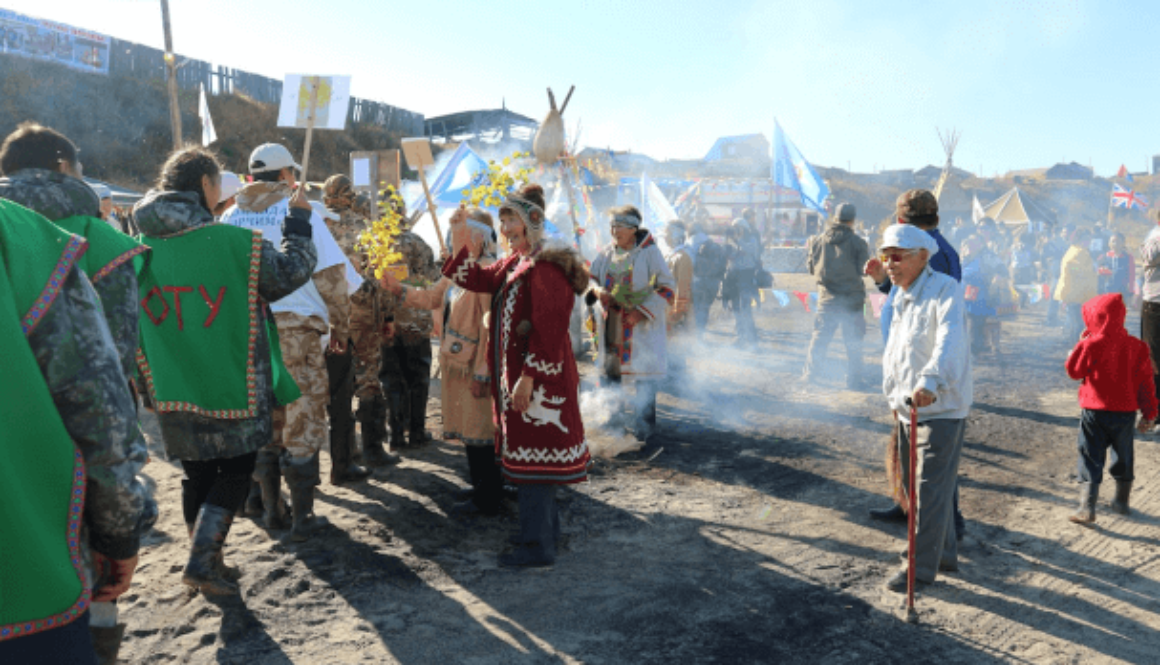
Lippo 2018: okupljanje SSF-ova u Finskoj i Švedskoj
Lippo 2018: Festival sjevernih ribarskih tradicija koji okuplja male komercijalne ribare iz cijelog svijeta
6.-8. rujna u Torniu, Finska
Cilj događaja je razmjena iskustava i rasprava o budućnosti tradicionalnog komercijalnog ribolova, između ostalog, o poznavanju i upravljanju ribljim zalihama te važnosti tradicionalne ribarske baštine. Delegacije iz cijelog svijeta sudjelovat će na skupu, obogaćujući raspravu svojim vrijednostima i različitim kulturnim i okolišnim pozadinama. Sudionici će imati priliku saznati više o posebnim karakteristikama brzaka rijeke Torne i upoznati lokalne ribarske zajednice.
Lokacija i smještaj
 Festival će se održati s obje strane rijeke Torne, prelazak granica, npr. u gradovima Haparanda (Švedska) i Tornio (Finska). Konferencija će se održati u petak, 7. rujna 2018. u Peräpohjolan Opisto (adresa: Kivirannantie 13 – 15, 05410 Tornio, Finska). Umrežavanje, razmjena informacija, proslave i različite aktivnosti vezane uz ribarsku kulturu održat će se na švedskoj i finskoj strani brzaka rijeke Kukkola. Smještaj je unaprijed rezerviran za međunarodne goste u Sverigefinska folkhögskola ili Park Hotelu.
Najbliže zračne luke su:
Zračna luka Kemi-Tornio (25 km od centra grada Tornio)
Zračna luka Oulu (130 km od Tornija)
Zračna luka Rovaniemi (130 km od Tornija)
Zračna luka Luleå (130 km od Tornija)
Preliminarni program
Dan 1, četvrtak, 6. rujna
Dolazak gostiju
Mogućnost posjeta izložbi “Siika ja meänmaa” u dolini Tornio
Muzej
Večernji program bit će naknadno najavljen
2. dan, petak, 7. rujna
8.10 Preuzimanje / Sverigefinska folkhögskola (imajte na umu da je ovo švedsko vrijeme)
9.20 Preuzimanje/parkiranje u hotelu (finsko vrijeme)
Konferencija o sjevernom ribarstvu, ribarskim tradicijama i njihovoj budućnosti
9.30 Registracija i kava, Peräpohjolan Opisto
10.00 Pozdravne riječi
Tero Mustonen, Snowchange Cooperative
Hannele Keränen, Laponsko sveučilište primijenjenih znanosti (TBC)
10.05 Uvodna riječ
Sven-Erik Bucht, ministar okoliša, Švedska (TBC)
10.15 Izjave državnih i drugih organizacija
10.45 Okrugli stol: Budućnost i perspektive malog i tradicionalnog ribarstva na sjeveru
Predsjedatelj: Tero Mustonen, zadruga Snowchange Svaki panelist imat će priliku govoriti 7 minuta Nakon izjava panelista, Plenarna sjednica bit će otvorena za pitanja, komentare i razmišljanja panelista i članova zasjedanja.
12.00 Ručak
13.45 Budućnost tradicionalnog ribarstva: Predstavljaju se delegati festivala: Rusija, Aljaska, Prvi narodi Kanade, SAD, UK, Sami, Finska, Novi Zeland, Tajvan
15.30 Pauza za kavu
16.00 Budućnost tradicionalnog ribarstva: Osvrt međunarodne znanstvene zajednice
16:45 Završetak i završetak seminara
Tero Mustonen, Snowchange Cooperative
17:00 Kraj konferencijskog dana
3. dan, subota, 8. rujna
9.00 Dolazak međunarodnih gostiju, Sverigefinska folkhögskola (po švedskom vremenu!)
10.10 Doček međunarodnih gostiju, Park hotel Tornio
10.30 Festival uz brzake rijeke Kukkolankoski, Finska
Uvod u tradicionalni ribolov u dolini Tornio
Tržnica bijele ribe
15:00 Polazak autobusom
18.00 Doček međunarodnih gostiju, Park hotel Tornio
17.10 Dolazak međunarodnog gosta, Sverigefinska folkhögskola (po švedskom vremenu)
18.30 Večernje druženje na švedskoj strani brzaka rijeke Kukkolankoski
Pozadinske informacije
 Prvi međunarodni ribarski festival održan je 2014. godine na temelju ideje komercijalnog ribara Ollija Klemole (Pälkäne, Finska), koji je osjetio potrebu za izravnijom razmjenom informacija između ribarskih regija i zajednica. Članovi LIFE-a, Snowchange Cooperative (www.snowchange.org) koordiniraju događaj od tada.
Drugi festival održan je u rujnu 2016. u Zigansku, na rijeci Leni, u Jakutiji, u Sibiru, i okupio je više od 100 profesionalnih ribara iz različitih zemalja.
Izdanje za 2018. godinu održat će se u dolini rijeke Tornio, području gdje su se lokalni ribari posljednjih godina duboko zabrinjavali zbog najnovijih promjena u populaciji bijele ribe: potonja se u rijeci pojavljuje gotovo mjesec dana kasnije u usporedbi s prije 30 godina, a i njezina je veličina znatno manja. Kako bi se suočila s ovim problemom, ribarska zajednica odlučila je poduzeti mjere i pokrenuti projekt jačanja populacije bijele ribe. Krajem 2015. godine odabrana su i financirana dva različita projekta usmjerena na „Ljetnu bijelu ribu u dolini Tornio“ od strane programa Interreg North (Europski fond za regionalni razvoj). Jedan od ciljeva u okviru ovih projekata je jačanje atraktivnosti jedinstvene tradicionalne ribarske kulture doline Tornio i poticanje boljeg i održivog upravljanja populacijom bijele ribe u rijeci Torne. Tijekom prvih mjeseci, projekti su organizirali „zajednički simpozij o bijeloj ribi“ namijenjen finskim i švedskim istraživačima, ribarima i drugim dionicima, a privukao je više od 100 sudionika.
Godine 2017. događaj je okupio 250 sudionika, a kako bi se posljednji događaj organiziran u okviru projekta pretvorio u još veću proslavu, odlučili su udružiti snage sa zadrugom Snowchange.
Kako osigurati budućnost tradicionalnog ribolova?
Koncept uključuje daleko više sadržaja od samog ribara i ulova. Tradicionalni ribolov znači ručno izrađenu opremu, posebne građevine koje grade seljani, zgrade, brodove, egzistenciju cijelih zajednica.
Tradicionalno znanje ugrađeno u lokalno utemeljeno obrtničko, tradicionalno ili malo komercijalno ribarstvo često je staro stoljećima. Međutim, te tradicije izumiru ili su ugrožene.
Kako osigurati dobrobit ribljeg fonda?
 Podržavaju li trenutni propisi održivi ribolov ili su prepreka tradicionalnim praksama? Kako se brine o rijekama i jezerima? Što znanost predlaže kao najbolje prakse u upravljanju ribljim fondom? Kako bolje osigurati uključivanje ribara u zaštitu i upravljanje ribarstvom? Koja je uloga zajednice i postoje li metode za usporedbu? Ova i mnoga druga pitanja bit će raspravljena tijekom 3. Festival sjevernih ribarskih tradicija i odgovoreno zahvaljujući kolektivnoj refleksiji i zajedničkom radu.