
LIFE poziva na uključivi plavi rast
LIFE poziva na uključivi plavi rast na konferenciji Naš ocean

Bruxelles, 16. listopada 2017.
Brian O'Riordan, zamjenik direktora Udruge ribara s niskim utjecajem na okoliš u Europi (LIFE) pozdravio je inicijativu FAO-a o plavom rastu, koja je u središte stavila malo ribarstvo. To je bilo u suprotnosti s pristupom Europske komisije koji je razlikovao plavo gospodarstvo, koje je uključivalo sve elemente pomorskog gospodarstva, i plavi rast. Potonji se usredotočio na odabrane gospodarske sektore za koje se smatralo da imaju potencijal za rast, isključujući one koji se smatraju da imaju ograničen potencijal. Smatrao je da se pri oblikovanju strategija plavog rasta veći naglasak mora staviti na održivi razvoj plavog gospodarstva, izgrađenog na tri stupa održivog razvoja: ekonomskom, ekološkom i društvenom. Plavo gospodarstvo trebalo bi funkcionirati za sve pomorske sektore, a ne samo za neke.
Tijekom posljednjih 35 godina, Europska komisija je zanemarivala mali ribolov i isključivala ga iz procesa donošenja politika u Europi. U stvari, sektor malog ribolova – koji koristi plovila kraća od 12 metara i nevučene alate – postao je “zaboravljena flota”. Mogućnosti koje je pružio “proces Zelene knjige” 2009. za reviziju europske Zajedničke ribarstvene politike (ZRP) potaknule su skupinu ribara da 2012. godine pokrenu program LIFE uoči nove ZRP.
U Europi, analiza Znanstvenog, tehničkog i gospodarskog odbora za ribarstvo (STECF), službenog savjetodavnog tijela Europske komisije, ističe da europska flota malog ribolova čini 821 TP3T ukupne flote po broju i 741 TP3T aktivnih plovila, oko 81 TP3T bruto registrirane tonaže, koristi 71 TP3T goriva i iskrcava 51 TP3T ulova po težini i 121 TP3T po vrijednosti. Ova većina flote osigurava 511 TP3T radnih mjesta i s 651 TP3T BDV-a/prihoda ima najveću bruto dodanu vrijednost kao postotak prihoda (službena infografika EK: https://ec.europa.eu/fisheries/sites/fisheries/files/docs/publications/2016-small-scale-coastal-fleet_en.pdf). Međutim, zarade i plaće su niske, dijelom zato što flota nema pristup dovoljnoj kvoti, pa se mora osloniti na vrste izvan kvote.
Nedosljedno je da malo ribarstvo, sa svojim inherentnim potencijalom za dodanu vrijednost i povećanje zarade te sinergijama s turizmom, treba isključiti iz europskih strategija plavog rasta, dok je akvakultura uključena. Tijekom posljednjih 10 godina, proizvodnja akvakulture u Europi stagnirala je, bilježeći pad i do 20%. Ipak, uključena je u sektor “rasta” i, prema riječima direktora za pomorsku politiku i plavo gospodarstvo DG Mare, za razvoj zahtijeva “poslovnu sigurnost, jednostavne administrativne postupke i odgovarajući prostor”.
Pogrešno je prepoznati da akvakultura zahtijeva prostor za razvoj, a istovremeno previdjeti činjenicu da s sličnim namjenskim prostorom i politikama, mali ribolov također ima značajan potencijal za rast, stvaranje radnih mjesta i doprinos lokalnim gospodarstvima.
Prostorno planiranje mora (PMP) alat je s velikim potencijalom za osiguranje produktivnih ribolovnih područja za male ribare i za osiguravanje da drugi interesi koji se natječu za oceanski prostor ne zadiraju u ta područja. Diljem Europe postoje i dobri i loši primjeri korištenja PMP-a za favoriziranje ili diskriminaciju malog ribarstva. U slučaju Malte, postoje ambiciozni planovi za uspostavu zaštićenih morskih područja (MPA) u okviru europskog programa Natura 2000. Znanstvenici su identificirali područja Natura 2000 unutar zone od 3 milje, koja zauzimaju preko 40% ribolovnih područja malog ribarstva. Mali ribari nisu konzultirani o tome i bit će isključeni iz ribolova u tim područjima. Ironično, ta su područja odabrana zbog svog “dobrog stanja okoliša”, što bi značilo da stoljetne ribolovne aktivnosti koje su koristile ta područja imaju mali utjecaj i nadopunjuju ciljeve očuvanja.
Prema pravu EU, ova posebna područja zaštite moraju se baviti očuvanjem vrsta i staništa zajedno s postojećim društvenim i gospodarskim aktivnostima, uključujući ribarstvo.
U Kataloniji vlada donosi uredbu kojom će se zakonski urediti zajedničko upravljanje ribarstvom, stavljajući ribare u središte upravljanja. To će ribarima omogućiti ne samo da imaju utjecaja na način upravljanja ribarstvom, već i da se osigura da se njihovi glasovi čuju kada je u pitanju dodjela oceanskog prostora za druge aktivnosti.
Vrijeme je da donositelji odluka prepoznaju važnost ribolova za lokalna i nacionalna gospodarstva te potencijal ribolova za osiguravanje održivih radnih mjesta, opskrbe hranom i sredstava za život, ako se pravilno razvija i upravlja.
♦ ♦ ♦
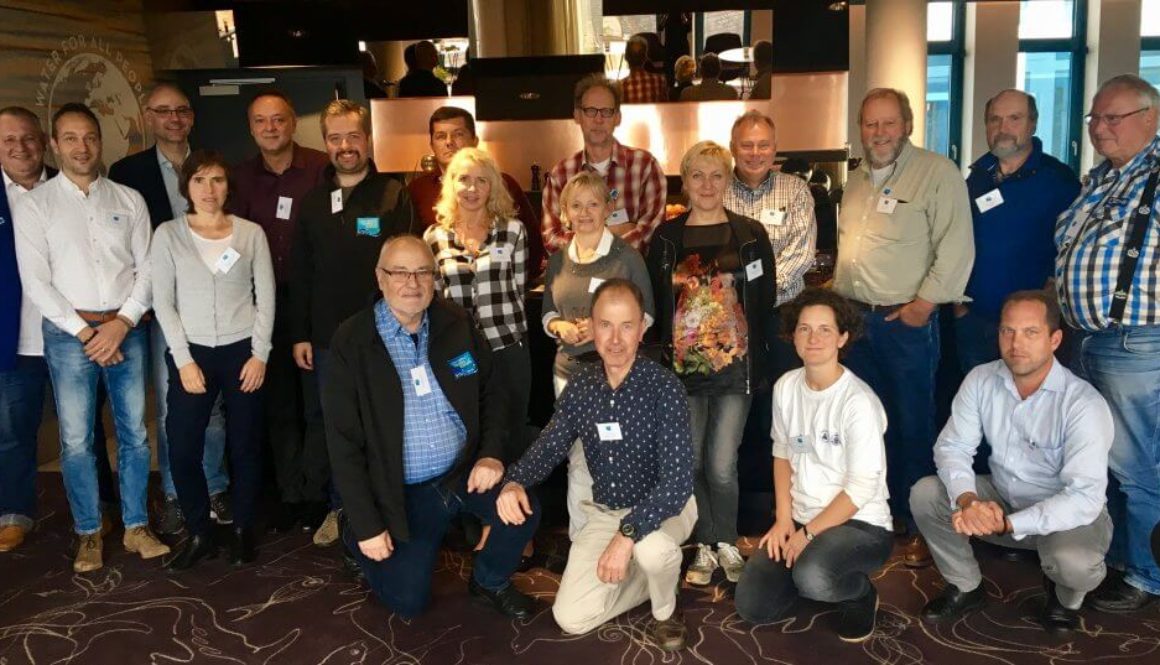
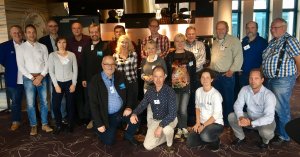 Kao što je naglasio Wolfgang Albrect iz Fischereischutzverbanda Schleswig-Holsteina u Njemačkoj, nedavno izabran u Izvršni odbor Baltičkog klimatskog vijeća (BSAC). “Stvari izgledaju dobro u teoriji, ali u praksi je vrlo važno da aktivni ribari budu prisutni u savjetovalištima. To zahtijeva znatan trud, kako za pripremu za sastanke, tako i za osobno prisustvovanje. Kao ribar, morate razmisliti je li važnije provesti 2 dana u ribolovu ili biti u savjetovalištima kako biste pokušali uloviti više ribe u moru. Prošli smo prve prepreke, nogom smo na vratima, ali trebamo više ribara za stolom.”
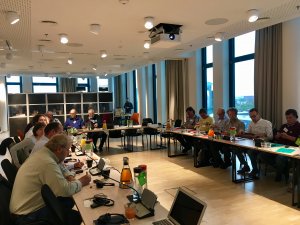 Također je napomenuto da je do sada CFP-u “nedostajalo lokalnih korijena” te je preporučeno da SSF formira saveze s lokalnim općinama kako bi promovirao “kvalitetu iznad kvantitete” i osigurao da male luke ostanu otvorene. Istaknuta je važnost malog ribarskog sektora u osiguravanju lokalnih radnih mjesta i lokalne opskrbe kvalitetnom svježom ribom., u usporedbi s osiguravanjem velikih količina ribe za prerađivačku industriju. “U Baltičkom moru jednostavno nema dovoljno bakalara da bi se zadovoljile potrebe prerađivača, niti dovoljno ribe da bi se podržala industrija ribljeg brašna. Veći naglasak treba staviti na opskrbu malih količina visokokvalitetne ribe lokalnim potrošačima, turistima i restoranima.”.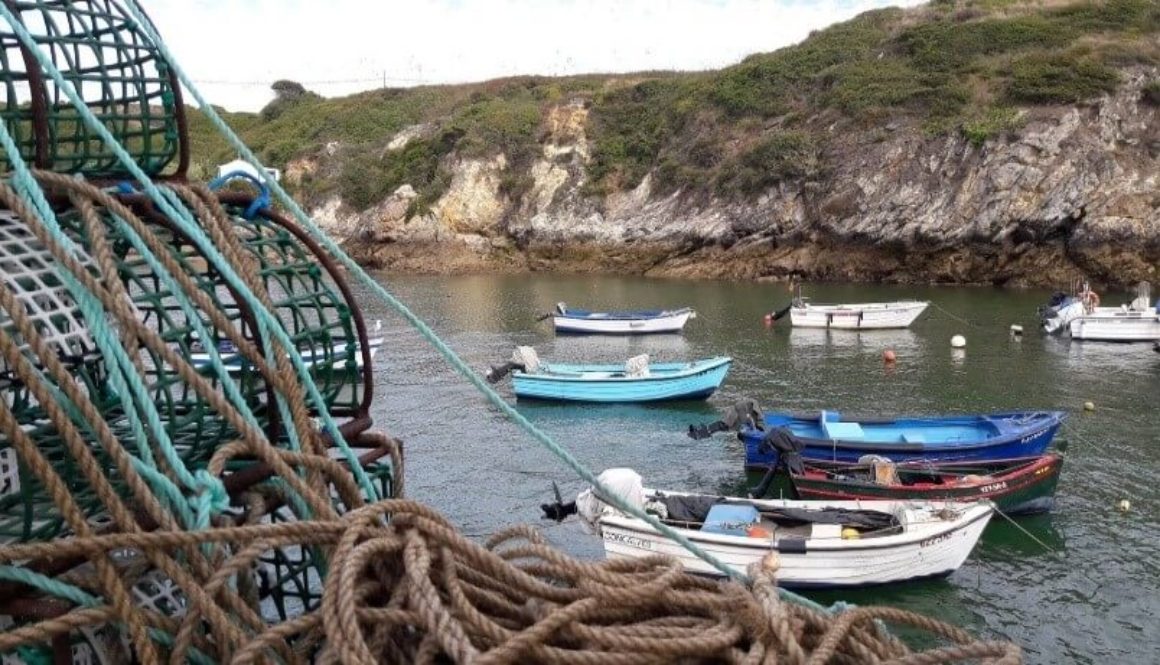
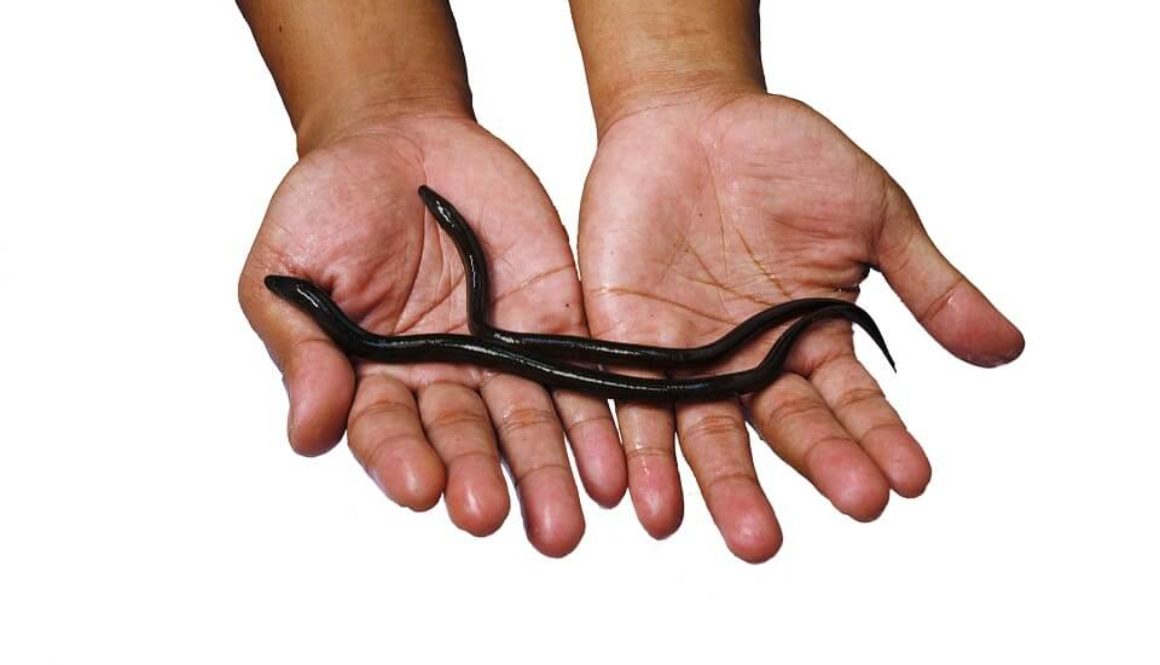
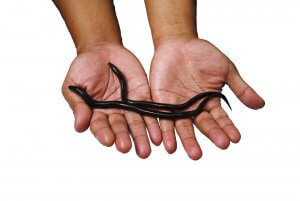
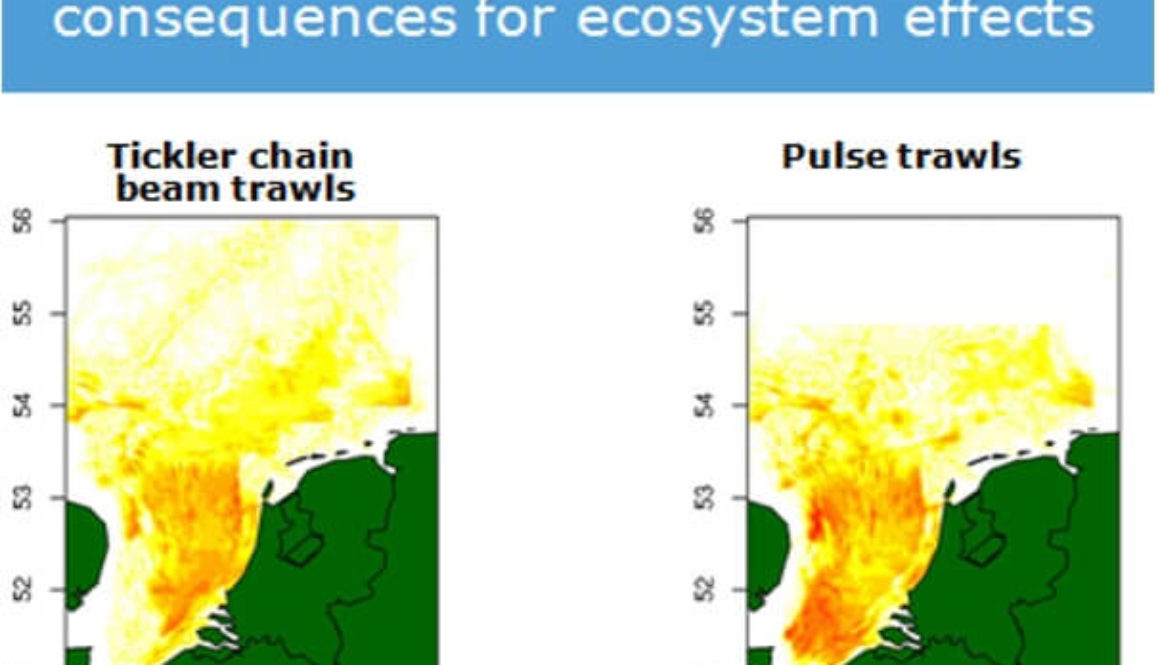
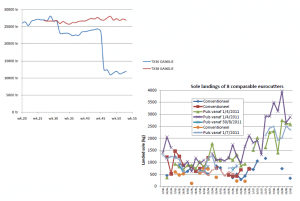
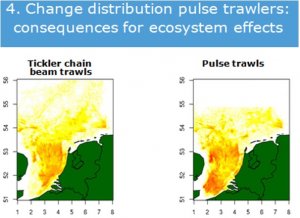
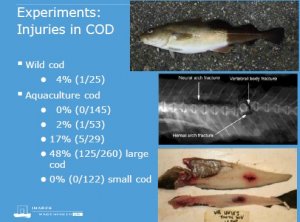




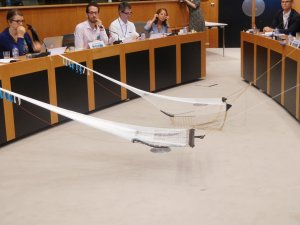 Mali obalni ribari koji koriste fiksne alate zabrinuti su da se, zahvaljujući pulsirajućoj tehnologiji, napor koćarenja s gredom sada mijenja. u osjetljivija i ekološki krhka područja, gdje utjecaj prekomjernog izlova i električnih impulsa na morsku faunu i povezana staništa ugrožava njihove aktivnosti. Dopuštanje zadiranja koćarstva električnim impulsima u ta priobalna područja bez ikakvog učinkovitog regulatornog i kontrolnog okvira suprotno je svakom pristupu upravljanju ribarstvom koji je utemeljen na oprezu ili ekosustavima.
 Ricardo Serrao Santos skrenuo je pozornost na etičko pitanje dobrobiti riba i istaknuo da inovacija može biti oboje Dr. Jekyll i gospodin Hyde. Inovacija je bila mač s dvije oštrice koji je bio i uzrok i potencijalno rješenje klimatskih promjena, zagađenja, zakiseljavanja oceana i plastičnog otpada.