Ulov dana – veljača 2026.
Vijesti o poštenom ribarstvu, zdravim morima i živahnim ribarskim zajednicama
3/2 Konferencija EU o plavoj ekonomiji
Brian O'Riordan, savjetnik za politiku LIFE-a, moderirao je sesiju o ribarstvu i akvakulturi na Europska konferencija o plavoj ekonomiji, koji je okupio dužnosnike Europske komisije, nevladine organizacije, predstavnike industrije i lučke vlasti kako bi raspravljali o budućnosti europske plave ekonomije. Događaj je pružio korisnu priliku za podizanje profila LIFE-a, isticanje važnosti ribarstva malog obima u razvijajućoj se agendi plave ekonomije te vođenje rasprave o pitanjima ključne važnosti za ribarstvo. Snimka dostupna ovdje.
9/2 Poziv na dostavu dokaza o Zakonu o oceanima
ŽIVOT je pružio svoje doprinos Pozivu na dostavu dokaza Europske komisije o nadolazećem Europskom zakonu o oceanima . Zakon o oceanu nadovezuje se na Europski pakt o oceanu i osigurat će sveobuhvatan pravni okvir za poboljšanje koherentnosti i učinkovite provedbe pomorskog upravljanja u EU. Očekuje se da će biti usvojen 2026. godine. U svom podnesku LIFE poziva da se mali ribolov (SSF) u potpunosti integrira u srž pomorskog upravljanja EU, u priznanju njihove ključne uloge u podršci obalnim zajednicama, očuvanju morskih ekosustava te promicanju društvenih, okolišnih i klimatskih ciljeva.
Predloženi Zakon o oceanu ima za cilj poboljšati koherentnost politika EU vezanih uz oceane, nadograditi reviziju Direktive o pomorskom prostornom planiranju (Direktiva 2014/89/EU), ojačati upravljanje Europskim sustavom za opažanje oceana i pojednostaviti zahtjeve za izvještavanje kako bi se smanjila administrativna opterećenja.
Istovremeno, Europska komisija je Poziv na podnošenje prijava za Visoku razinu Europskog odbora za oceane, nova stručna skupina osnovana u okviru Europskog oceanskog pakta. Poziv za prijave otvoren je četiri tjedna, nudeći profesionalcima i organizacijama priliku da pomognu oblikovati budućnost upravljanja oceanima, na što se LIFE želi prijaviti.
16/2 CINEA događaj “Povratne informacije za politiku”
LIFE je sudjelovao na CINEA-inoj radionici “Feedback to Policy” o energetskoj tranziciji ribarskog sektora i pomorskoj dekarbonizaciji, i to kao Svjetlucanje mora kao partner konzorcija i koordinator Grupe za podršku malom obalnom ribarstvu unutar Partnerstva za energetsku tranziciju. Radionica je okupila donositelje politika EU-a i istraživačke projekte kako bi osigurala da pouke iz pilot-projekata, iz perspektive ribarstva i pomorskog prijevoza, oblikuju buduće istraživačke prioritete te regulatorne i financijske okvire.
Seaglow je pridonio raspravama o dekarbonizaciji ribarstva., ističući potrebu za povezivanjem tehnoloških inovacija s operativnim stvarnostima na moru, uključivanjem malih ribara i pružanjem jasnih, koherentnih mehanizama podrške koji omogućuju usvajanje alternativnih energetskih rješenja.
17/2 Konferencija na visokoj razini o energetskoj tranziciji

Izvršna tajnica LIFE-a Marta Cavallé bila je panelistica na Konferencija na visokoj razini “Snalaženje u promjenama: prema energetskoj tranziciji u EU”, koji je okupio donositelje politika, predstavnike sektora i dionike iz industrije kako bi raspravljali o strateškom smjeru energetske tranzicije u ribarstvu i akvakulturi. Događaj je pružio priliku za predstavljanje nedavno objavljene sektorske preporuke SSF-a i zajednička razmatranja Partnerstva za energetsku tranziciju, iznošenje ključnih prijedloga za podršku malim ribarstvima u procesu tranzicije.
Govoreći u svojstvu koordinatorice Podpornog odbora Partnerstva za energetsku tranziciju za mali obalni ribolov, Marta je doprinijela panel raspravama ističući kako je mali obalni ribolov već na čelu energetske tranzicije zbog svog niskog ugljičnog otiska. Naglasila je da je za potpunu dekarbonizaciju potrebno prethodno donijeti specifične politike, poput obvezujućeg Plana djelovanja za podršku malim obalnim ribarstvima u Europi, kako bi se osigurala potrebna sigurnost za svjetliju i održivu budućnost sektora, te potrebu prioritiziranja javnog financiranja za mala obalna ribarstva (koje je namjenski osigurano, značajno i prilagođeno njima). Bez tih uvjeta energetska tranzicija za mala obalna ribarstva možda se neće dogoditi i ona bi mogla biti zapostavljena.
Konferencija je uključivala intervencije na visokoj razini povjerenika EU-a Costasa Kadisa, ministrice Marije Panayiotou u ime predsjedanja Vijećem, ministra Timmyja Dooleyja u ime predstojećeg predsjedanja te glavne direktorice DG MARE Charline Vitcheve.
09/2 Skořup iz Norrlanda dobiva oznaku kvalitete EU Zaštićena oznaka izvornosti (ZOI).
Sardela iz Norrlanda (Norrlandsströmming) dobila je status zaštićene oznake izvornosti (PDO) u EU. Prijavu su pokrenuli članovi LIFE-a Kustfiskarna Bottenhavet, koji predstavljaju male obalne ribare duž sjeverne švedske baltičke obale.
Naziv se odnosi na haringu ulovljenu u Bothnijskom moru i Bothnijskom zaljevu. Da bi se riba mogla nazvati Norrlandsströmming, mora biti ulovljena pasivnim ribolovnim alatima i iskrcana u roku od 24 sata, čime se osigurava visoka kvaliteta i metoda ribolova s malim utjecajem, usko povezana s lokalnim obalnim tradicijama.
Za LIFE i njegove članove, to priznanje ističe vrijednost malih ribarstava koja kombiniraju selektivne ribolovne prakse, snažan regionalni identitet i visokokvalitetne morske plodove. Očekuje se da će novi status ojačati tržišno priznanje za lokalno ulovljenu baltičku haringu i podržati obalne ribarske zajednice u sjevernoj Švedskoj.
25/2 sastanak Odbora PECH
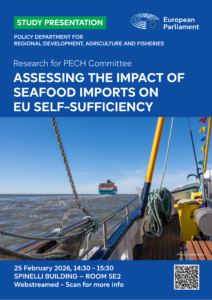 LIFE je prisustvovao veljačkom sastanku Odbora za ribarstvo i pomorske poslove Europskog parlamenta, gdje je studija o Procjena utjecaja uvoza morskih plodova na samodostatnost EU je predstavljen. Studija ističe značajnu ulogu uvoza u zadovoljavanju potražnje potrošača za morskim plodovima u EU. Ako se izuzmu izvozi, domaća proizvodnja u EU pokriva samo 14,21 % ukupne potrošnje morskih plodova, što znači da uvoz osigurava više od 80 % onoga što Europljani jedu. Izvješće ispituje kako uvoz morskih plodova utječe na sposobnost EU-a da zadovolji vlastitu potražnju, uspoređujući troškove proizvodnje, konkurentnost i inovativnost između proizvođača iz EU-a i onih izvan EU-a. Također istražuje opcije politika za jačanje otpornosti sektora morskih plodova EU-a u skladu s Europskim zelenim sporazumom i strategijom Od farme do stola. Tijekom rasprave iznesene su i zabrinutosti oko uporabe ribe za preradu u riblje brašno i riblje ulje umjesto davanja prednosti izravnoj ljudskoj prehrani, osobito u kontekstu Baltičkog mora.
Odbor je također održao razmjenu s Europskom komisijom o provedbi revidirane Uredbe o kontroli ribarstva, čije su neke odredbe stupile na snagu u siječnju 2026., dok će druge stupiti na snagu postupno. Nekoliko zastupnika u Europskom parlamentu iz različitih političkih skupina izrazilo je zabrinutost zbog praktične usklađenosti malih ribarstava, ističući mjere koje se na terenu mogu pokazati neizvedivima, poput obveze četverosatne prethodne obavijesti prije povratka u luku. Iako je Komisija pokazala ograničen interes za ponovno otvaranje zakonodavstva, potaknula je korištenje fleksibilnosti unutar postojećeg pravnog okvira. Raspravljalo se i o pitanjima digitalnog suvereniteta, osobito u vezi s podacima o ribarstvu pohranjenima u oblačnim sustavima registriranima u trećim zemljama.
25/2 Sastanak radne skupine RoundGoby o razvoju proizvoda
LIFE je partner u projektu RoundGoby, inicijativi koja nastoji pretvoriti ekološki izazov u priliku za obalne zajednice. Projekt se usredotočuje na okruglog gobija, invazivnu vrstu porijeklom iz Crnoga mora, koja se tradicionalno smatrala problematičnim usputnim ulovom s malom komercijalnom vrijednošću. Kroz inovacije i suradnju partneri nastoje razviti održiva tržišta i otvoriti nove izvore prihoda za male ribare.
Dana 25. veljače, SUBMARINER mreža za plavi rast je ugostila Sastanak radne skupine RoundGoby o razvoju proizvoda. Radionica je predstavila pilot-rezultate iz Švedske, Estonije i Litve, istražila mogućnosti razvoja okruglog gobija u inovativne proizvode za ljudsku prehranu i hranu za kućne ljubimce te ispitala kako bi dodana vrijednost mogla izravno podržati malu obalnu ribarstvo.
26/2 Od politike do prakse: Zašto je provedba važna za mediteranski ribolov
LIFE je, zajedno s MedSea Allianceom, ClientEarthom, Oceanom i Seas At Riskom, pridonio objavi jednog novi video s iskazima malih ribara s Cipra, iz Francuske i Španjolske. To Središnja poruka je nedvosmislena: Teškoće s kojima se suočava mediteranska ribarstvo niske utjecajnosti proizlaze manje iz same strukture Zajedničke ribarčke politike (ZRP), a više iz nedostataka u njezinoj primjeni i provedbi.
U videu ribari govore o smanjenju zaliha ribe, rastućem ribolovnom pritisku, ograničenom pristupu kvotama i nedovoljno provedenim zaštitama unutar morskih zaštićenih područja. Njihovi iskazi ilustriraju praktične izazove s kojima se suočavaju na moru i u obalnim zajednicama. Zajednička ribarstvena politika (CFP) već osigurava mehanizme za obnovu stokova, pravedniju raspodjelu resursa i podršku otpornim obalnim sredstvima za život. Kako politika ulazi u razdoblje preispitivanja, ovi izravni uvidi nude čvrste dokaze da trenutna kriza u mediteranskom malom ribarstvu odražava praznine u provedbi na razini država članica, a ne nedostatke u izvornom dizajnu politike.
Slijedi:
2-6/3 Bruxelles – Europski dani oceana 2026Organizirano od strane DG MARE-a u Bruxellesu, događanje se sastojalo od tjedan dana sesija koje su se bavile nizom pitanja relevantnih za ribarstvo malog obima, uključujući Viziju 2040, nadolazeću Strategiju za otoke i razvoj u sklopu inicijative Misija Ocean.
9/3 Rok Europske komisije konzultacije o nadolazećoj reviziji Okvirne direktive o morskoj strategiji.
10.03 Europska komisija: rok za Poziv za podnošenje prijava za Europski oceanijski odbor
11-12/3 Sjevernoeuropski summit o morskim plodovima
16. – 17. ožujka sastanak Odbora PECH u Europskom parlamentu
23/3 Europska komisija: rok Poziv na dostavu dokaza o strategiji EU za obalne zajednice
23/3 Europska komisija: rok Poziv na dostavu dokaza o Viziji 2040
30/3 Vijeće AGRIFISH
Novinarski kutak:
Fiskerforum: Tržišta reagiraju na propast skuše
Festival zanatskog ribolova, koji organizira udruga Pleine Mer, tmjesto u luci Brest, Bretanja, 6. veljače 2026.
Zajednički ulov Pokrenuti shemu certificiranja malih ribarstava
FiskerForum: povećanje uloga e-trgovine i umjetne inteligencije 2026.
Pravilnik o kontroli je guše europske ribare