Ulov dana – listopad 2026.
Vijesti o poštenom ribarstvu, zdravim morima i živahnim ribarskim zajednicama
20/10 LIFE Welcomes the EC Vision 2040’s Recognition of Small-Scale Fisheries
The European Commission unveiled its Vision 2040 for fisheries and aquaculture, establishing a 15-year framework for the sector to transition to a more resilient, sustainable and competitive future.
On the basis of its “Rethinking Fisheries” vision, promoted with partner Seas At Risk (SAR) and a group of multistakeholder experts, LIFE welcomes the Commission’s explicit commitment to a fair transition toward low-impact, climate-neutral activities, viewing it as an encouraging step towards a supportive framework for small-scale coastal fishers. LIFE has analysed the document and provided its views, urging decision-makers to now translate visionary projections into enforceable, tangible outcomes that coastal communities can rely on at sea.
In particular, LIFE welcomes the direct support announced for small-scale fishers in the upcoming Ocean Act and the announcement of a Blue Generational Renewal Strategy in 2027.
Crucially, omitting any need to reform the CFP in the Vision is positive news. LIFE hopes this will be reflected in the upcoming publication of the Commission’s work programme 2027, where the focus should be on delivering a robust CFP implementation and enforcement plan. Without this, the EC’s Vision 2040 risks remaining well-intentioned rhetoric that changes little on the water.
12-13/10 A New Generation Steps Forward with the LIFE Youth Network Launch
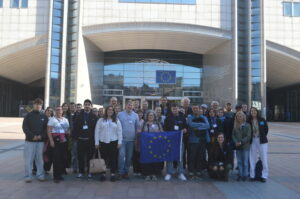
Young fishers and community advocates gathered in Brussels to launch the Low Impact Fishers of Europe (LIFE) Youth Network. The Make Fishing Fair Youth Summit, organised in cooperation with Blue Ventures under the Make Fishing Fair Campaign, brought together 20 young representatives from nine European countries alongside experienced mentors to demand a stronger voice in shaping the future of low-impact fishing.
The Low Impact Fishers of Europe (LIFE) Youth Network aims to unite young fishers and fishing community members to organise and shape the future of small-scale fisheries, ensuring that the next generation has a real voice in decisions shaping our seas, livelihoods and coastal communities, rather than simply inheriting decisions made by previous generations.
The delegates presented a number of key demands directly to high-level EU policymakers, including European Commission Director-General Charlina Vitcheva, who addressed the summit on Behalf of DG Mare, with a special attention being given to fairer fisheries policies. The core demands were the following, and the complete Poziv na akciju was sent to representatives of all European Institutions:
- A Legally Binding EU Action Plan: Enforceable safeguards for small-scale fishers within upcoming legislation like the Ocean Act.
- A Permanent Seat at the Table: Direct formal and meaningful representation for young fishers in European decision-making bodies.
MEPs Isabella Lövin (the Greens) and Luke Ming Flanagan (the Left) expressed strong support for youth leadership and small-scale operators, and facilitated a visit of the delegation to the Public Hearing in the European Parliament on “”Stepping up the EU’s support to small-scale fisheries” organised by the PECH Committee.
13/10 One Year On: LIFE members assess progress on Article 17 in Brussels
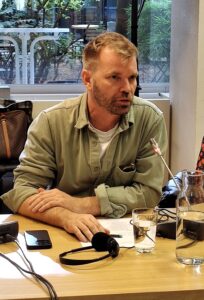
LIFE representatives Gwen Pennarun (France), Sandra Amezaga Menendez (Spain), Séamus Bonner (Ireland), and David Lange (Denmark) and LIFE staff met with DG MARE and national fisheries attachés at a Round Table event to assess progress on how EU Member States distribute fishing quotas and Article 17 implementation.
The Roundtable was organised jointly with Oceana, marking one year since the European Commission published its Priručnik guidance on Article 17 of the Common Fisheries Policy (CFP). Article 17 requires countries to use transparent social, environmental, and economic criteria when allocating fishing opportunities (quotas etc.) to incentivize low-impact practices.
Participants assessed national challenges and progress, highlighting the Danish model as a standout best practice for supporting sustainable coastal fleets. LIFE members emphasized that translating the EU guidance of the Vademecum into concrete national action across all Member States remains urgent to protect marine ecosystems and coastal livelihoods.
The legal mandate exists (in Article 17) and the Vademecum reminds us about the spirit of the law: ‘that Member States should promote responsible fishing by providing incentives to those operators who fish in the least environmentally damaging way and who provide the greatest benefits for society” (Recital 33).
20/10 LIFE Opposes Proposed Definition Changes Ahead of Key EU Vote
The EPP parliamentary group is proposing to amend the definition of Small-scale Coastal Fishing (SSCF) in the next EU budget (MFF 2028-34). This will be put to a preliminary vote over the coming period (ahead of a Plenary vote at a later stage), being contained in the PECH Committee response to the EC proposal (Procedure 2025/0235(COD), Rapporteur Niclas Herbst). The definition proposed is taken from the Recommendation 25-04 of the International Commission for the Conservation of Atlantic Tuna (ICCAT), where small scale vessels must comply with 3 out of 5 criteria.
LIFE is vehemently opposed to this definitional change, which would open up a huge loophole for larger vessels using more impactful gear whilst marginalising genuine small-scale low impact operators.
LIFE argues that such a change would be detrimental to EU fishing policy, and has outlined its position in a formal open letter to MEPs. In the letter, LIFE and LIFE’s Youth Network urge European Parliamentarians to retain the existing definition and focus instead on making small-scale fisheries more viable, sustainable and resilient.
31/10 Wrap up of the Round-goby project
Between November 2023 and October 2026, LIFE served as a partner in the INTERREG Projekt RoundGoby. The initiative aimed to promote the commercial fishing of the round goby in the Baltic Sea, an invasive fish native to the Black Sea region that has spread throughout the Baltic Sea. By developing commercial fishing opportunities for round goby, and consumer awareness initiatives, the project sought to create new economic streams for local small-scale fishers while simultaneously relieving pressure on fragile Baltic marine ecosystems.
Along the way, round goby found its way onto many plates: from public tastings at Smaklabbet in Sweden and the project’s final event at the Tallinn FoodFair, to fine dining at the Michelin starred Restaurant Seafood Gastro in Stockholm and school meals in Kalmar. LIFE’s responsibilities mainly concerned the project’s work on business models for round goby, coordinating test fishing of new innovative gear for commercial fishing for Round Goby and the development of recommendations of best practice pursuing a dialogue with transboundary structures like the Baltic Sea Advisory Council or BaltFish.
The project has now officially drawn to a successful close. Over the past three years, the initiative demonstrated how targeted small-scale fishing can help manage invasive species populations while bringing low-impact, sustainable seafood options to consumer tables. The findings and market pathways established during the project offer a viable roadmap for coastal communities facing ecological changes in the Baltic region.
The project’s final event took place at the Tallinn FoodFair on 23–24 September, where LIFE joined the partners at the RoundGoby booth. Over two days, more than 4,000 portions of round goby were served to chefs, buyers, fishers and other visitors, including ceviche, patties, confit and canned spread.
With the conclusion of the project, the LIFE team would like to express a heartfelt thank you and farewell to Aksel Ydrén, who joined the LIFE staff to coordinate and lead these efforts. Aksel’s dedication and hard work were instrumental to the project’s success, and we wish him all the best in his future endeavors.
30/10 EU and Cyprus Authorities Meet Zygi Fishermen to Address Local Challenges
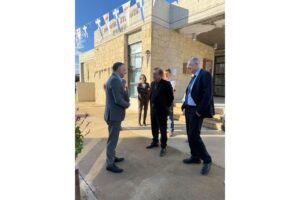
LIFE members from Zygi met with EU Fisheries Commissioner Costas Kadis and Cyprus national authorities to address pressing challenges facing their local association. In response to shrinking fishing grounds caused by regional developments (like the local Energy Center, located right in front of their port), national authorities announced that a targeted compensation package is in its final evaluation stage. Additionally, Commissioner Kadis highlighted that the European Commission is updating its Maritime Spatial Planning Directive, while also reviewing an extension of EU fuel and energy subsidies into 2027. Local fishing representatives welcomed the joint commitments from Nicosia and Brussels as vital to preserving their traditional coastal economy. LIFE will continue to support its members on the next steps.
Press coverage
Vision 2040
CFP reform
Make Fishing Fair Youth Summit
Zigy fishers meet with decision-makers
Slijedi
04/11 The Commission will publish its Work Programme for 2027 setting out the list of the most important new policy and legislative initiatives it will take in the year ahead.
9/11-10/11 Brussels – Sastanak odbora PECH
10/11 Brussels, European Parliament – OPMEGA Policy Event – “Recognising mussel farming value: New evidence on ecosystem services and sustainable aquaculture” (12:30 – 14:00 CET)
23/11 Brussels – Vijeće AGRIFISH
27/11 Brussels – the European Ocean Board, a high-level experts group set up by the European Commission to support the implementation of the Ocean Pact, will hold its second meeting. LIFE’s Executive Secretary Marta Cavallé will attend on behalf of the platform.
27/11 Deadline Consultation of Technical Measures Regulation
30/11 Brussels – Implementation Dialogue on the Landing Obligation (TBC).
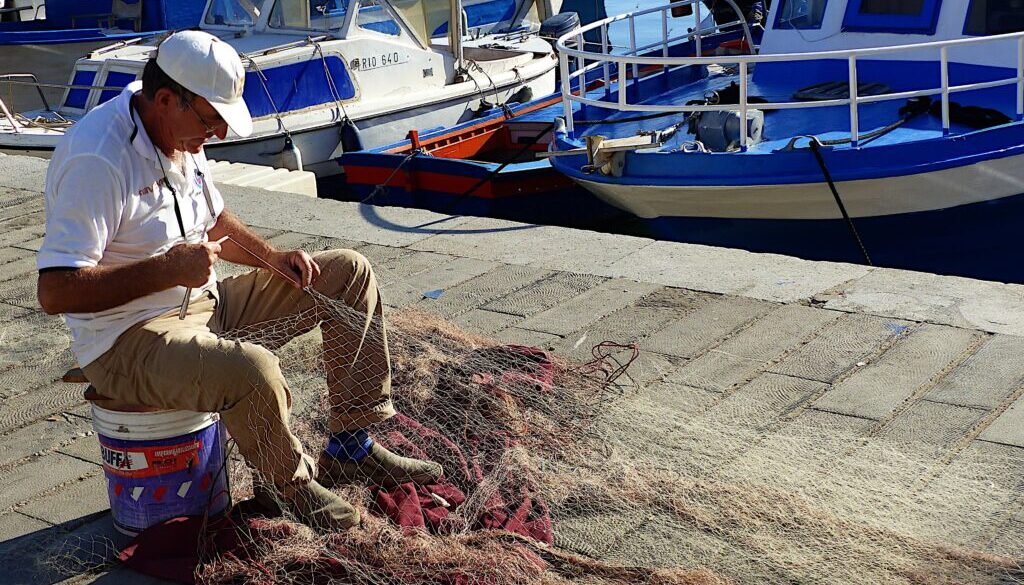
Cover image: Fisherman repairing a net on a sunny harbor quay, ©Rauschenberger